

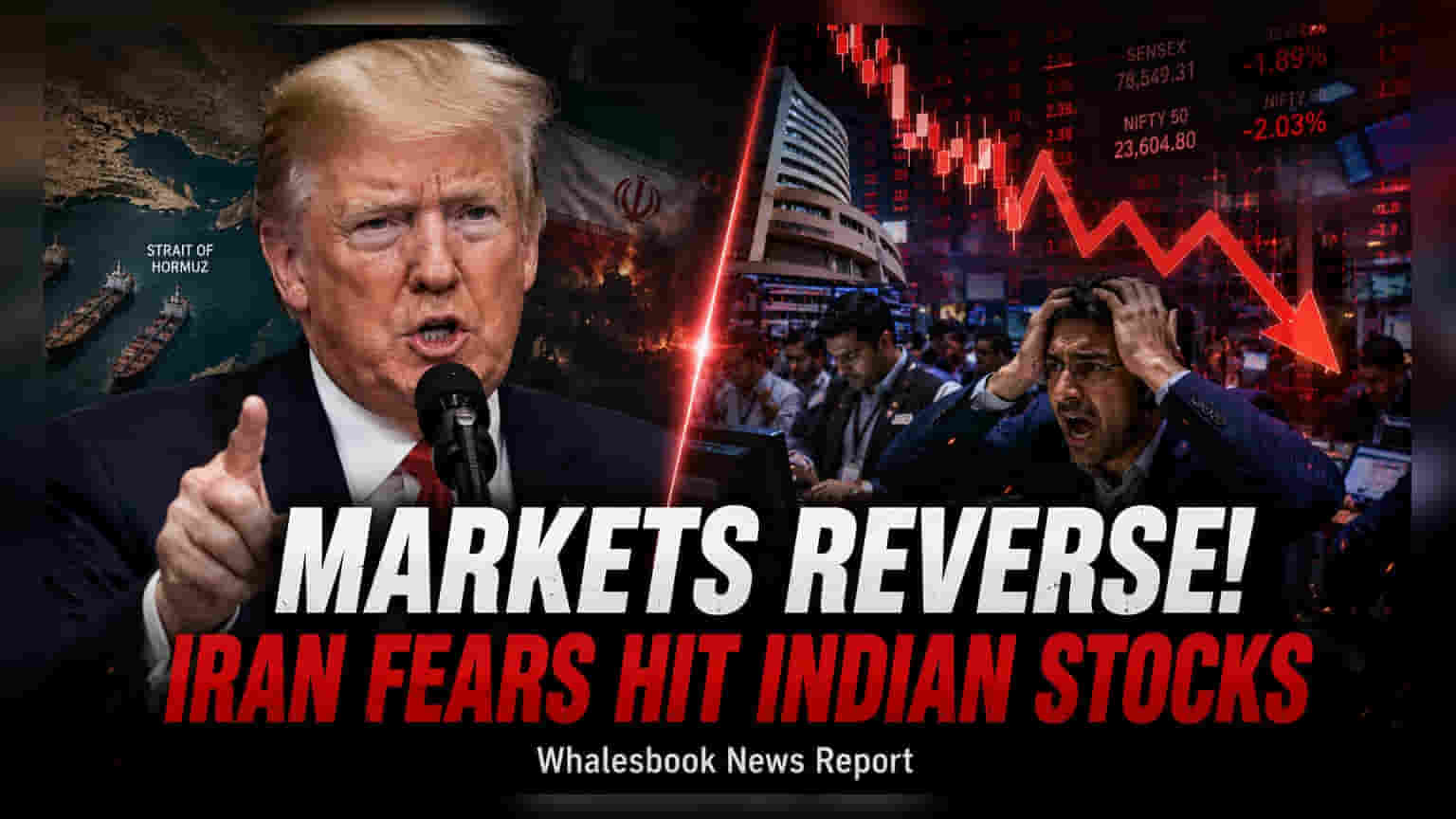
Indian equity markets surrendered early gains on Wednesday, August 5, 2026, as geopolitical anxiety and profit booking overshadowed initial optimism. While markets opened higher on falling crude oil prices and hopes for U.S.-Iran diplomatic talks, sentiment cooled amid uncertainty over the Strait of Hormuz and the RBI's decision to hold the repo rate at 5.25%.
Indian equity markets witnessed a volatile session on Wednesday, August 5, 2026, giving up significant early gains as investor caution returned. Both the BSE Sensex and NSE Nifty had opened on a strong note, with the Sensex surging to cross the 79,000 mark and the Nifty opening above 24,660. The initial optimism was driven by reports of potential diplomatic discussions between the U.S. and Iran regarding the Strait of Hormuz, alongside a welcome decline in Brent crude oil prices, which had slipped below $80 per barrel.
However, the positive momentum faded as the trading session progressed. Market sentiment turned defensive due to renewed geopolitical anxieties surrounding the Middle East. Remarks from U.S. President Donald Trump regarding the security of the Strait of Hormuz prompted investors to reassess risk, leading to profit booking at higher levels. This selling pressure was further complicated by technical resistance, as the indices struggled to sustain their climb past key levels.
The Reserve Bank of India’s (RBI) Monetary Policy Committee decision was another major event for the day, with the central bank choosing to keep the repo rate unchanged at 5.25%. While policy stability is often viewed as a signal of continuity, the market focus remained squarely on global macro pressures and the immediate impact of regional conflicts.
Sector-wise, the intraday movement was mixed. While pockets of buying interest were visible, other segments faced selling pressure as participants locked in profits from the morning’s surge. The volatility underscored the fragile nature of market sentiment in the current climate, where global headlines can rapidly shift the mood of traders.
Going forward, the path for Indian equities will likely depend on further developments in the Middle East, as energy prices and geopolitical stability remain critical to global trade. Investors will also be tracking whether domestic growth factors can outweigh the risks posed by inflation and potential shifts in global central bank policies. The persistence of these uncertainties suggests that market volatility may continue to be a defining feature in the near term.