 Whalesbook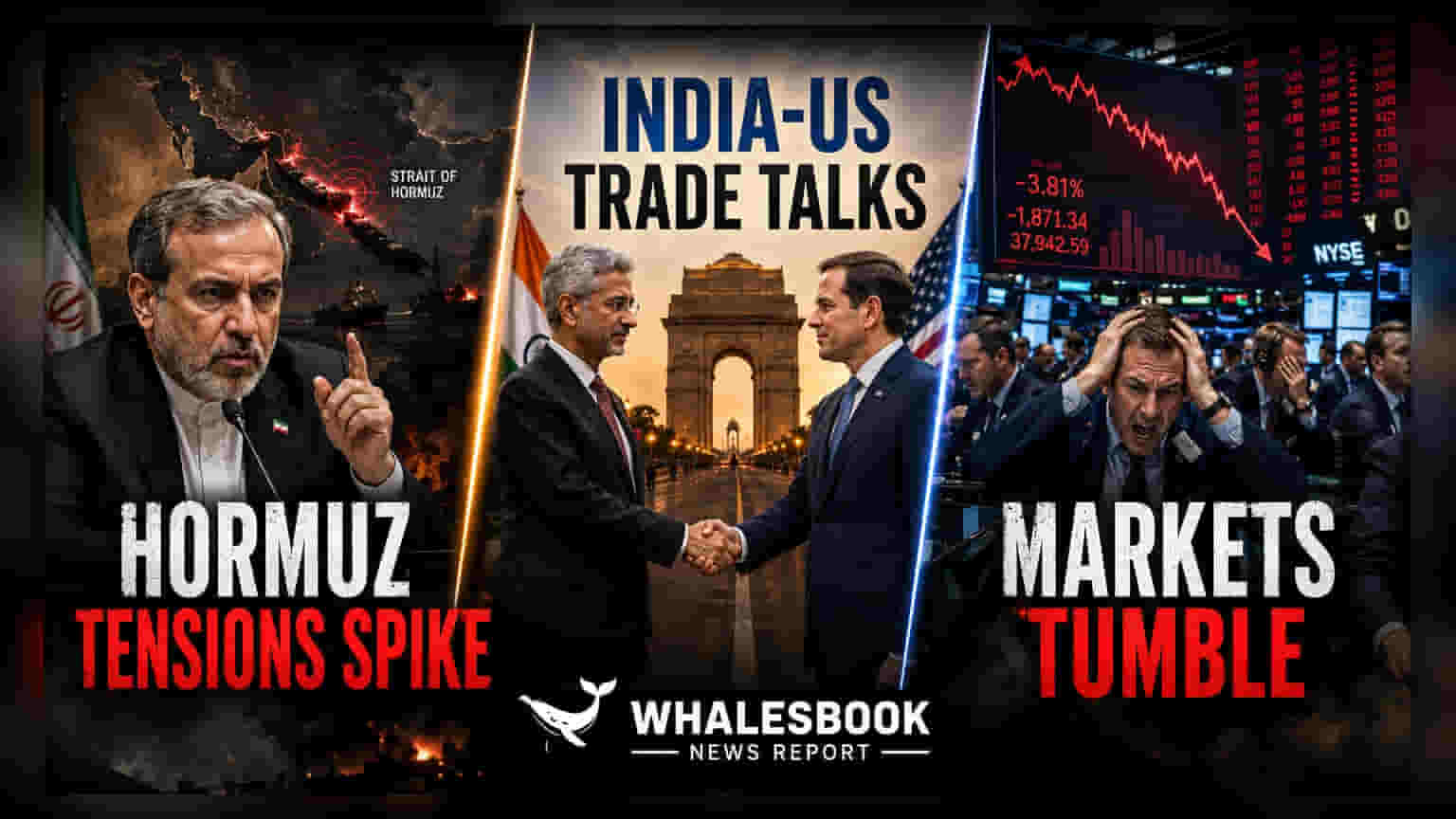


The Geopolitical and Macroeconomic Headwind
Indian equity markets faced significant selling pressure at the start of June, with the BSE Sensex and NSE Nifty 50 declining for the fourth consecutive session. The market narrative remains dominated by a "risk-off" sentiment, heavily influenced by escalating tensions between the United States and Iran. Concerns regarding potential disruptions in the Strait of Hormuz have pushed Brent crude oil prices above the $90 per barrel threshold, creating a negative feedback loop for India, which relies heavily on energy imports. This macroeconomic instability is further compounded by relentless foreign institutional investor (FII) outflows and a cautious outlook following the India Meteorological Department's below-normal monsoon forecast.
Industrial Production: A Divergent Data Point
While market indices stumbled, government data released on Monday offered a contrasting view of the domestic economy. India’s Index of Industrial Production (IIP) recorded a 4.9% growth rate in April 2026, based on a newly revamped series with a 2022-23 base year. The manufacturing sector emerged as a primary growth driver, expanding by 6.2%. Despite this industrial expansion, sector-specific data suggests a bifurcation in the economy; capital goods output surged by 16%, indicating robust investment-linked momentum, even as consumer demand—particularly for non-durables—remains noticeably muted.
Corporate Resilience Amid Market Drag
Automobile major Maruti Suzuki provided a rare bright spot despite the broader sectoral slump. The company reported its highest-ever monthly sales in May 2026, with total dispatches reaching 242,688 units, a 34.8% increase year-on-year. This record-breaking performance, supported by strong demand in the utility vehicle segment, highlights the resilience of top-tier consumer brands even as the Nifty Auto index faced selling pressure during the session. However, this individual strength was insufficient to offset the negative sentiment weighing on broader banking and auto indices.
The Tata Sons Listing Impasse
Governance and strategic debates continue to surround Tata Sons, the holding company for the Tata Group. The push for a potential public listing, driven by Reserve Bank of India (RBI) regulatory thresholds for upper-layer non-banking financial entities, remains mired in internal friction. Reports indicate that Tata Trusts Chairman Noel Tata has expressed formal opposition to a public listing, citing concerns that it could shift the group’s focus toward short-term stock market pressures, thereby jeopardizing its long-standing philanthropic mission. As the conglomerate prepares for board meetings in mid-June, the path toward a potential IPO remains uncertain, with proponents and detractors continuing to clash over the company's future identity.
The Future Outlook
Negotiations for an India-US interim trade agreement are currently in a high-stakes phase, with officials from both nations gathering in New Delhi to bridge the final gap in discussions. Commerce Minister Piyush Goyal has noted that 99% of the agreement is finalized, with current talks focusing on minor technical resolutions. While the trade pact offers a potential catalyst for long-term bilateral economic integration, near-term market direction will likely be dictated by the trajectory of global energy prices and the sustainability of domestic capital flows.