 Whalesbook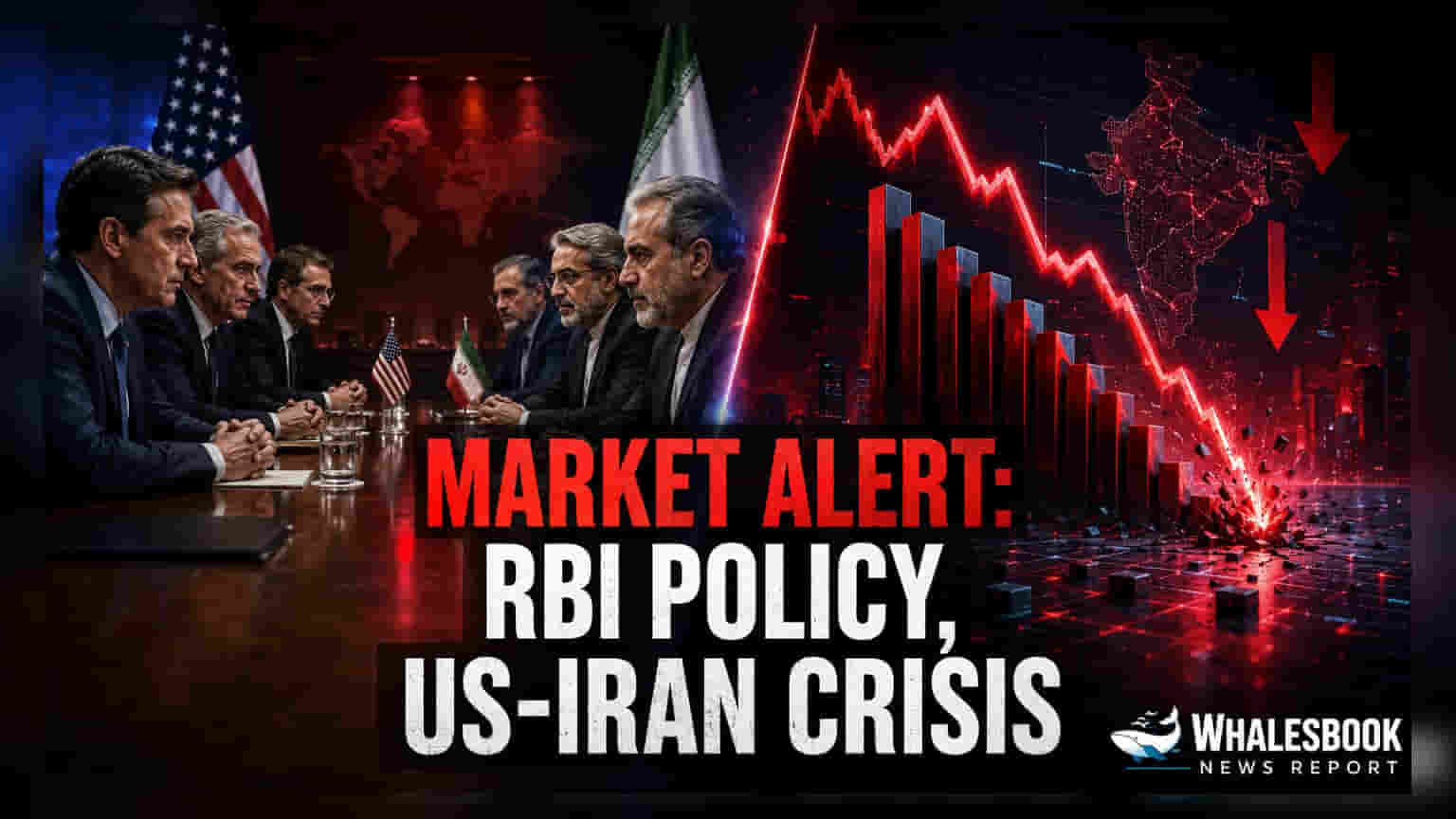


The Geopolitical Inflationary Shock
While market participants often focus on central bank rhetoric, the current trajectory of Indian equities is increasingly dictated by external energy costs. Rising US-Iran tensions have re-established a risk premium in crude oil, which acts as a direct tax on India’s import-heavy economy. Unlike domestic demand metrics, these geopolitical variables remain outside the control of local policymakers. Sustained oil price volatility threatens to reverse recent gains in currency stability, forcing foreign institutional investors to reconsider their allocation toward emerging markets that are sensitive to energy-driven current account deficits.
Dissecting the Growth-Inflation Tug-of-War
The upcoming GDP figures and manufacturing activity reports will serve as a barometer for whether the Indian economy can withstand tighter liquidity conditions. While consumption remains relatively resilient, the manufacturing sector faces a distinct challenge from elevated input costs. If the PMI data reveals a softening in new order books alongside persistent price pressures, the Reserve Bank of India may find its hands tied regarding a pivot toward easing. Market consensus currently anticipates a hawkish-to-neutral stance, but any deviation toward unexpected tightening could trigger a sharp sell-off in interest-rate-sensitive sectors such as banking and real estate.
The Structural Bear Case
Recent weakness in the BSE Sensex and NSE Nifty indices suggests that the market is already pricing in a period of consolidation. Beyond the immediate news cycle, structural risks persist regarding valuation premiums. Indian equities currently trade at historically high multiples compared to regional peers in Southeast Asia, leaving little margin for error should corporate earnings growth fail to meet aggressive projections. Furthermore, if foreign investor outflows accelerate due to rising US Treasury yields, local mid-cap stocks—which have served as the primary engine for recent market participation—could face liquidity crunches. The reliance on domestic retail inflows to cushion against institutional selling has created a fragile equilibrium that could fracture if sentiment turns sour following the Friday policy announcement.
Forward Guidance and Market Sentiment
Institutional analysts are shifting toward a defensive posture, emphasizing companies with strong pricing power capable of passing on inflationary costs. While the central bank is expected to prioritize price stability over growth stimulus, the ultimate market direction hinges on the tone of the communication. Traders should monitor the spread between benchmark government yields and corporate bonds, as a widening gap would indicate growing credit risk concerns that extend far beyond the headline interest rate decision.