

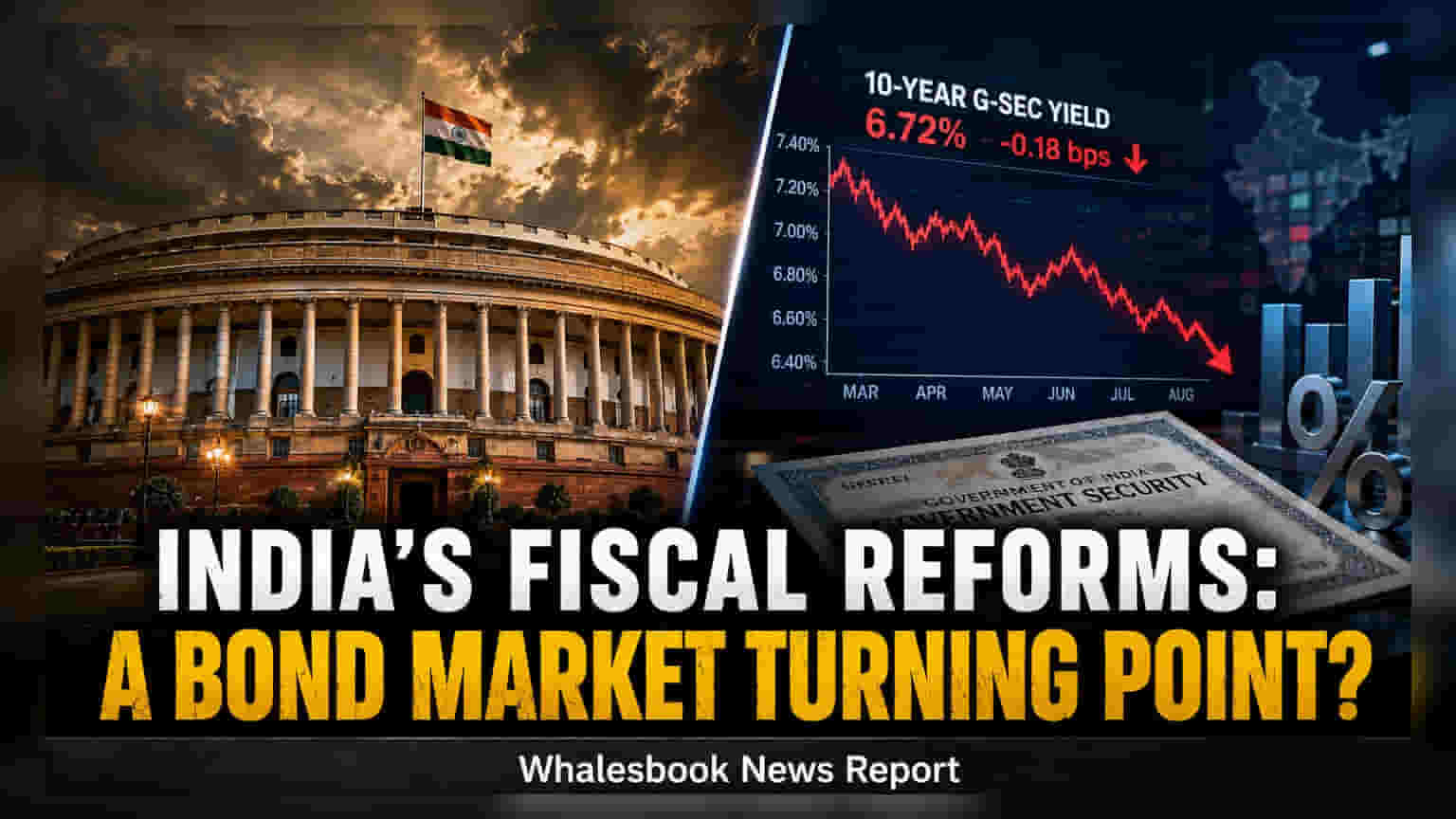
While new laws on taxation and MSME liquidity aim to strengthen India's fiscal framework, bond yields remain under pressure. Market participants are focusing on the Reserve Bank of India’s cautious stance and high crude oil prices, which currently outweigh the potential long-term benefits of recent structural reforms.
The Indian government has introduced a series of legislative changes designed to improve the country's fiscal framework and business environment. These measures, which span taxation, digital payments, and support for smaller businesses, are aimed at creating long-term structural improvements. However, despite these efforts, the bond market is currently facing challenges driven by broader macroeconomic factors rather than domestic policy changes alone.
Legislative Changes Aimed at Structural Growth
Recent legislative updates include significant amendments to tax laws, particularly for offshore funds, to attract foreign investment. The Taxation and Other Laws (Amendment) Bill, 2026, provides specific tax exemptions for foreign investors in government securities and introduces incentives for manufacturing sectors such as electronics and diamonds.
Additionally, the government has passed the MSME Development (Amendment) Bill, 2026. This move mandates that public sector enterprises use the Trade Receivables Discounting System, known as TReDS, to resolve delays in paying invoices to smaller businesses. By ensuring faster payments, the government hopes to reduce the borrowing costs for these smaller companies. Furthermore, updates to the Payment and Settlement Systems Act provide the government with more flexibility regarding digital payment fees, potentially moving away from a system that relies heavily on subsidies.
Fiscal Health and Government Spending
Beyond these laws, the central government has demonstrated a focus on managing its cash flow effectively. A recent, early transfer of tax funds to state governments and robust tax collections, particularly through Goods and Services Tax (GST), have allowed the government to continue spending on projects without needing to borrow excessively. This focus on capital-intensive spending, or money spent on creating physical assets, remains a pillar of the current economic strategy.
Market Reality and Macro Pressures
Despite these positive structural steps, bond yields have remained under pressure. This is largely because the bond market is currently reacting to global and domestic macroeconomic challenges that overshadow fiscal improvements. Minutes from the latest Reserve Bank of India policy meeting have signaled a cautious stance, with concerns about inflation leading to fears of potential interest rate hikes.
When the central bank keeps interest rates high or suggests they could rise further, it tends to keep bond yields elevated. Additionally, high global crude oil prices, which remain near $92 per barrel, pose a risk to India’s inflation and import costs. Because India imports a large portion of its oil, these price levels can limit the room for economic maneuvering and keep market sentiment cautious. Foreign investment into Indian bonds, despite the new tax incentives, also remains muted due to differences in global interest rates and expectations regarding the value of the rupee.
Investors should closely track the next set of inflation data, crude oil price movements, and any official communication from the Reserve Bank of India regarding interest rates. These factors will likely remain the primary drivers of bond market performance in the near term, as the market balances the long-term benefits of recent reforms against immediate economic pressures.