

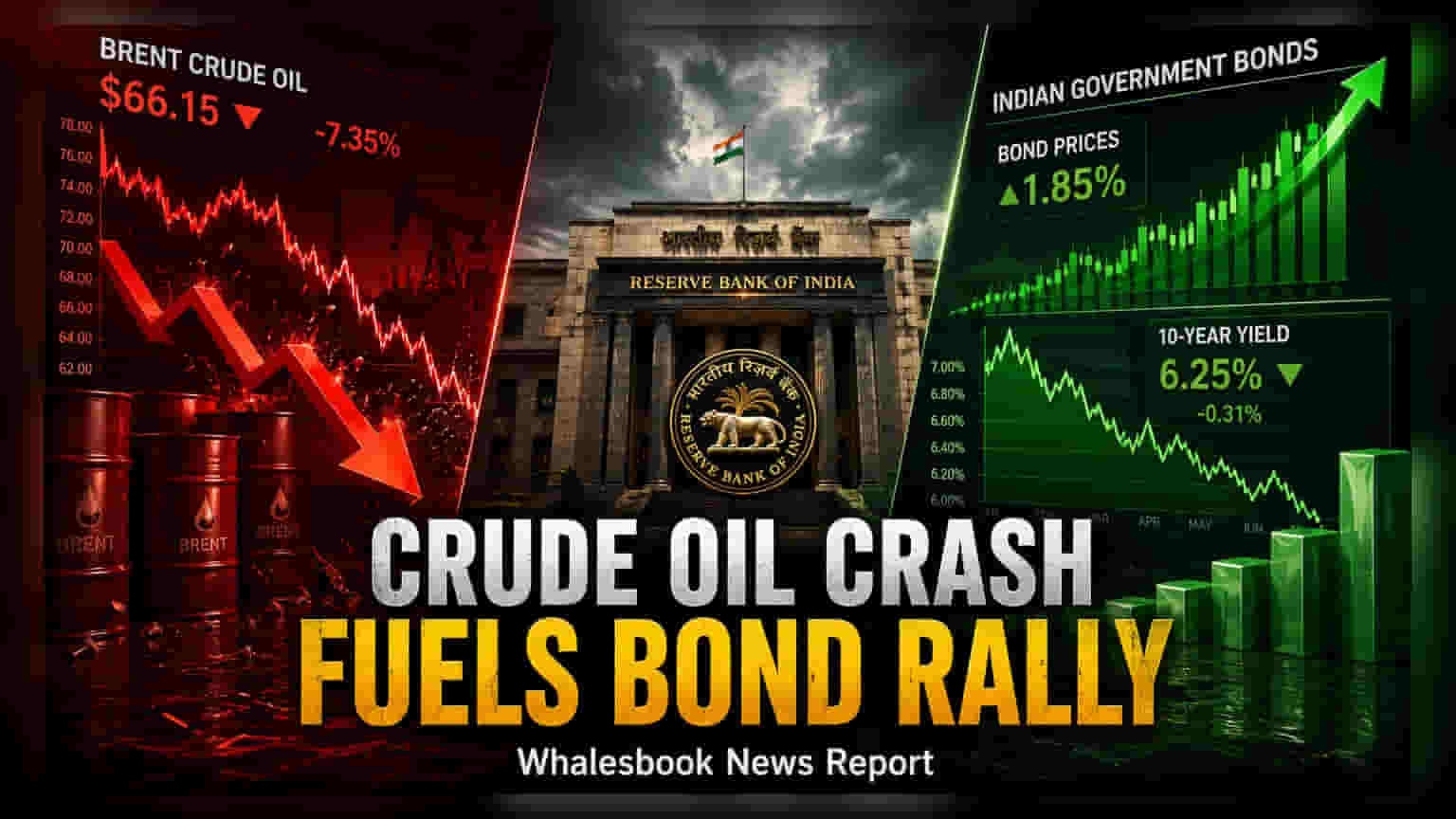
Indian government bond yields dropped to 6.77% on August 5 as Brent crude prices eased, reducing inflation concerns. Investors are now focused on the upcoming RBI policy review, where the repo rate is expected to stay at 5.25%.
Indian government bonds saw a boost on August 5 as yields on the benchmark 10-year paper fell to 6.77%. In the bond market, when yields decline, bond prices rise, signaling that investors are feeling more optimistic about the economic outlook.
This movement was primarily driven by a drop in global Brent crude oil prices. Since India imports a large portion of its oil, lower energy costs help reduce the risk of imported inflation, which often eases the pressure on the economy. This positive sentiment gave bond investors some relief as they prepare for the Reserve Bank of India's (RBI) upcoming policy meeting.
RBI Policy Expectations and Inflation
Most experts and analysts expect the RBI's Monetary Policy Committee to maintain the current repo rate at 5.25%. The central bank has been following a neutral stance, which means it is neither aggressively raising nor cutting interest rates, preferring to wait for more clarity on economic data.
However, the central bank’s decision will be carefully watched because retail inflation recently ticked up to 4.38% in June, compared to 3.93% in May. While the drop in oil prices is a supporting factor, the RBI will likely want to see if the recent rise in inflation is temporary or if it could become a persistent problem. The central bank needs to balance the need for growth with the goal of keeping prices stable.
Risks and What Investors Should Track
While the current mood is optimistic, several factors could change the outlook for the bond market. Geopolitical tensions in regions that produce oil could lead to sudden price spikes, reversing the recent gains. Additionally, investors are keeping a close watch on local factors like monsoon performance, which influences food prices and, consequently, retail inflation.
Currency fluctuations and interest rate trends in the United States also play a significant role in how foreign money flows into India's debt markets. If global rates remain high, it can affect the demand for Indian bonds.
The most important update for investors will be the official RBI policy announcement and the governor’s commentary. Specifically, the market will look for clues on how the central bank plans to manage inflation risks and what it thinks about the future path of interest rates.