 Whalesbook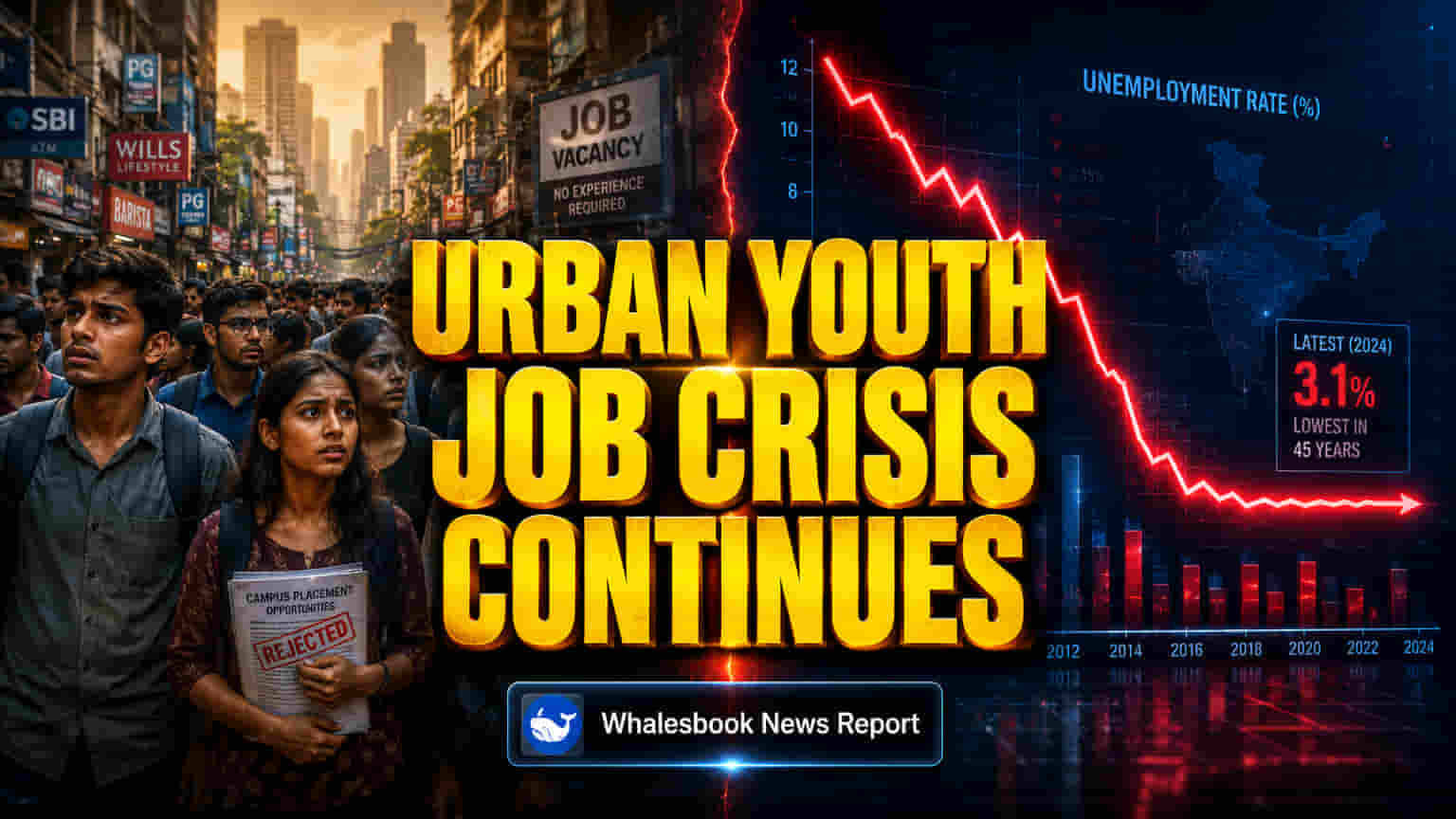


Overall Decline Masks Starker Realities
India's youth unemployment rate has fallen to 9.9% in 2025, a figure now below the global average. However, this positive headline number hides significant ongoing issues. Joblessness remains much higher in urban areas, reaching 13.6% in 2025, compared to a more stable 8-9% in rural regions. This gap shows that cities struggle to create enough jobs for their young populations. Additionally, improvement in employment for young women has been slower, highlighting a gender imbalance in the job market. Overall, the labor force participation rate is around 59.3%, with men having a much higher rate (79.1%) than women (40%).
Informal Jobs and Jobless Growth Challenges
The gains in reducing youth unemployment, now below the global average of about 12.6%, are complicated by the nature of available jobs. For women, the labor force participation rate stays low, around 32-40%, falling short of global averages. This is linked to cultural expectations, domestic duties, and fewer opportunities for quality education and skills. Most of India's workforce, over 82%, is in the informal sector, including nearly all working women. While this sector provides jobs, its lack of social security and formal contracts means many positions are insecure and unstable. A major issue, particularly in cities, is the mismatch between skills and job openings, coupled with economic growth that doesn't translate into enough new jobs, known as 'jobless growth'. Data also suggests that unemployment is lower for those over 30, possibly indicating that more young people are pursuing further education rather than facing immediate joblessness.
Persistent Urban and Gender Employment Gaps
Deeper structural problems continue to challenge India's labor market despite headline improvements. Cities are not absorbing young talent effectively, and employment for young women shows less improvement. The significant gender gap in labor force participation (40% for women versus 79.1% for men) is a key barrier to equal economic progress. In some urban areas, female youth unemployment rates are as high as 23.4% or 24.9% (February 2026), far exceeding the national average. Although the informal sector offers a safety net, it often means precarious jobs without secure wages or benefits, making workers highly vulnerable to economic slowdowns. The trend of 'jobless growth' means economic expansion doesn't automatically create enough jobs. These are deep-seated issues, and there's a clear unmet demand for quality employment, especially for educated urban youth and women.
Next Steps for Job Creation
Addressing these challenges requires targeted strategies. Experts highlight the need for plans focused on urban employment, particularly for educated young people, and significantly increasing women's workforce participation. This involves improving education and vocational training to match market needs, possibly through partnerships with industries. Policies supporting flexible work, childcare, and tackling cultural barriers are vital for women to join the workforce. Investing in rural areas and promoting industry outside major cities could also ease pressure on urban centers and create more balanced opportunities. Government programs like Skill India and Startup India aim to fill these gaps, but their success depends on effective implementation and ensuring training programs are relevant to the changing economy.