

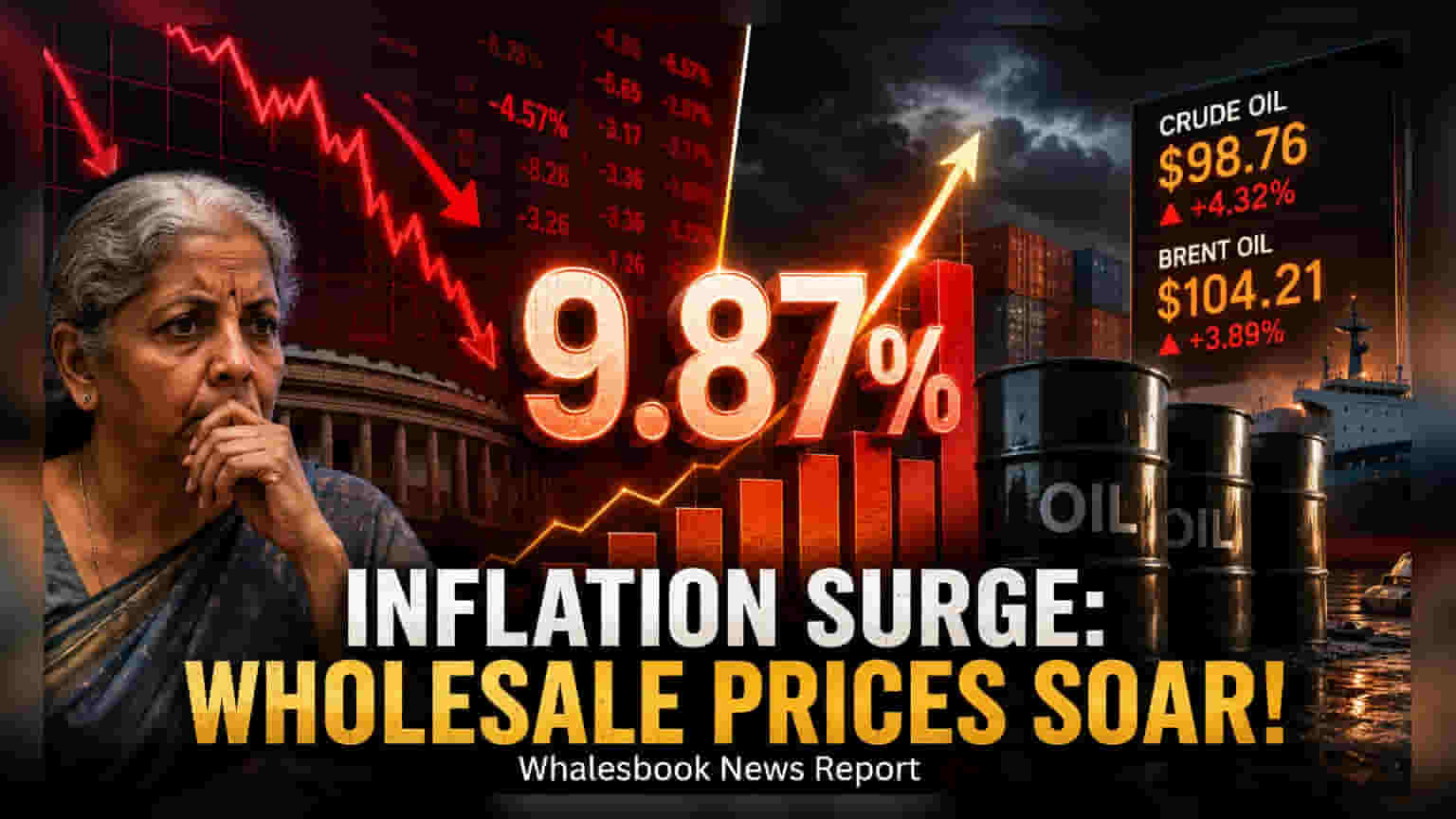
India's Wholesale Price Index (WPI) climbed to 9.87% in June, fueled by higher global costs for fuel, food, and metals. While wholesale costs are under pressure, investors should note the contrast with recent retail inflation trends and potential impacts on corporate profit margins.
India’s wholesale price inflation reached 9.87% in June, reflecting rising costs for energy, food, and industrial raw materials. The government has confirmed that this surge is largely linked to international price movements in commodities such as mineral oils, basic metals, and chemicals. In response, authorities are managing the situation by releasing buffer stocks and adjusting trade policies to help stabilize domestic supply chains.
Impact on Business Margins and Corporate Costs
For investors, the rise in wholesale prices often serves as a leading indicator of potential cost pressures for manufacturing and consumer-facing companies. When raw material costs for items like fuel, metals, and chemicals increase, businesses may face margin pressure unless they can successfully pass these higher costs to consumers. Investors should monitor quarterly results to see if companies in energy-intensive sectors like steel, cement, or logistics can maintain their operating margins amid these rising input prices.
While wholesale prices have risen sharply, retail inflation—measured by the Consumer Price Index (CPI)—has remained relatively more stable. Provisional data showed retail inflation at 4.38% in June 2026, a slight increase from 3.93% in May, mainly due to higher food and transport costs. The Reserve Bank of India continues to aim for a 4% retail inflation target, with a tolerance band of +/- 2% set through March 2031.
Evaluating the Economic Balance
The divergence between wholesale and retail inflation creates a complex environment for market participants. Wholesale inflation is highly sensitive to global commodity cycles, which are outside of direct domestic control, whereas retail inflation focuses more on the final prices paid by households. If wholesale costs remain elevated for a long period, they eventually tend to influence retail prices, which could force the central bank to maintain a cautious stance on interest rates. For those tracking market trends, the next key monitorable will be whether global commodity prices soften in the coming months or if the current inflation levels persist, potentially impacting future corporate earnings growth and central bank policy decisions.