 Whalesbook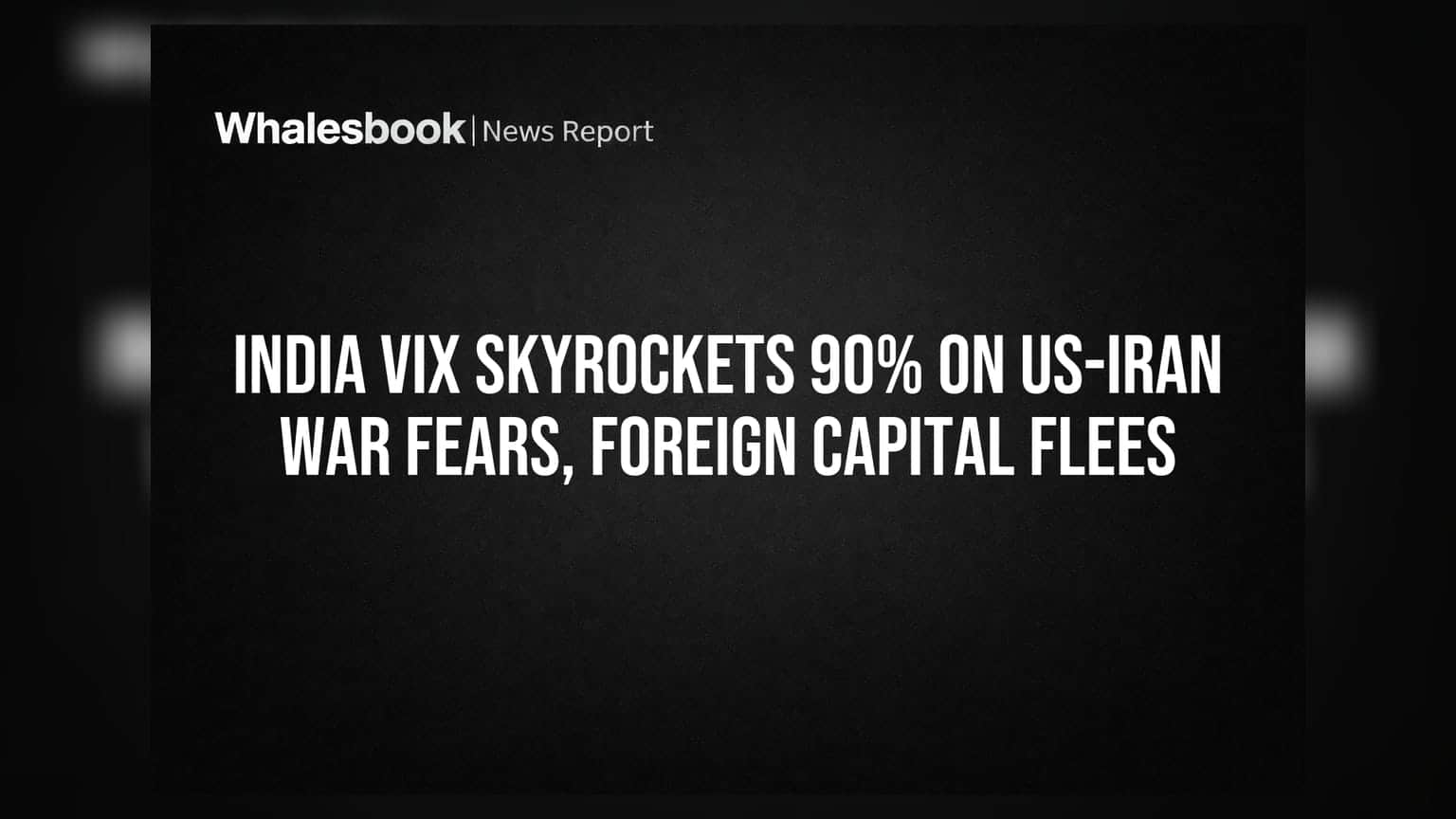


Market Liquidity Dries Up
Investors are facing a significant capital flight, the largest since the pandemic's start, fueled by rising US-Iran tensions that have shifted the risk outlook for emerging markets. Beyond the surging India VIX, the main concern is the sharp decline in secondary market liquidity. Historically, domestic institutional investors (DIIs) have supported the market during downturns, but the current sell-off's intensity has compelled even steady long-only funds to sell assets to manage redemptions and margin calls.
Currency, Yields, and Risk Premiums
The instability stems from a growing gap between Indian assets and U.S. fixed income. With the rupee nearing ₹92 against the dollar, hedging currency risk has become prohibitively expensive for many foreign investors. This is worsened by rising U.S. Treasury yields, which are drawing capital away from emerging markets. Historically, sharp rupee depreciation has led to lower equity valuations, regardless of company earnings. The market is now repricing the overall risk for Indian equities, not just reacting to oil prices.
Bearish Case for Stocks
Institutions are increasingly questioning whether current valuations in mid-cap and small-cap stocks are sustainable. While large-cap indices have seen a 10% drop, the widespread decline suggests high-risk stocks are undergoing a fundamental revaluation. Unlike the quick 2020 correction, the current downturn is driven by major macroeconomic shifts, including higher energy import costs impacting the current account deficit. Companies with significant foreign debt or reliance on global supply chains face potential margin losses. The uncertain duration of geopolitical conflicts also heightens the risk of rating downgrades, especially for sectors previously boosted by pandemic growth but now facing slowdowns.
Future Outlook and Strategy
Near-term expectations point to defensive consolidation. High option premiums are pushing retail investors towards cash-heavy portfolios. Analysts note a shift to lower-risk sectors, though these are also showing signs of weakness. The market is likely to remain highly sensitive to news until the rupee stabilizes and the India VIX returns to more normal levels, with even minor negative news causing outsized price drops.