

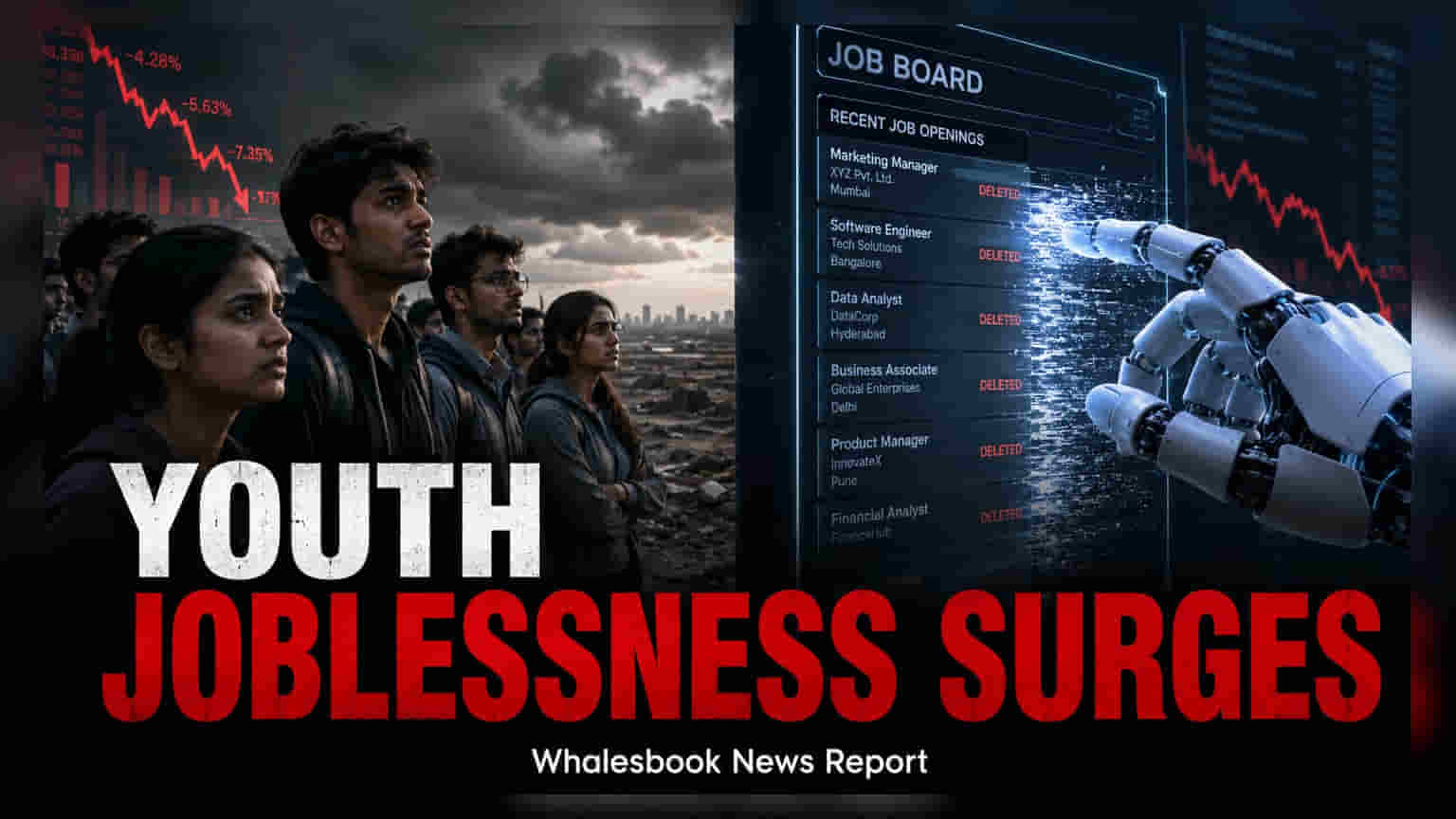
India’s urban youth unemployment has climbed to 18.2%, with young women facing rates above 25%. This data highlights a deepening mismatch between education and job availability, further strained by AI automation and slower hiring in the IT sector.
Detailed Coverage
The latest Periodic Labour Force Survey (PLFS) data for June 2026 highlights a significant employment challenge facing India’s young workforce. Urban youth unemployment has reached 18.2%, a figure that reflects individuals actively searching for work but unable to secure even a single hour of employment during the reference week. The data indicates that the crisis is particularly severe for young women, where unemployment rates exceed 25%.
Structural Challenges and Unpaid Labor
Beyond the headline unemployment rate, the data suggests that many workers are engaged in underemployment or unpaid roles. In rural areas, seasonal employment masks the severity of the issue, with a substantial portion of the population classified as contributing family workers. National data from early 2026 shows that 33.8% of all employed female workers were engaged in unpaid family labor, a trend that masks the true extent of joblessness across the country.
Educational Mismatch and Future Risks
The survey results point to a growing disconnect between educational qualifications and industry requirements. Data from the 2023-24 period showed graduate unemployment at 13%, which is notably higher than the unemployment rate for those with secondary or higher secondary education. This suggests that the current labor market is struggling to absorb the increasing number of graduates, leading to lower returns on education.
Technological shifts are expected to add pressure on job availability in the coming years. Recent projections from studies by Cognizant and Pearson indicate that artificial intelligence could automate up to 37% of entry-level tasks in India. When combined with a noted slowdown in recruitment by large IT companies, these factors create a challenging environment for new entrants to the workforce.
The structural nature of this employment crisis and its impact on various demographics, particularly women, remains a primary concern for long-term economic stability. For investors and policymakers, the key monitorables will be how the labor market adapts to AI-driven automation, the evolution of hiring trends in the IT and service sectors, and whether skill development initiatives can better align with current industry demands to reduce the gap between job seekers and available skilled positions.