

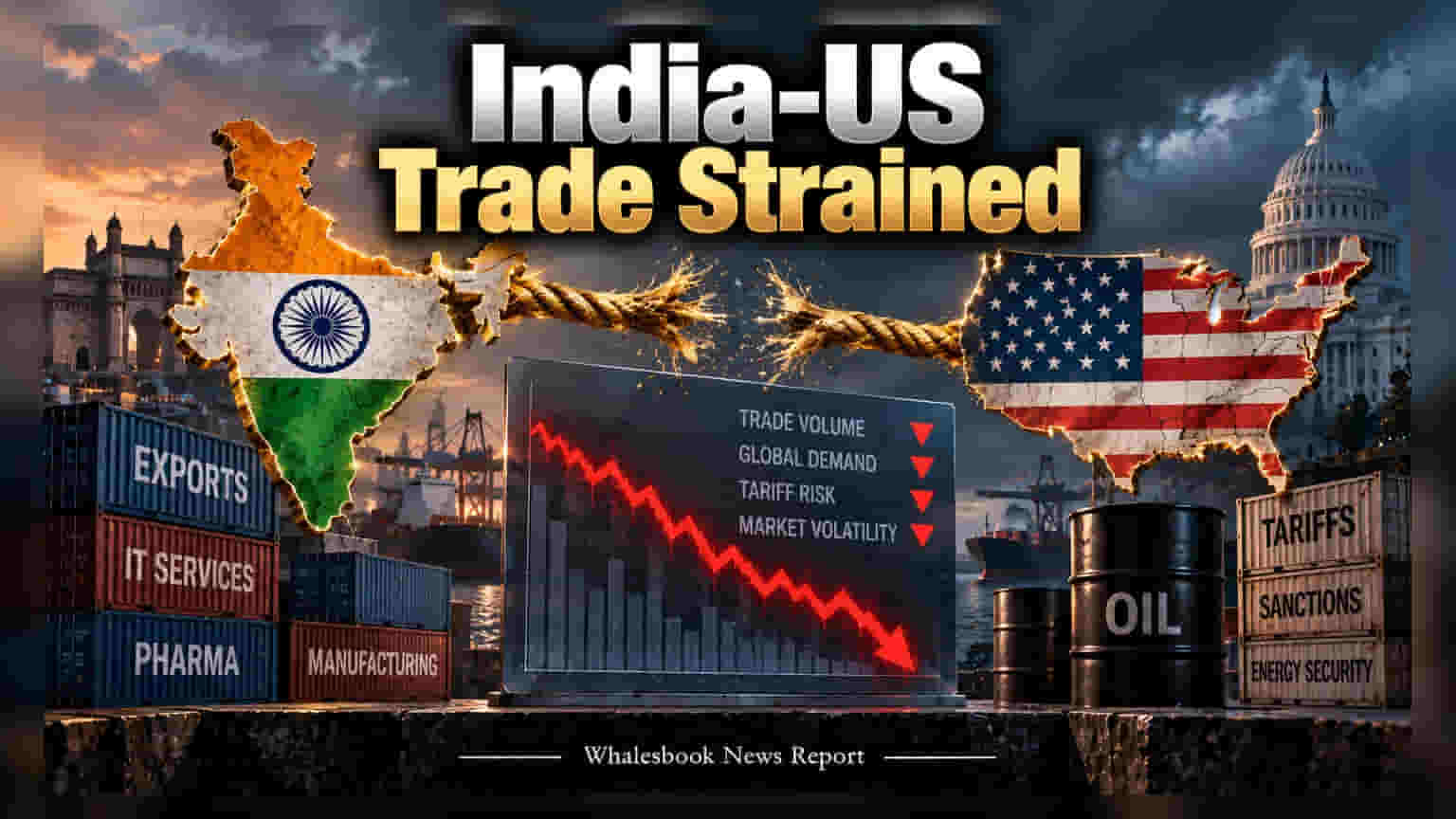
India’s economic leadership has described the current trade relationship with the US as an uneasy equilibrium, driven by ongoing tariff disputes and concerns regarding Russian energy imports. For investors, this geopolitical situation creates uncertainty for sectors heavily dependent on the US market and those sensitive to energy procurement costs. Navigating this environment requires close attention to shifting trade policies and their impact on India’s strategic economic autonomy.
The trade relationship between India and the United States is currently navigating a period of complexity, described by Chief Economic Adviser V. Anantha Nageswaran as an uneasy equilibrium. While the two nations have engaged in interim trade agreements, deeper economic integration remains constrained by ongoing disputes over tariff structures and divergent views on energy procurement. This situation creates a distinct environment for investors, particularly those tracking companies with high exposure to international trade and global energy prices.
At the heart of the current tension is India's energy procurement strategy. As the global geopolitical landscape shifts, India has continued to source energy supplies that serve its domestic economic needs, which includes imports from Russia. The potential for US legislative actions, specifically concerning authority to impose levies on nations procuring energy from sanctioned sources, creates a layer of uncertainty. For the Indian economy, this is not merely a diplomatic issue but a fundamental strategic calculation. If tariff barriers were to rise, it could affect the cost of raw materials and energy, potentially influencing inflation and the profit margins of energy-intensive industries in India.
For investors, the impact of these tensions is most relevant in export-oriented sectors. The United States remains one of the largest export markets for India, particularly for the Information Technology (IT) services and pharmaceutical sectors. Any shift in US trade policy or the introduction of protectionist tariff measures could create volatility for companies that derive a significant portion of their revenue from US-based clients. While many of these firms have diversified their global presence, a major disruption in the India-US trade corridor would be a material event, potentially leading to earnings uncertainty or changes in competitive positioning.
India’s broader policy of strategic autonomy involves a deliberate choice to maintain relationships with various global blocs. While this stance supports long-term national sovereignty and energy security, it also carries the risk of short-term market volatility. Government officials have emphasized that India is prioritizing its long-term economic independence over immediate convenience, accepting that this approach may periodically lead to friction with major trading partners like the US.
Investors monitoring these developments should look beyond the headline rhetoric and focus on tangible indicators. Key monitorables include the progress of bilateral trade negotiations, specific updates on US trade legislation regarding energy imports, and any shifts in the volume of goods traded between the two nations. Additionally, tracking the margin performance of major exporters in the IT and pharmaceutical sectors can provide insight into how companies are managing potential geopolitical headwinds. As the relationship continues to evolve, the ability of both nations to find common ground will be critical in shaping the future of bilateral trade and economic cooperation.