

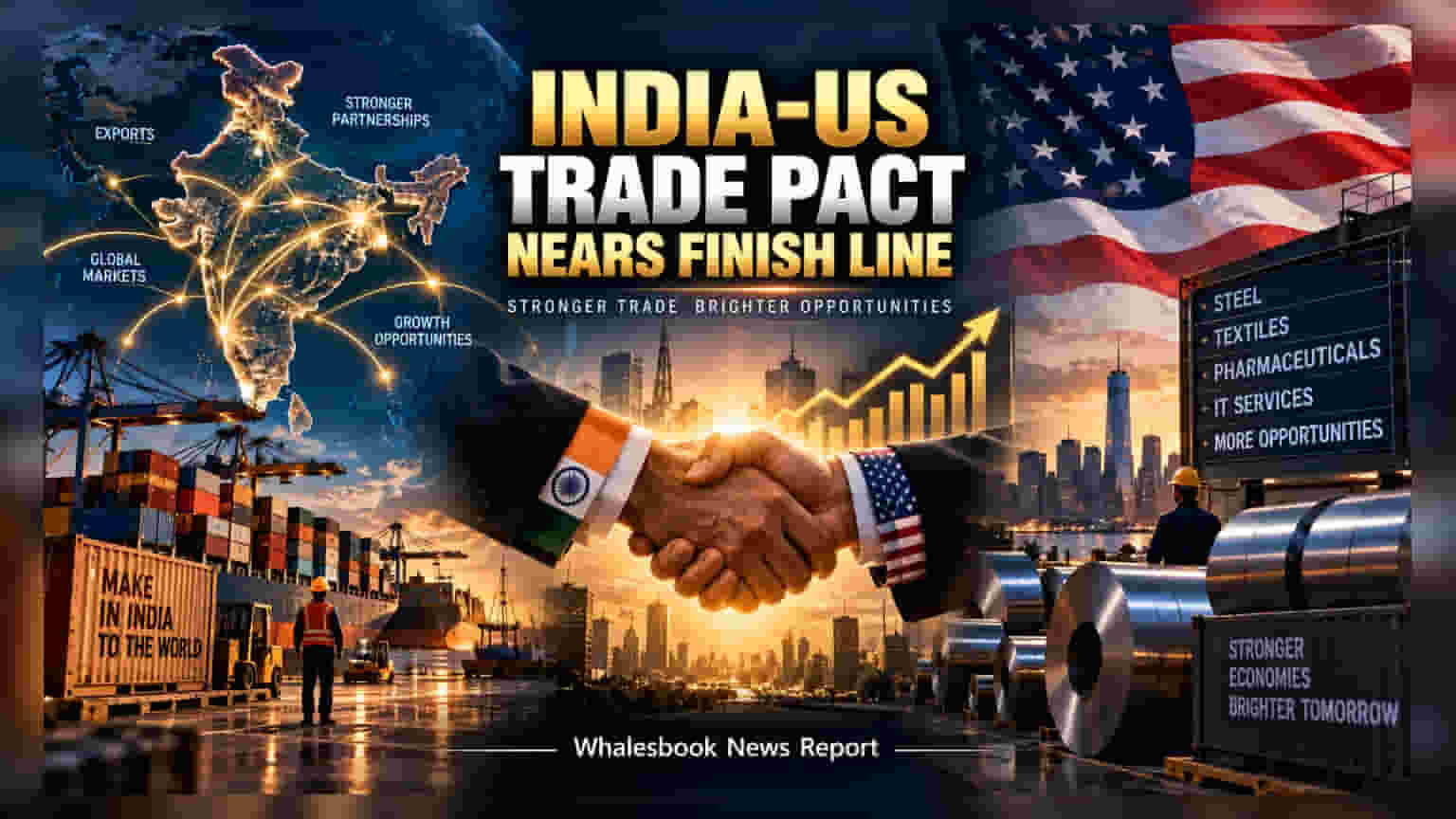
Commerce Minister Piyush Goyal confirmed the India-US trade deal is close to finalization, with a focus on securing competitive advantages for domestic industries. This move is part of a broader government strategy to secure access to markets covering 75 percent of global GDP, a policy that directly affects future prospects for Indian steel, manufacturing, and export-led sectors.
The India-US trade agreement is entering its final stages, with Commerce and Industry Minister Piyush Goyal stating that the framework is functionally complete. The government is now focusing on the final adjustments needed to ensure that the terms provide a clear competitive edge for Indian industries in the American market. These negotiations are set to be a key topic at the upcoming G20 Trade Ministerial in Milwaukee, where officials will discuss the final details.
For investors, these trade pacts are significant because they aim to lower tariff barriers and simplify market access for Indian exporters. When trade deals are finalized, they often help companies in sectors like steel, textiles, pharmaceuticals, and information technology by reducing costs and opening new opportunities in the world’s largest economies. However, the ultimate benefit to company earnings will depend on the specific duties and concessions agreed upon in the final treaty.
Beyond the US, the government is also actively managing trade relationships with European markets, where regulations are becoming stricter. A primary example is the Carbon Border Adjustment Mechanism in the European Union, which imposes higher environmental standards on imports. While these rules create compliance challenges, the government has successfully negotiated increased steel export quotas and secured 500 million dollars in climate finance. For investors, this suggests that while regulatory hurdles in Europe are increasing, companies that can meet these green production standards may find long-term opportunities as higher domestic costs in the EU eventually push global manufacturing toward more efficient suppliers in countries like India.
India is also expanding its global trade network to hedge against tariff uncertainty in key markets. New trade discussions are gaining momentum with Canada, and negotiations with the Gulf Cooperation Council are scheduled for October. Additionally, the government has finalized the Terms of Reference for talks with Mexico. These efforts align with the broader goal of securing preferential access to markets that represent 75 percent of the global economy.
Investors should monitor the timelines for these agreements, as official signatures and the specific terms of these deals will determine their real-world impact. While these pacts are intended to boost trade, the government has emphasized that it will maintain a firm stance against agreements that could unintentionally expose domestic markets to unfair competition or sudden surges in low-cost imports from other regions. The next steps will involve observing how these negotiations translate into signed treaties and whether the competitive terms sought by the government are ultimately secured.