 Whalesbook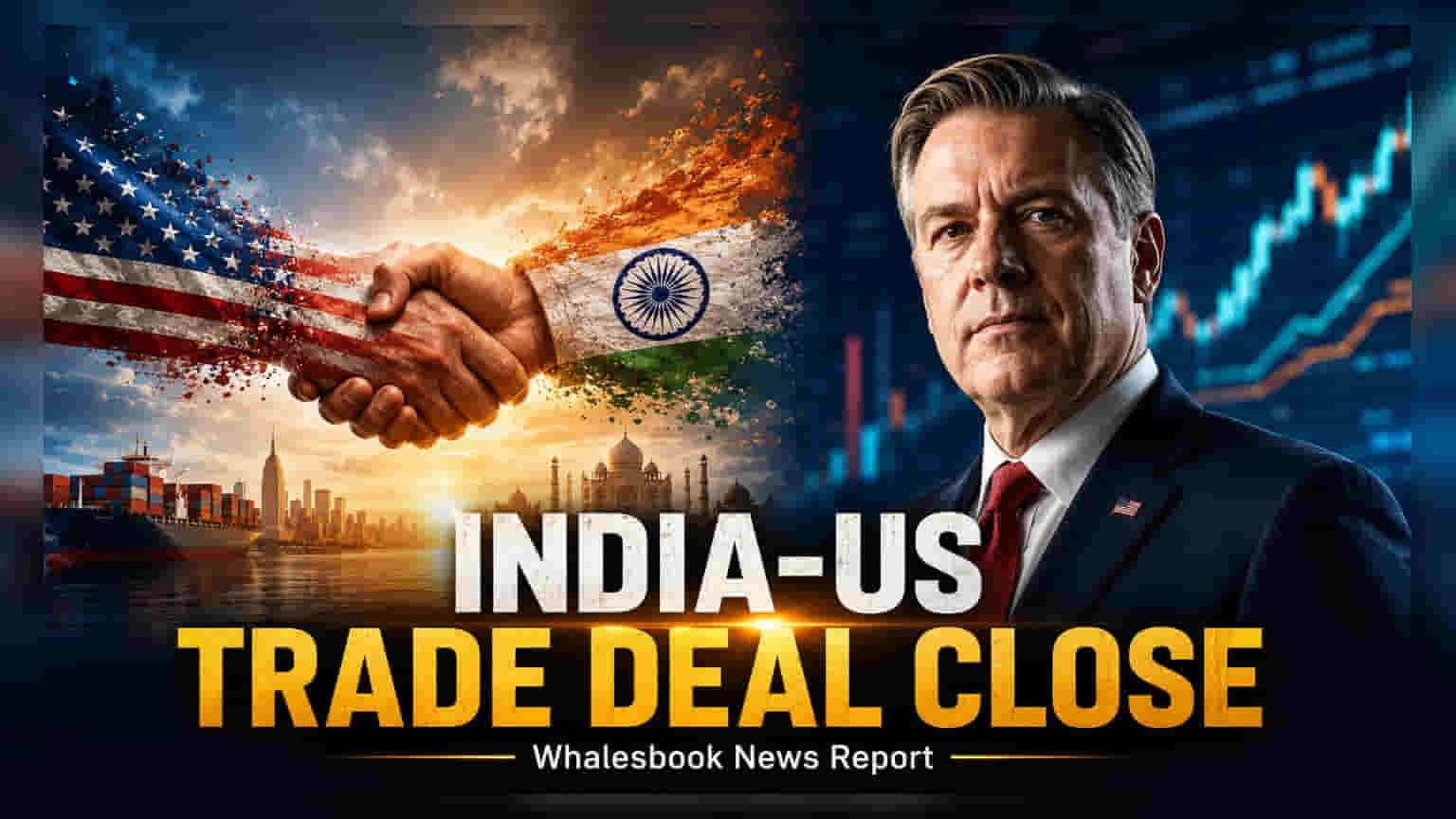


Trade Pact Momentum Builds
U.S. Ambassador Sergio Gor's optimism stems from active engagement between both nations, including recent delegation visits and the current pause on reciprocal tariffs, creating a conducive environment for deal-making. The proposed agreement aims to bolster bilateral trade, which already exceeds $190 billion annually, with a stated goal to more than double it to $500 billion by 2030. Both countries are concentrating on a more comprehensive framework beyond the existing interim agreement, seeking to unlock greater prosperity. India has indicated a willingness to make concessions on agricultural imports and lower tariffs on certain American goods, in return for increased market access for its pharmaceuticals, textiles, and IT services.
Sectoral Impacts and Competitiveness
The finalized trade deal is expected to significantly impact various sectors, with a strong emphasis on boosting India's export-oriented industries. Key beneficiaries include textiles and apparel, machinery, chemicals, plastics, rubber goods, gems and jewelry, and automotive components. The reduction in U.S. tariffs on Indian goods, from potentially high levels down to a reciprocal rate of 18%, is anticipated to enhance price competitiveness and improve revenue visibility for Indian exporters. For instance, the textiles and apparel sector, a major export category, is projected to be one of the largest beneficiaries due to tariff drops on most shipments. Information Technology (IT) services, while not directly tariff-linked, are expected to see a sentimentally positive impact due to improved trade relations and reduced geopolitical overhang.
However, the actual competitive advantage for India may be marginal compared to regional peers. While the U.S. tariff rate on Indian goods will be 18%, other Indo-Pacific exporters like Vietnam face tariffs around 20%, Bangladesh around 19%, and Japan and South Korea closer to 15%. This suggests India's advantage could be a mere two to three percentage points, often offset by structural cost differences and the scale efficiencies of competitors. In sectors like apparel, where operating margins are typically thin, this differential might not translate into sustained competitiveness against countries like Bangladesh or Vietnam.
Navigating Policy Volatility and Agricultural Concerns
Despite the optimistic outlook, the durability of the trade agreement's benefits remains a concern, given the U.S. administration's track record of policy reversals. Supply chain professionals are advised to stress-test assumptions around tariff permanence and prepare contingency plans. A significant point of contention lies in the agricultural sector. While India has stated that sensitive agricultural and dairy sectors are protected, there are concerns that opening up to U.S. agricultural imports, potentially including genetically modified (GM) products, could negatively impact millions of smallholder farmers in India. The agreement's impact on India's agricultural and dairy sectors, which support a substantial portion of the workforce, warrants careful monitoring due to potential downward pressure on domestic prices. Furthermore, while the deal aims to strengthen supply chains, potential increases in trade volumes could strain logistics and create congestion at export hubs.
Future Outlook
The U.S. and India have set an ambitious goal of achieving $500 billion in bilateral trade by 2030. The current trade agreement is viewed as a medium-term structural positive, with sustained execution being key to enhancing India's export competitiveness and global integration. KPMG in India and AMCHAM project that U.S.-India trade is entering a high-growth phase, driven by stronger supply chains, technology collaboration, and deeper integration across manufacturing and services. Semiconductors, defense, and clean energy are identified as key drivers for future growth, with a focus on manufacturing integration, technology assurance, and energy security.