 Whalesbook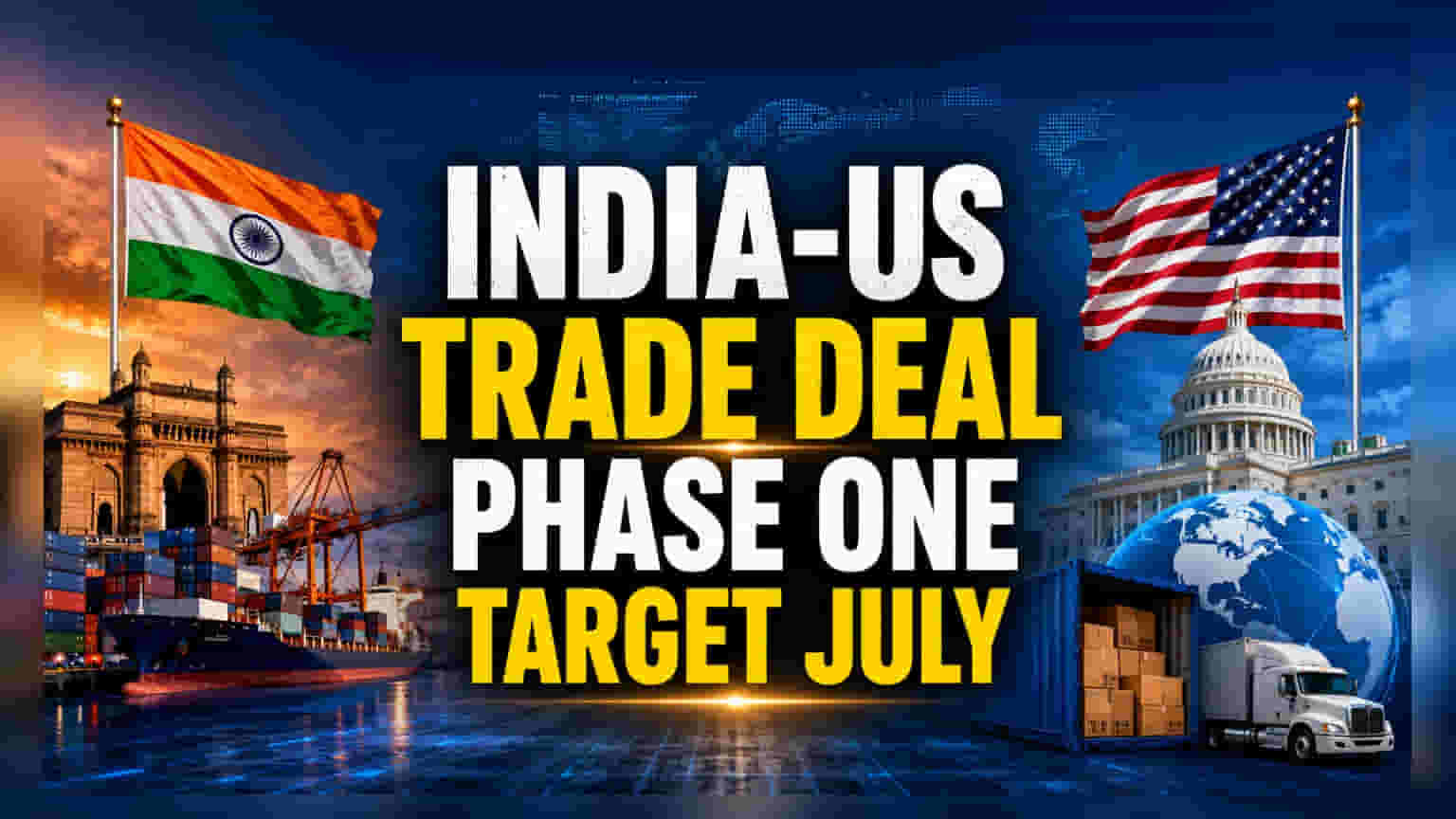


The Tactical Scope of Phase One
The mid-July target for an initial India-US trade accord signifies a calculated shift from broad, exhaustive negotiations toward incremental policy wins. By compartmentalizing the deal into phases, negotiators are opting for immediate resolution on non-controversial items—likely focusing on non-tariff barriers and specific agricultural or pharmaceutical standards—rather than tackling the full spectrum of bilateral friction points at once. This strategy serves to maintain momentum for both administrations without triggering the immediate political backlash often associated with comprehensive free trade agreements.
Sectoral Implications and Competitive Benchmarking
Unlike the comprehensive trade agreements seen in recent years between other emerging markets and Western partners, this deal appears calibrated to address specific domestic supply chain vulnerabilities. Investors should monitor the impact on textile and technology manufacturing sectors, where current tariff structures have historically dampened competitiveness against Southeast Asian alternatives. While the broader market sentiment remains optimistic, historical data from similar bilateral negotiations suggests that early-stage 'tranche' deals often result in minimal initial impact on GDP, serving primarily as a framework for regulatory alignment rather than a catalyst for massive immediate capital inflows.
The Forensic Bear Case: Structural Limitations
Despite the positive diplomatic signaling, the lack of transparency surrounding the specific goods covered in the first phase invites skepticism. Skeptics point to the recurring history of stalled negotiations between New Delhi and Washington, noting that previous attempts to address market access often faltered due to entrenched lobbying interests in the dairy and automotive sectors. Furthermore, the reliance on a phased approach creates a risk of 'negotiation fatigue,' where subsequent phases are indefinitely delayed if the initial outcomes fail to provide tangible domestic employment benefits. If the deal remains limited to minor tariff adjustments, it may ultimately provide little relief for companies struggling with high logistical costs and stringent cross-border compliance requirements.
Forward Trajectory and Economic Sentiment
Looking ahead, the upcoming visit by the Indian delegation will serve as a barometer for the depth of the partnership. Analysts are closely watching for any signals regarding Intellectual Property (IP) reforms, which remain a primary contention point for US stakeholders. Should the July signing address IP enforcement alongside tariff reductions, the market may begin to price in a more favorable environment for foreign direct investment. However, until official text is released, the reliance on mid-level bureaucratic cooperation remains the primary risk to the established timeline.