 Whalesbook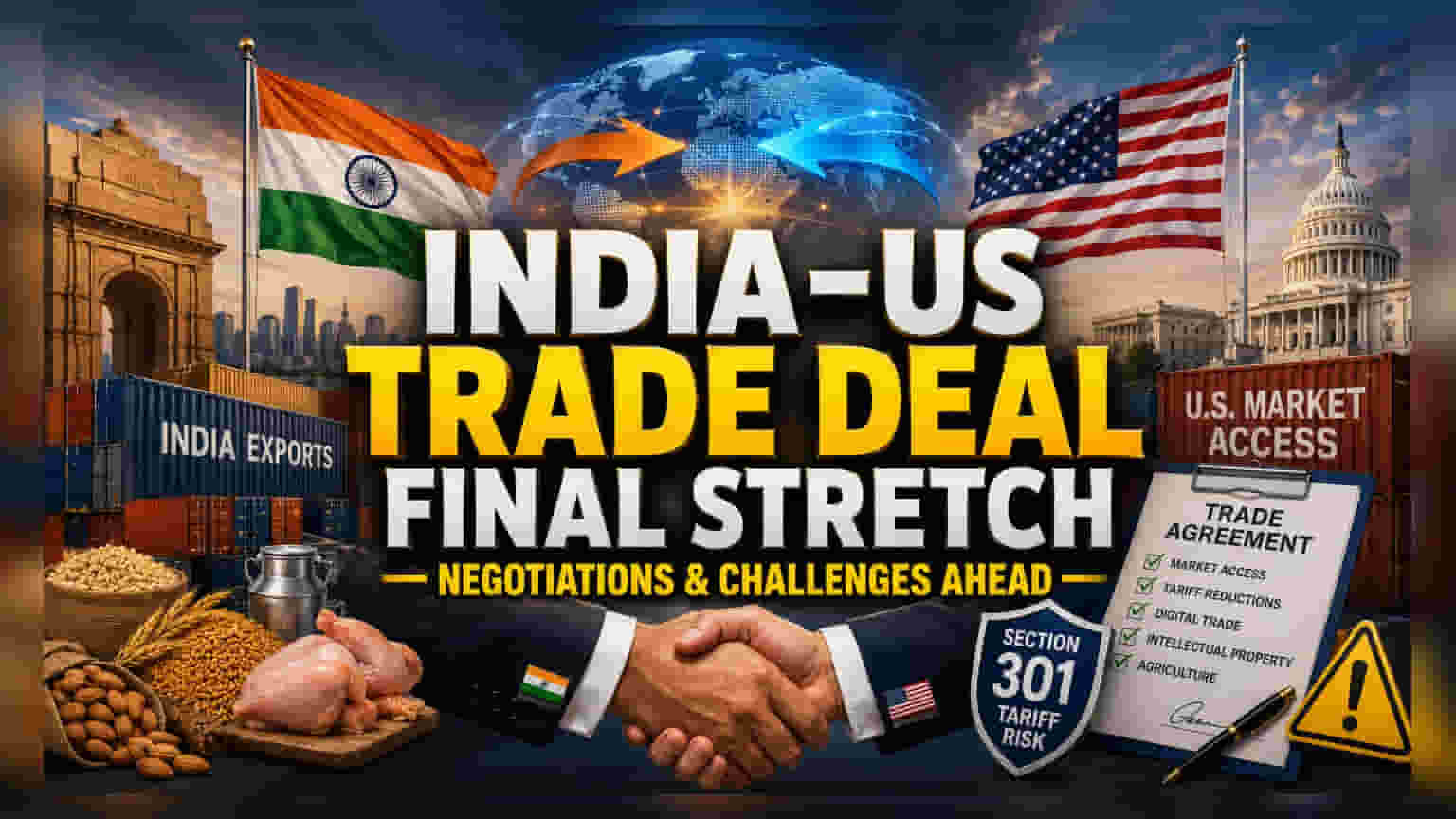


The Final Stretch of Negotiations
The trajectory toward an interim bilateral trade agreement between India and the United States has accelerated, with both nations aiming to execute the first phase of the pact by mid-July. Following intensive negotiations in New Delhi between June 1 and June 4, officials from the Office of the United States Trade Representative and the Indian Ministry of Commerce confirmed that the talks were both constructive and pragmatic. The current effort is designed to operationalize the framework established in February, which sought to address structural imbalances and enhance market access for both economic powers.
The Tariff Leverage Trap
Despite the outward optimism of a deal that is reportedly 99% complete, the negotiations are occurring within a volatile regulatory environment. The US administration has introduced a proposal for a 12.5% additional tariff on imports from approximately 60 countries, including India, citing investigations into supply-chain forced labor practices under Section 301 of the Trade Act. Analysts widely interpret this move as a strategic pressure tactic. By introducing new tariff threats as the interim deal enters its final legislative phase, Washington appears to be attempting to extract last-minute concessions regarding intellectual property, digital trade, and agricultural market access. This tactical posturing complicates the objective of securing a stable, reciprocal agreement.
Structural Roadblocks and Market Risks
Significant hurdles remain that prevent a seamless finalization. The agricultural sector continues to be a point of friction, with US interests pushing for lower tariffs on dairy, poultry, and premium nuts—areas where India remains fiercely protective of its domestic farmers. Additionally, the clash over digital sovereignty remains unresolved; India's strict data localization mandates frequently conflict with the operational requirements of American technology corporations. Furthermore, intellectual property rights, particularly concerning pharmaceutical access, remain a persistent bottleneck. Unlike competitors who may benefit from different tariff classifications, Indian firms face a dual challenge: navigating these trade negotiations while simultaneously preparing for potential Section 301 surcharges that could impact long-term margins and export competitiveness.
The Future Outlook
Forward-looking sentiment remains cautiously optimistic as Commerce Minister Piyush Goyal confirmed that another high-level delegation is expected to visit India later this month to close the remaining gaps. While the first tranche of the agreement is expected to provide India with preferential access over other regional competitors, the durability of this pact will depend on whether both nations can separate these bilateral economic goals from the escalating complexities of US Section 301 investigations. Stakeholders are now turning their attention to July, when public hearings regarding the proposed tariffs will provide a clearer picture of the final trade environment.