 Whalesbook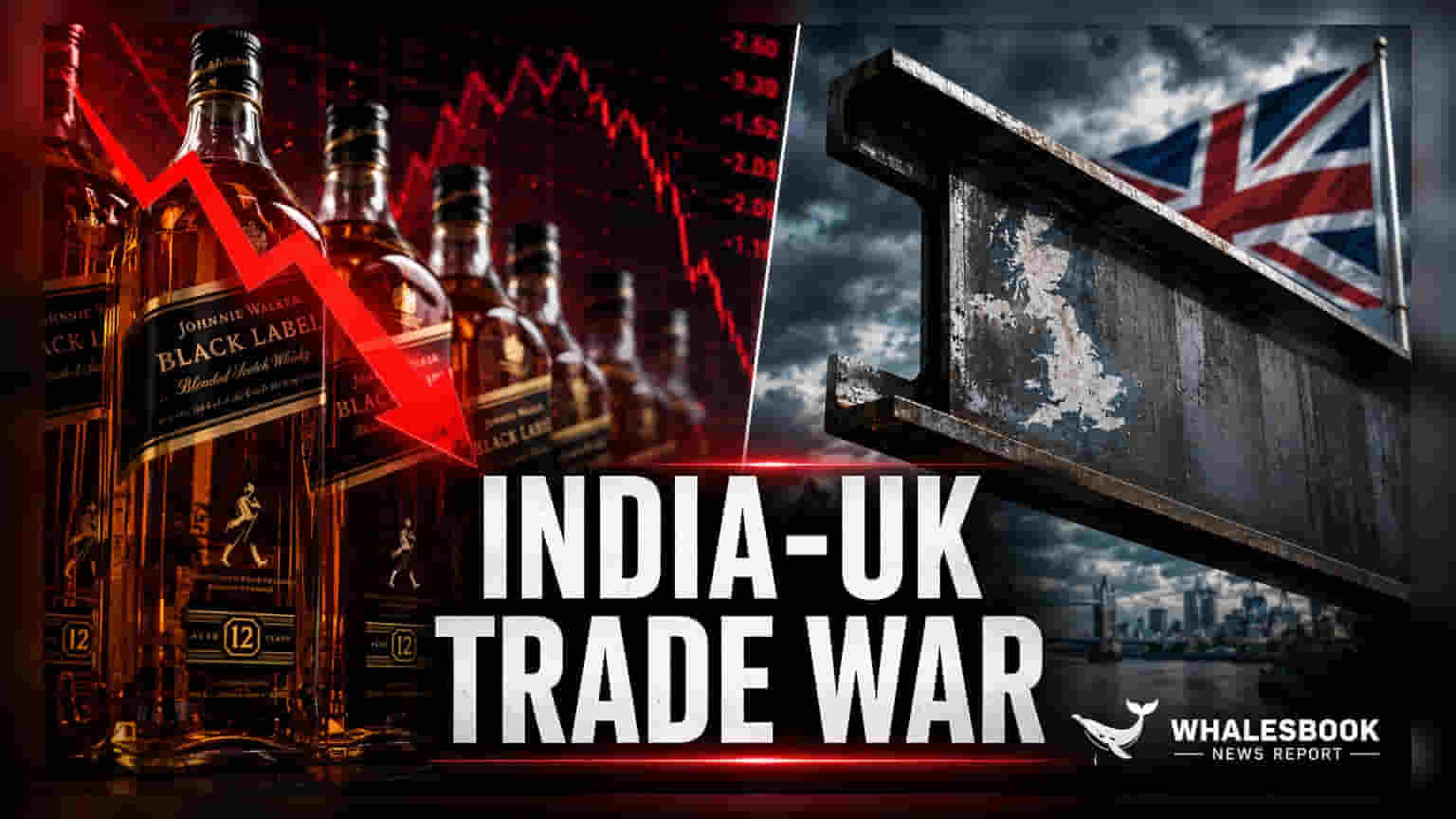


The Geopolitical Leverage Play
The impasse regarding the India-UK Free Trade Agreement stems from a fundamental divergence in industrial priorities. While the United Kingdom frames the pact as a modernizing mechanism for services and consumer goods, New Delhi is increasingly viewing the treaty through the lens of industrial protectionism. By threatening to halt the reduction of the 150% tariff on imported spirits, Indian officials are signaling that the era of unilateral concessions is over. This tactic forces London to choose between defending its domestic steel sector—which remains a politically sensitive industry—and securing a flagship trade win that aims to boost bilateral economic activity by billions.
The Steel Divergence
The core of the conflict lies in the classification of steel as an auxiliary trade concern rather than a central pillar of the FTA. British officials maintain that steel import quotas are distinct from the trade pact negotiations, yet India’s insistence on linking the two suggests a broader frustration with non-tariff barriers. Market data indicates that India’s steel sector is hypersensitive to European and British protectionist moves, as the nation strives to maintain its export trajectory amid cooling global demand. For UK negotiators, excluding steel from the conversation creates a diplomatic blind spot, as India now treats these import duties as a barrier to the 'win-win' scenario promised by the government in London.
The Forensic Bear Case
The structural integrity of the FTA is deteriorating under the weight of these protectionist impulses. Investors should note that this tit-for-tat dynamic creates significant execution risk for the businesses expecting tariff relief. If the 150% duty on Scotch whisky remains in place, it effectively keeps a substantial segment of the premium spirits market locked away from high-growth Indian consumers. Furthermore, should the UK proceed with its quotas, India’s retaliation is unlikely to end with just one industry; automobiles and textiles could be next in line for reciprocal friction. The reliance on WTO arbitration as a backstop is also unlikely to provide short-term resolution, as such legal battles typically span years, providing no relief to the companies currently caught in the regulatory crossfire.
Future Outlook and Trade Sentiment
Market expectations for a swift implementation of the pact have cooled significantly. Analyst consensus suggests that unless the upcoming ministerial meetings yield a formal carve-out or a softening of the steel quotas, the timeline for the trade deal will likely slip well into late 2026 or beyond. The focus now shifts to whether the UK government can justify prioritizing steel protection over the broader economic gains promised by the partnership with India.