 Whalesbook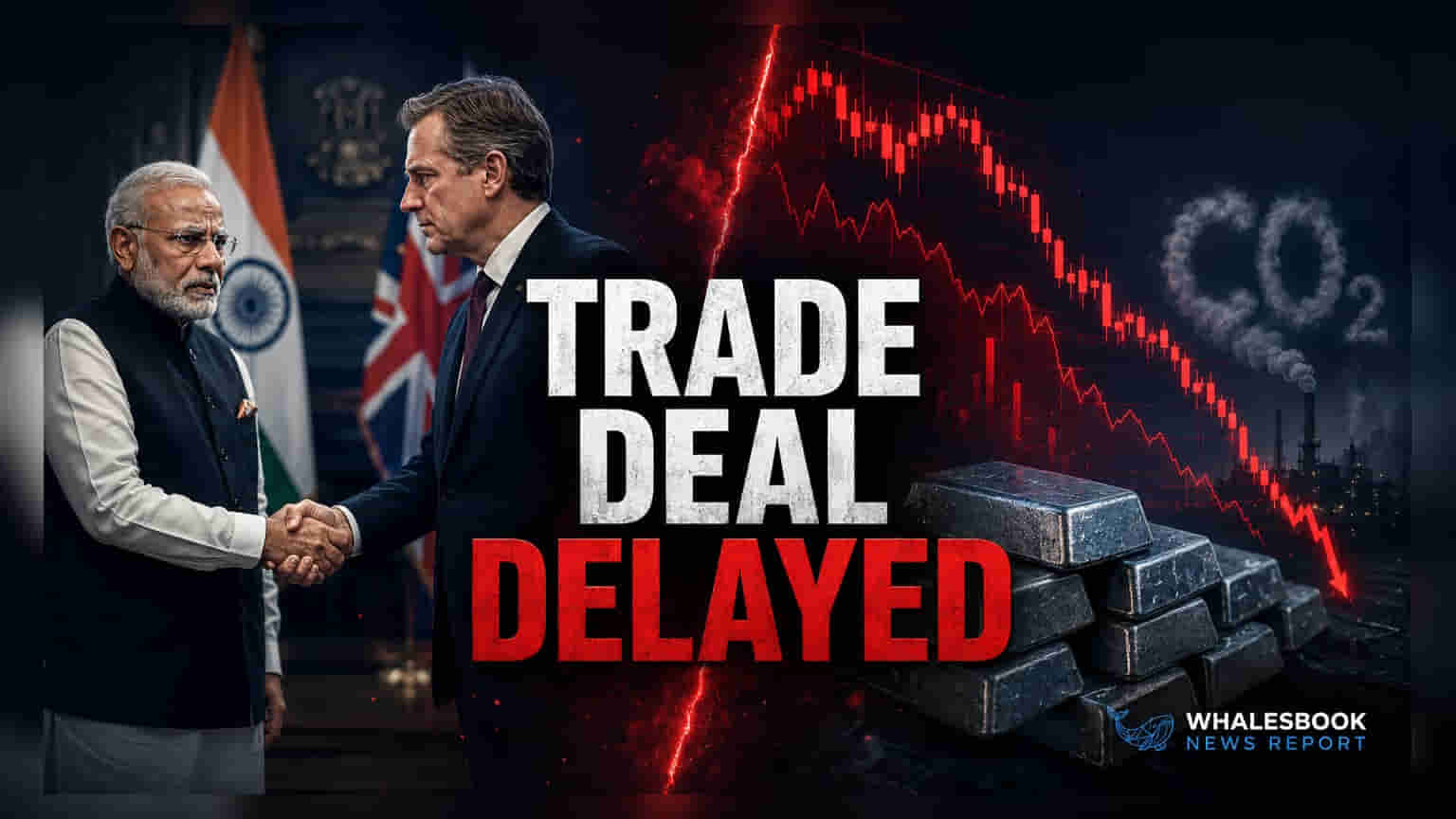


The Friction Point: Protectionism vs. Liberalization
The strategic push to finalize the India-UK trade architecture is currently obstructed by a fundamental conflict between British industrial protectionism and India's export-oriented growth requirements. While the Comprehensive Economic and Trade Agreement was designed to dismantle barriers, the UK’s decision to tighten steel quotas—imposing 50 percent tariffs on over-quota imports starting July 2026—serves as a de facto reversal of promised market access. This move forces New Delhi to re-evaluate the utility of previous concessions, particularly the reduction of import duties on high-margin products like Scotch whisky, which served as a flagship win for British negotiators.
Carbon Taxation as a Trade Barrier
Beyond immediate steel curbs, the looming specter of the Carbon Border Adjustment Mechanism represents a structural shift in trade relations. By 2027, the UK’s plan to effectively tax carbon-intensive imports like aluminum, fertilizer, and cement will create an administrative and financial hurdle that could erode the price competitiveness of Indian manufacturers. The potential for a 14 to 24 percent tariff surcharge creates significant uncertainty for exporters who are already operating on razor-thin margins. Unlike regional trade agreements that prioritize tariff-free flow, this mechanism introduces a regulatory layer that disproportionately affects developing industrial bases, effectively nullifying the advantages gained through lower baseline duties.
The Forensic Risk: Strategic Retaliation
From a risk perspective, the current posturing suggests that both nations are prepared to weaponize sector-specific trade concessions. India’s Commerce Minister Piyush Goyal has previously utilized a firm stance on reciprocal measures when confronting similar policies in other jurisdictions. Should the UK move forward with the steel quotas without specific exemptions for Indian manufacturing, the likelihood of a strategic pivot in negotiations is high. The primary risk factor remains the erosion of political goodwill; if the trade pact remains in limbo, the secondary effect will be an increase in the cost of capital for cross-border projects that rely on the regulatory certainty provided by the 2025 agreement.
Forward Outlook
Market participants should watch for outcomes from the June 2 diplomatic meetings, as these will likely dictate whether the current stalemate softens or hardens into a long-term trade dispute. Analyst consensus indicates that without a compromise on the Carbon Border Adjustment Mechanism, the timeline for full implementation of the trade pact will likely slide into 2027. Investors in steel and chemical sectors should prepare for heightened volatility as the threat of reciprocal tariffs on consumer goods remains a viable bargaining tool for the Indian delegation.