

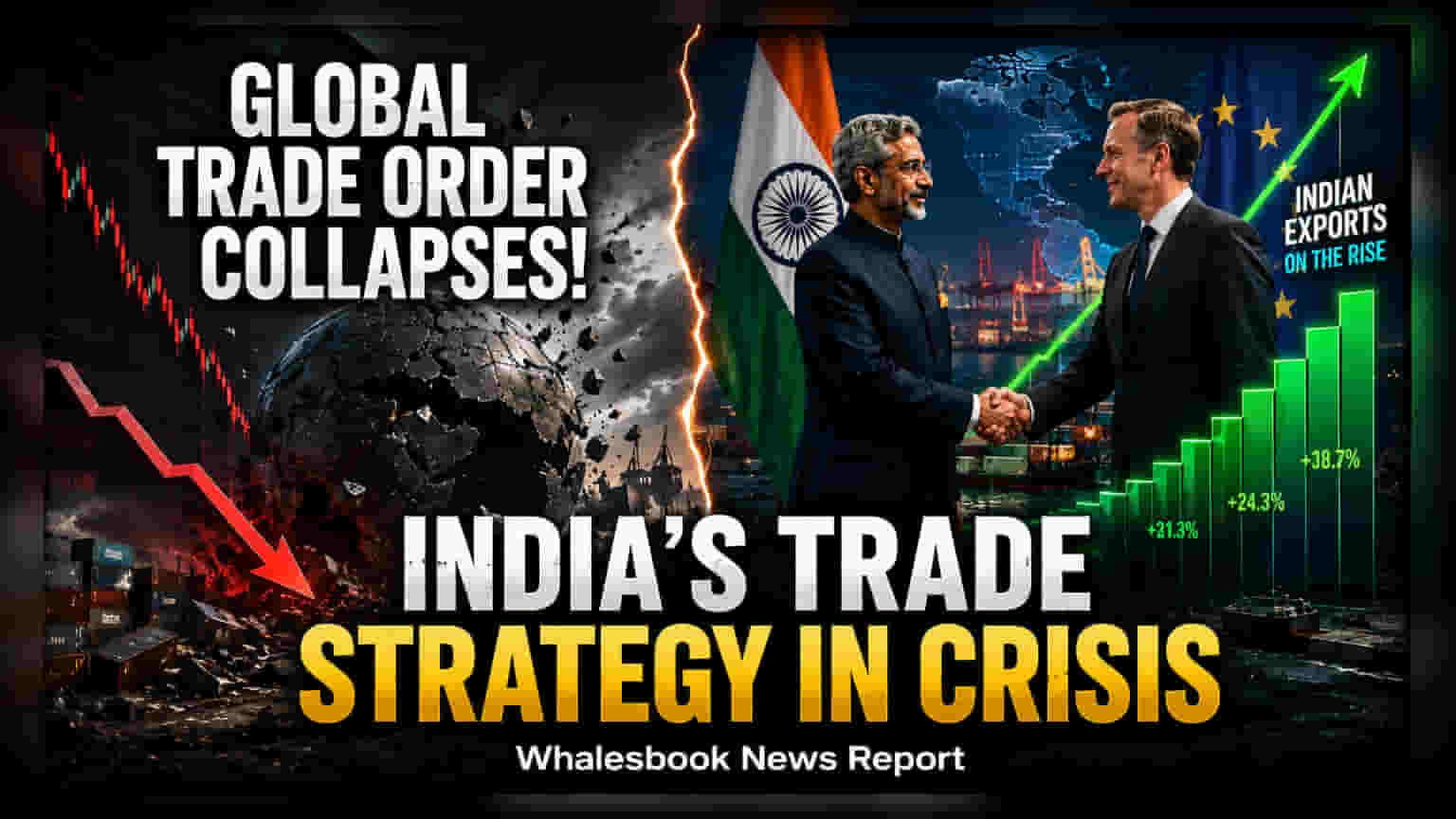
The India-UK trade agreement comes into force today, aiming to reduce barriers and boost economic ties. For investors, the deal represents a shift toward deeper integration with Western markets as India navigates complex global trade dynamics and persistent deficits. Success will depend on the actual impact on exports and the ability to manage sector-specific trade balances.
The India-UK trade agreement officially took effect on July 15, 2026, marking a significant milestone in New Delhi’s strategy to secure market access through bilateral partnerships. This agreement arrives at a time when the broader global trade environment is facing uncertainty, with traditional multilateral institutions experiencing increased friction and a rise in protectionist policies worldwide.
Strategic Shift to Bilateral Pacts
India has been actively pivoting toward bilateral trade pacts, a strategy that gained momentum after the nation opted out of the Regional Comprehensive Economic Partnership in 2019. By focusing on targeted agreements with Western nations, India aims to foster deeper economic integration that goes beyond simple tariff reductions. These pacts are designed to encourage capital investment and facilitate human capital exchanges, which are essential for long-term growth in sectors ranging from technology to manufacturing.
Impact on Trade Balance and Export Outlook
For the Indian economy, the success of such agreements is often measured by their ability to help bridge the country’s persistent trade deficit. While the India-UK deal is expected to provide a boost to specific export-oriented industries, structural challenges remain. A notable concern for market analysts and policy observers is the widening trade gap with certain manufacturing hubs like China. Unlike bilateral agreements that offer controlled market access, a purely free-market approach to trade with China presents complexities that these pacts are still evolving to address.
Risks in a Fragmented Trade Landscape
The move toward a series of bilateral deals rather than a single universal trade framework carries inherent risks. Because these agreements are negotiated on a case-by-case basis, they may lack the flexibility of broader multilateral systems. As global competitive advantages shift, industry leaders and investors must monitor whether these agreements can adapt quickly enough to changing demand patterns. There is also the potential for competitive domestic sectors to face pressure if imports increase faster than the gains achieved through new export avenues.
Monitorables for the Market
Investors tracking this development should look for tangible results in the coming quarters, specifically in export data for key sectors involved in the India-UK pact. The primary monitorable will be the actual utilization of these trade concessions by Indian companies and whether they lead to a measurable reduction in the trade deficit over time. Additionally, the government’s progress in negotiating similar agreements with other major economies will be a key indicator of India’s ongoing trade strategy and its influence in advocating for more stable global commercial standards.