

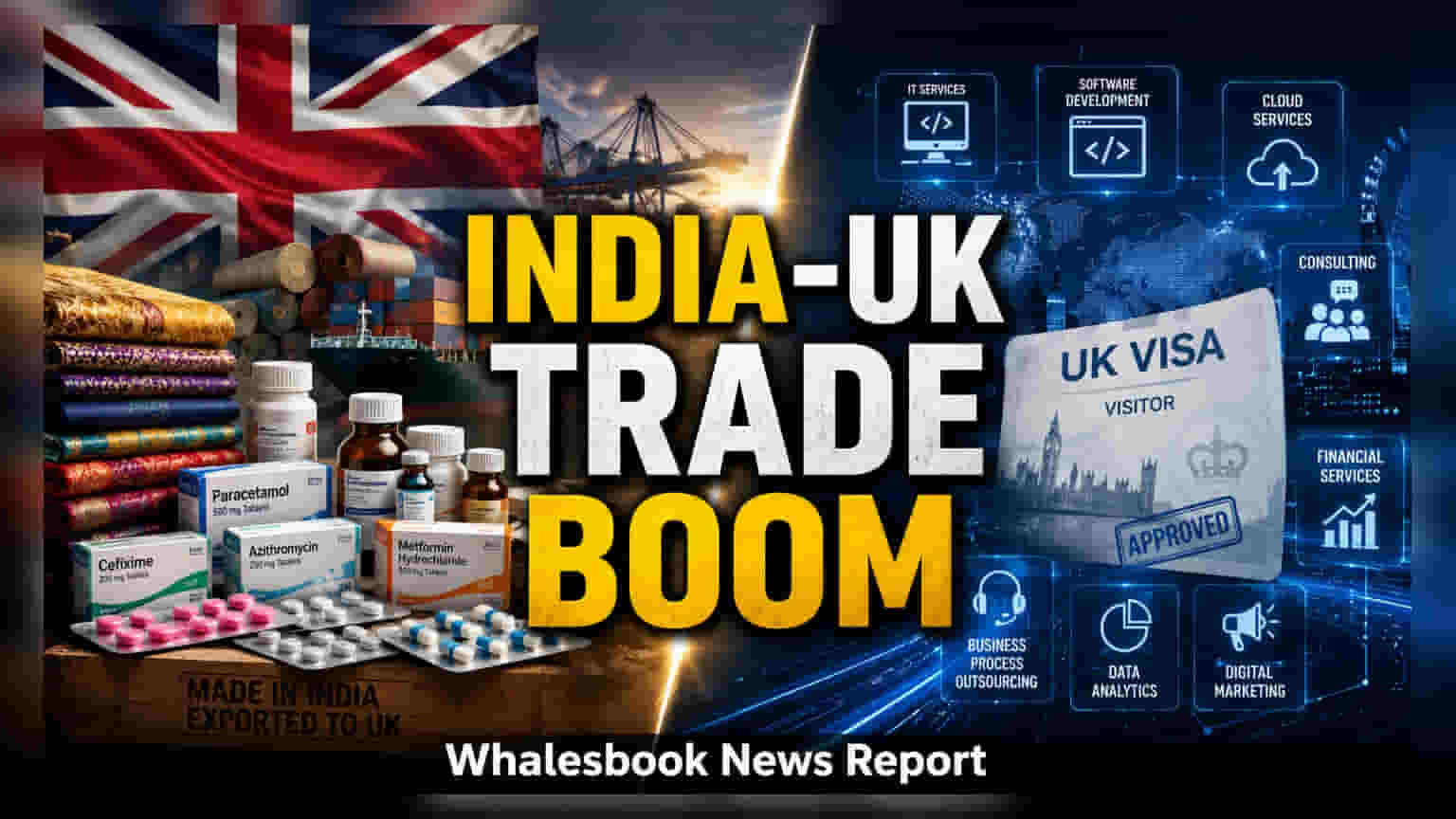
The India-UK Free Trade Agreement officially commenced today, enabling duty-free access for many Indian exports like textiles, leather, and engineering goods. The pact includes a social security agreement expected to save Indian companies over $600 million annually in National Insurance payments. This trade milestone aims to increase bilateral trade and simplify business operations for professionals and service providers.
The Comprehensive Economic and Trade Agreement between India and the United Kingdom officially came into effect today. This trade pact marks a major shift in bilateral economic relations, targeting a significant increase in trade volume and streamlining business processes for both nations. For Indian investors, the deal holds meaningful implications across several key manufacturing and service-oriented sectors.
Export Advantages and Tariff Structure
Under this new agreement, many Indian goods will now enjoy duty-free access to the UK market. Sectors set to benefit from this zero-tariff regime include textiles, footwear, leather products, pharmaceuticals, and engineering goods. By removing these trade barriers, Indian companies in these segments may improve their price competitiveness against global rivals in the UK market. However, the agreement protects domestic interests by excluding sensitive agricultural products, dairy, and cereals from these tariff concessions. While India will also reduce duties on specific items like cars, the phased implementation and exclusions reflect a strategic approach to balancing import competition.
Benefits for the Service Sector and Global Capability Centers
Beyond goods, the agreement creates a structured framework for the digital delivery of services. This is particularly relevant for India's growing ecosystem of global capability centers, which often serve as international hubs for multinational corporations. The deal also establishes a more predictable visa regime, which is intended to reduce administrative hurdles for Indian professionals traveling to the UK for business. These changes may improve the operational ease for Indian IT and professional service firms, helping them better integrate with their UK-based clients.
Financial Impact of the Social Security Pact
The agreement introduces a Double Contribution Convention that addresses a long-standing financial burden for companies with staff in both countries. Previously, Indian employees and their employers were required to contribute approximately 23% of salaries toward the UK National Insurance system while working there temporarily. By exempting these employees from double contributions for up to five years, the deal is expected to result in annual savings of more than $600 million. This move directly benefits over 900 Indian employers and roughly 75,000 workers, potentially improving cash flow and reducing the cost of international assignments for Indian firms.
Investors should track how individual companies across these sectors communicate the impact of these changes on their export margins and operational costs in upcoming quarterly results. While the overall framework is set, the long-term benefit will depend on how quickly businesses can adapt their supply chains to meet the specific rules of origin required to qualify for these new tariff advantages.