 Whalesbook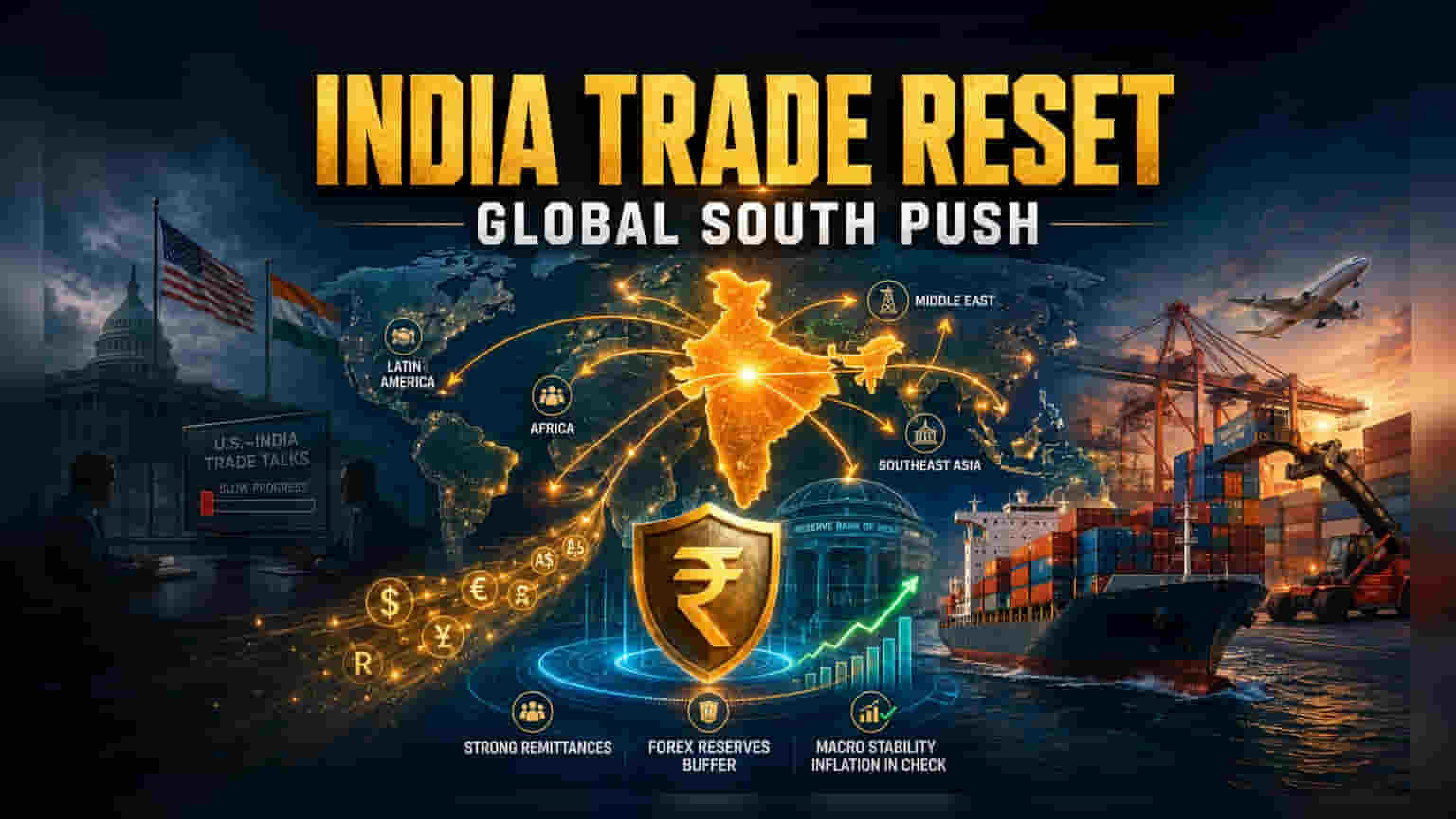


The Strategic Pivot from Calendar-Based Diplomacy
The recent pivot away from fixed timelines for U.S. trade negotiations marks a clear departure from previous attempts at rapid, headline-driven breakthroughs. By signaling that external pressure will not dictate the tempo of bilateral agreements, the Ministry of Commerce is effectively signaling to domestic manufacturers that the government is willing to trade short-term political wins for structural concessions. This shift occurs as global supply chain realignment forces India to balance its reliance on Western export markets with the necessity of securing affordable access to technology and raw materials.
Global Market Diversification and Export Architecture
Beyond the bilateral discourse with Washington, the broader push for preferential trade agreements throughout the Global South represents an attempt to insulate the domestic economy from potential protectionist policies in developed markets. This multi-continental strategy aims to build a redundant trade infrastructure that minimizes the impact of localized trade disputes. By targeting growth in emerging economies, India is not merely seeking new buyers but is attempting to integrate into regional value chains where its manufacturing cost structure remains highly competitive compared to established Southeast Asian alternatives.
Remittance Flows and Macroeconomic Buffer
The reliance on record remittance levels reaching over $137 billion functions as a critical shock absorber for the current account deficit. This massive liquidity inflow provides the Reserve Bank of India with a significant cushion, allowing it to maintain a stable rupee despite fluctuations in global crude oil pricing and volatile gold import volumes. While skeptics point to the potential for imported inflation if commodity prices spike, the current import cover of ten months provides a defensive perimeter that few emerging market peers can currently claim. This financial stability is a prerequisite for the government’s stated ambition of scaling domestic manufacturing through aggressive infrastructure investment.
Structural Risks and the Execution Gap
The primary challenge remains the execution of this high-stakes balancing act between welcoming foreign capital and enforcing strict national interest requirements. While the openness to investment from diverse sources is a tactical necessity to bridge the domestic capital gap, it introduces complex regulatory oversight requirements. Past friction regarding investment screening processes suggests that foreign capital may remain cautious until the government provides greater clarity on what constitutes a alignment with national interest. Furthermore, the reliance on high remittance volumes creates an underlying dependency on the economic health of the Indian diaspora in the Gulf and Western nations, leaving the balance of payments somewhat exposed to labor market shifts abroad.