 Whalesbook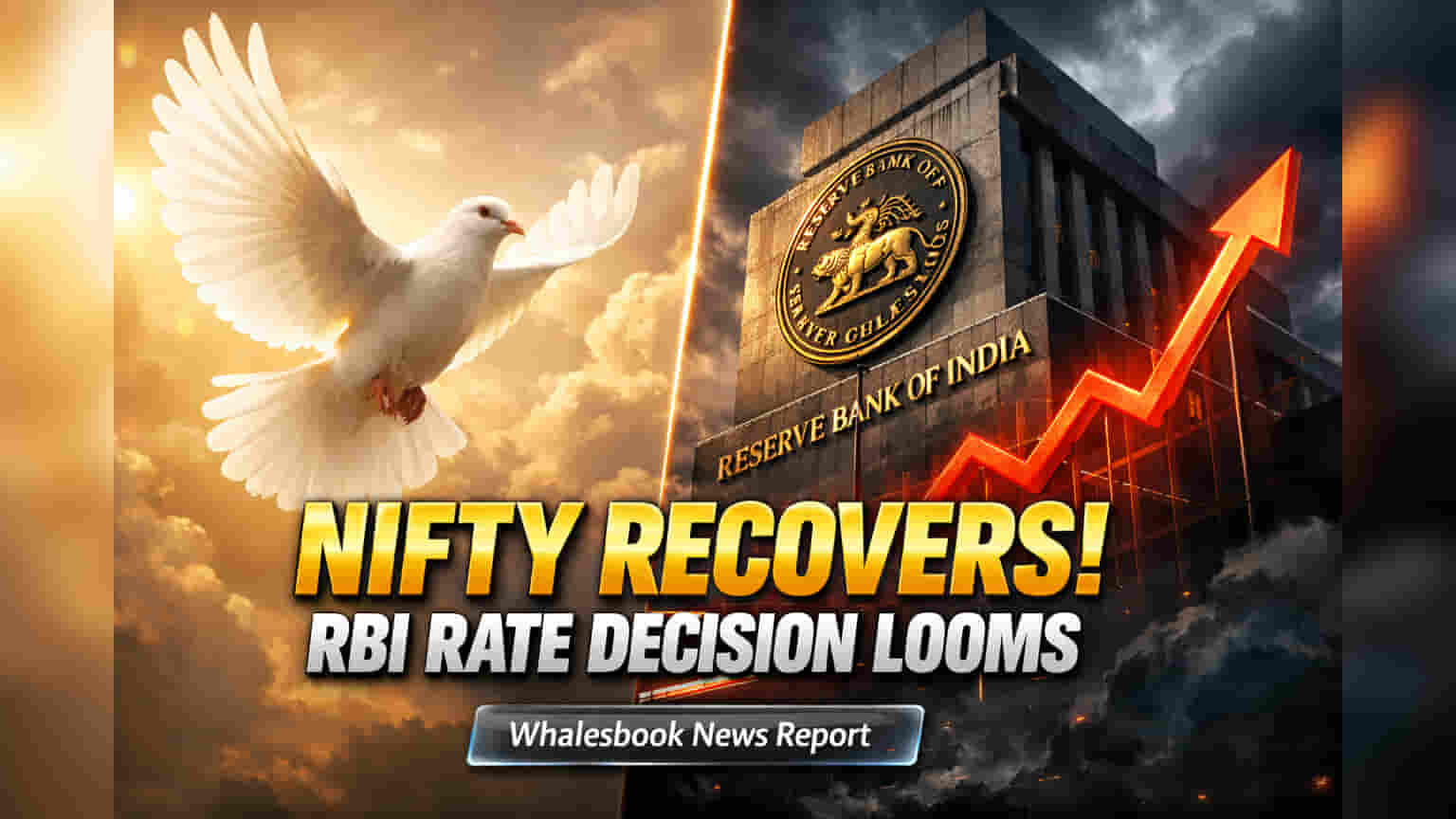


India Stocks Climb on Ceasefire Hopes, Await RBI Policy
Indian benchmarks, including the Nifty 50, have gained ground in early April 2026, with the index nearing 23,000 points. This rally on April 6th and 7th was largely driven by hopes for a ceasefire in the Middle East. This optimism led to a drop in crude oil prices. Brent crude futures eased, reducing worries about India's import costs and company profit margins, which are sensitive to energy prices. The market's positive response highlights how geopolitical calm can boost investor confidence, particularly for a major oil importer like India.
RBI Policy Decision Nears
The Reserve Bank of India's Monetary Policy Committee (MPC) is scheduled to announce its decision on April 8, 2026. Most economists expect the central bank to keep the repo rate unchanged at 5.25%, maintaining its neutral policy stance. This follows previous rate cuts and a pause in February 2026, signaling a preference for stability. However, the RBI's statement is anticipated to raise inflation forecasts and potentially lower GDP growth projections. This reflects the impact of higher imported inflation from rising crude oil prices and currency pressures. Market participants will be watching the RBI's comments on inflation and growth closely. Historically, the RBI holding rates steady after a series of cuts has often benefited rate-sensitive sectors like banking, potentially boosting the Bank Nifty index.
Economic Snapshot and Investor Activity
India's economy shows strong underlying fundamentals, projected to remain the fastest-growing major economy in 2026. However, global uncertainties, including geopolitical tensions and potential trade policy changes, continue to create pressure. Foreign Institutional Investors (FIIs) have continued their trend of net outflows in early April 2026, acting as a drag. In contrast, Domestic Institutional Investors (DIIs) are actively investing, providing essential support. The Nifty 50's valuation, with a trailing P/E multiple near its long-term average of about 18.9x, indicates the market is trading at fair to average levels, though it remains exposed to external shocks.
Sectoral Performance and Trends
Recent market movements reveal varied sector performance. The IT and Banking sectors have led the recovery, supported by positive global tech spending forecasts and expectations of stable interest rates. PSU Banks and Realty have also shown strength. The Oil and Gas sector, however, faced pressure due to its direct link to energy price fluctuations. Past market trends, such as those following the Russia-Ukraine conflict, suggest that sectors like Auto, Metals, and Financials often lead recovery phases.
Lingering Risks and Bearish Concerns
Despite optimism from ceasefire hopes, significant risks remain. The geopolitical situation is still uncertain, and any renewed conflict could quickly reverse recent gains, driving crude oil prices up and reviving inflation worries. The RBI faces a difficult task: supporting economic growth while fighting imported inflation, which could hurt profit margins and consumer spending. Ongoing selling by FIIs points to broader caution among global investors about emerging markets, possibly due to fears of a global growth slowdown or specific country risks, which could cap the upside for Indian stocks. While valuations have adjusted, geopolitical uncertainty and potential cuts to earnings forecasts could keep stock multiples from rising significantly, limiting the potential for a strong, sustained rally.
Analyst Outlook and Key Catalysts
Analysts suggest caution, warning that the current market rebound doesn't signal an end to volatility. The rally's sustainability hinges on continued de-escalation in West Asia, stable crude oil prices, and steady positive investor inflows. Investors will closely monitor the RBI Governor's remarks for guidance on future policy, especially concerning inflation targets and growth forecasts, which are key to navigating the global economic climate. A recent cut in Nifty 50 EPS estimates for FY27 by Motilal Oswal highlights potential challenges to future earnings.