

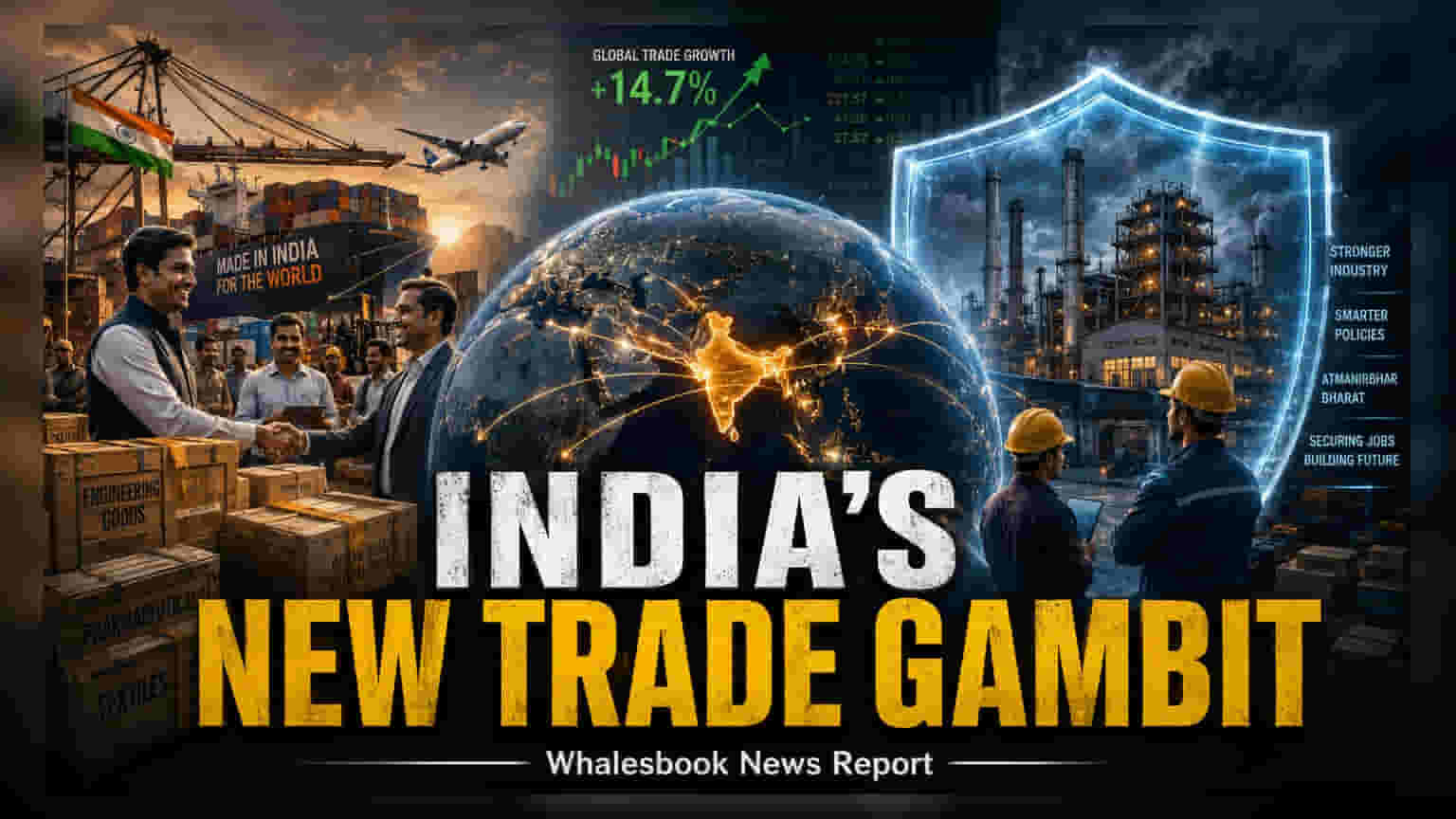
India has officially signed the terms to begin a targeted trade deal with the South African Customs Union. This move marks a strategic shift toward Preferential Trade Agreements (PTAs) to boost exports while protecting local manufacturers from cheap imports. Investors should watch how these deals impact export-heavy sectors like automobiles and textiles that are currently facing trade barriers.
India has officially signaled a major shift in its trade policy, moving away from broad Free Trade Agreements (FTAs) toward narrower, more targeted Preferential Trade Agreements (PTAs). As of August 12, 2026, the government has signed the Terms of Reference for a new PTA with the South African Customs Union (SACU). This agreement is a calculated step to provide specific market access to Indian exporters without the downside of exposing domestic industries to a flood of cheap, duty-free imports.
This strategic shift is a response to the complexities of global trade. While broad FTAs with developed nations—such as those India has signed in recent years—can open up large markets, they often require lowering tariffs on a vast array of goods. This can sometimes hurt domestic manufacturers who cannot compete with low-cost imports. By opting for PTAs, the government aims to pick specific categories of goods where Indian industry has a competitive advantage, allowing for trade growth while maintaining protection for sensitive sectors like textiles, steel, and automobiles.
A key driver for this policy change is the need to navigate specific trade barriers that have cropped up recently. For instance, Mexico’s decision to hike import tariffs by up to 50% on over 1,400 product categories, effective January 1, 2026, has created significant headwinds for Indian exporters. Sectors like automobiles and auto components, which rely on steady access to international markets, have felt the impact of these higher costs. A targeted PTA with countries like Mexico is now a priority, serving as a diplomatic and economic tool to negotiate relief for these specific industries rather than waiting for a broader, potentially slower, trade negotiation.
However, investors should keep in mind that PTAs are not a quick fix for export growth. Unlike comprehensive agreements, these deals are limited in scope and cover only a select list of products. This means the overall impact on the national export target—aimed at $1 trillion by FY27—will be gradual. Furthermore, negotiations with blocs like Mercosur and SACU have historically taken considerable time, sometimes spanning several years before the final benefits reach the balance sheets of Indian companies.
The real benefit for investors will depend on the final product list included in these agreements. If the government succeeds in securing lower duties for high-value items, it could improve margins for export-oriented manufacturers in the auto and engineering sectors. The next important step for the market to track is the timeline for the SACU negotiations, which are expected to wrap up within one year, as well as any official updates on the progress of talks with Mexico and Kenya. The ability of the government to finalize these agreements without conceding ground on sensitive domestic manufacturing will be the key factor determining the success of this new policy shift.