

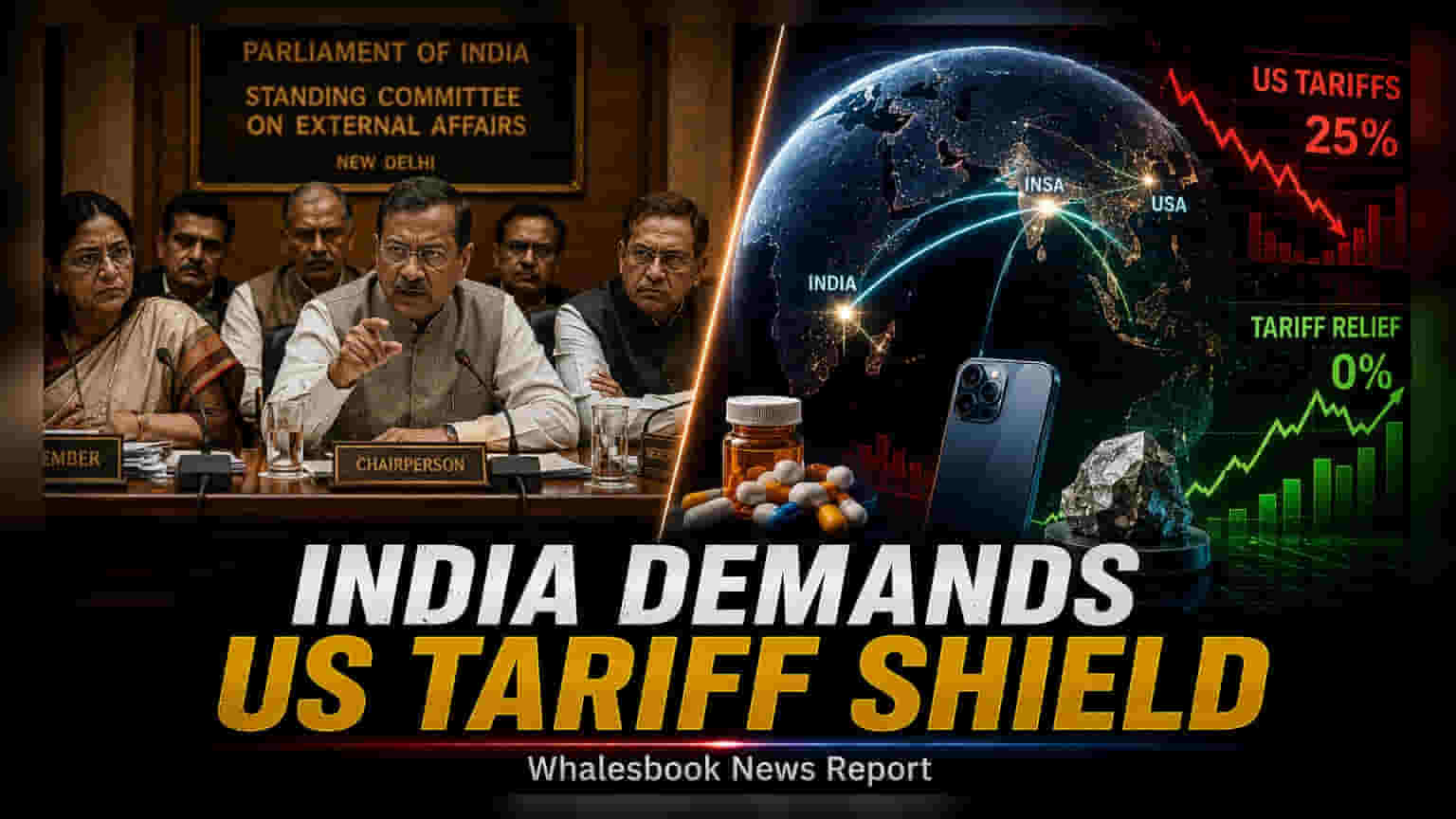
A parliamentary panel has urged the government to secure tariff exemptions from the U.S. for pharmaceuticals, smartphones, and critical minerals. This recommendation addresses a proposed U.S. tariff roadmap that could see duties on generic drugs rise to 200% by 2029. The situation poses a significant risk to export margins and investment sentiment for Indian manufacturers who supply nearly half of all generic prescriptions in the U.S.
A parliamentary standing committee on commerce presented its report to Parliament on August 6, 2026, calling for urgent negotiations with the U.S. to secure protection for key Indian export sectors. The committee, led by Member of Parliament Dola Sen, specifically recommended that the government seek full exemptions from future U.S. tariff actions on pharmaceuticals, smartphones, and critical minerals.
This recommendation arrives at a critical time for Indian exporters, particularly in the pharmaceutical industry. Reports have highlighted a proposed U.S. tariff roadmap that targets generic drug imports. Under this proposal, duties would remain at 0% until August 1, 2028, but would then surge to 100% for a year, reaching 200% from August 1, 2029. Given that India supplies nearly half of all generic prescriptions in the U.S., any materialization of these duties could severely impact export revenues and squeeze profit margins for major Indian drug manufacturers.
The committee also advised the government to establish a dedicated watch desk under the Directorate General of Foreign Trade. This unit would monitor U.S. customs procedures in real-time to alert Indian businesses to sudden shifts in trade policy. The broader goal is to accelerate the conclusion of the proposed Bilateral Trade Agreement with Washington, aiming for a total trade volume of $500 billion by 2030.
Potential Risks and Market Impact
The uncertainty surrounding these potential tariffs creates several risks for investors. First, the threat of high duties introduces long-term margin pressure. Indian exporters are already grappling with increased freight costs and transit times due to shipping disruptions in the Middle East, and the potential for added tariff costs could further strain profitability.
Second, the prolonged uncertainty regarding trade policy may dampen investment sentiment, especially for smaller businesses involved in value-added goods. If companies cannot predict their future tax costs, they may hold back on capital spending or capacity expansion. Investors will likely monitor the progress of the Bilateral Trade Agreement and any official responses from the U.S. government regarding these tariff proposals, as they will directly influence the export outlook for the pharmaceutical and technology sectors in the coming years.