

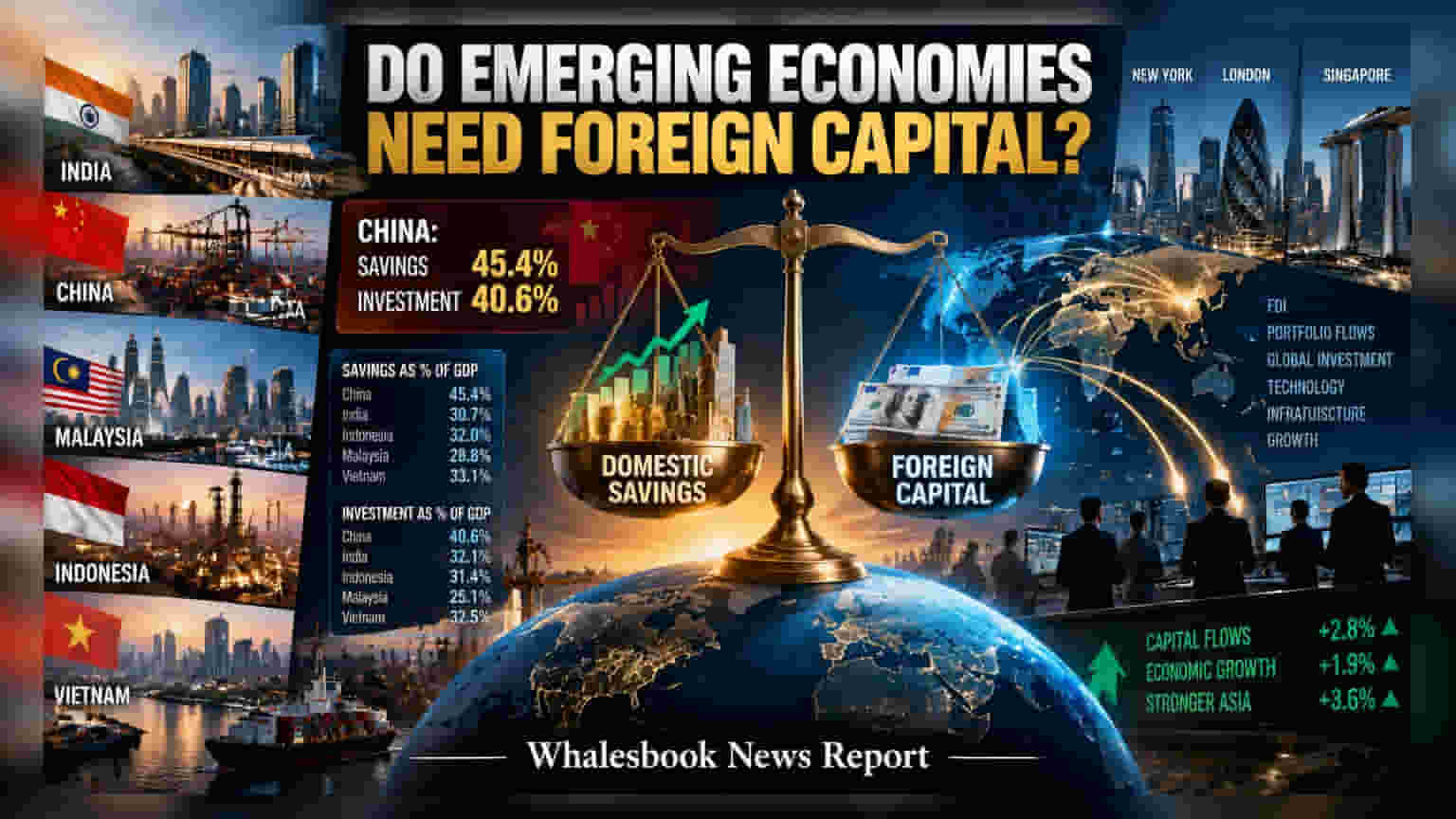
India is balancing the need for foreign capital with tighter regulatory oversight on offshore investments. While the government aims to boost inflows to support growth, foreign ownership in local stocks has hit a 15-year low of 17%. Investors should monitor how these shifting policies impact compliance and liquidity in the coming months.
For decades, the standard economic belief has been that developing economies like India require consistent inflows of foreign capital to bridge the gap between domestic savings and the investment needed for growth. However, this narrative is undergoing a significant shift as India balances the desire for global funds with the need for tighter financial oversight.
Recent policy moves by the Reserve Bank of India (RBI) and the government show a two-fold strategy. On one hand, there is a clear push to attract fresh foreign capital to combat inflation and support economic growth, with recent government measures aiming to bring in substantial inflows. On the other hand, regulators like the Securities and Exchange Board of India (SEBI) and the RBI are increasing their scrutiny of overseas investments. This closer look is designed to ensure transparency, prevent the misuse of offshore routes, and protect currency stability.
This trend is reflected in the current market ownership data. Foreign ownership in Indian equities has declined to approximately 17%, reaching its lowest level in nearly 15 years following consistent outflows observed between September 2024 and June 2026. This decline suggests that the domestic economy is increasingly relying on local resources rather than external funding to sustain investment, a trend seen in other developing economies where domestic savings often match or exceed investment requirements.
The practical impact of this regulatory focus is visible in how businesses approach international funding. Companies are facing higher compliance standards when dealing with cross-border investments, particularly concerning opaque structures that regulators are keen to regulate. The government is also reviewing bilateral investment treaties and considering relaxing norms for downstream investments to improve the overall investment climate while maintaining security.
For investors, this environment creates a complex reality. While foreign investment remains crucial for technology transfer, expertise, and project-specific financing, the era of relying solely on massive, unchecked foreign inflows is changing. The focus has moved toward sustainable capital that complies with domestic regulatory standards. The potential risks for the economy include sensitivity to currency depreciation and external pressures, which regulators are attempting to manage through these oversight measures.
The next steps for market participants involve tracking how these policy changes play out. Investors should monitor upcoming announcements regarding Foreign Direct Investment (FDI) norms and trade policies, as these will directly influence how capital enters the market. Additionally, watching trends in foreign portfolio flows and regulatory updates on compliance requirements will be important for understanding the future liquidity and valuation of the Indian market.