

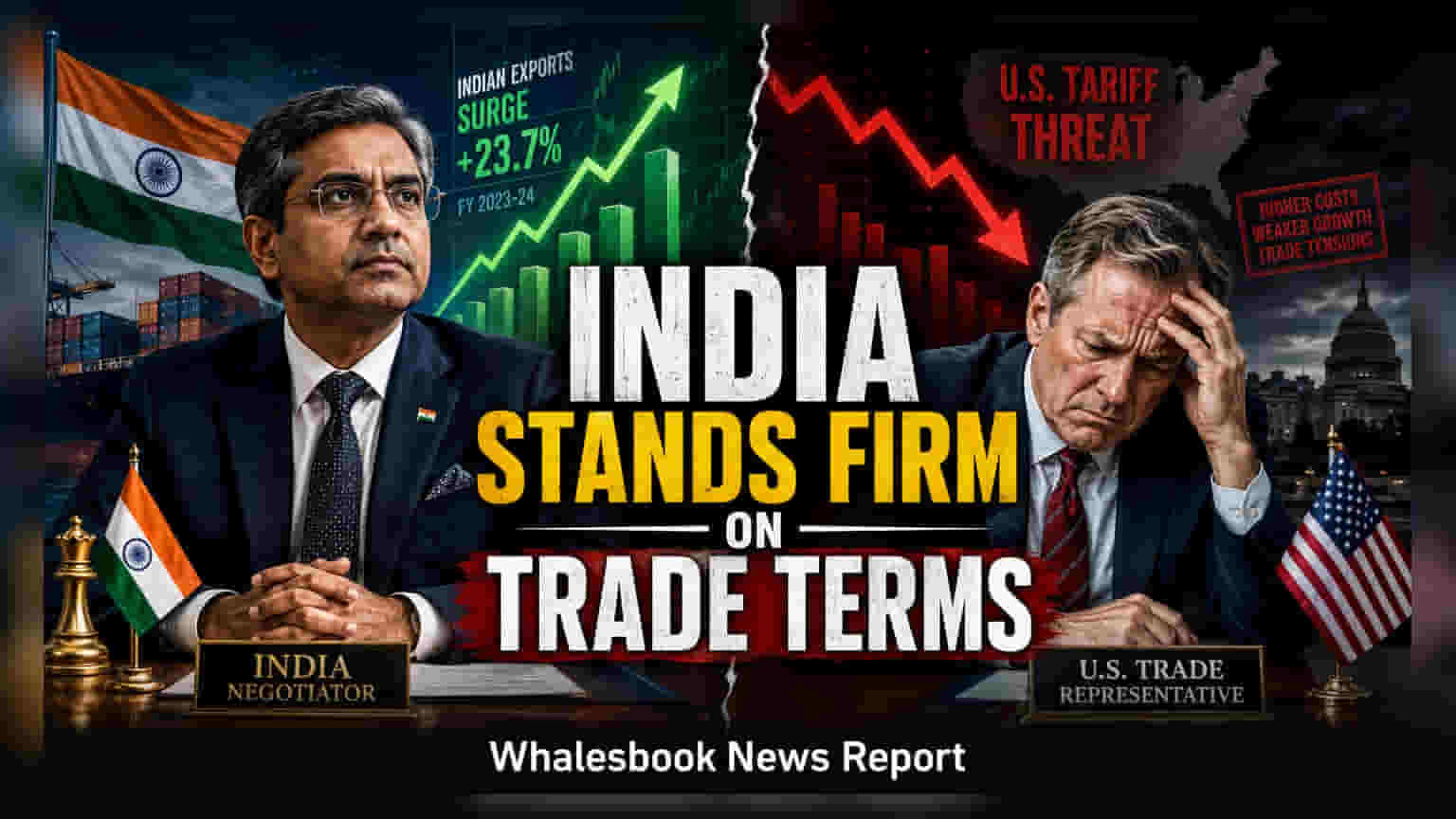
India has declined a quick trade agreement with the United States, prioritizing long-term favorable terms over immediate concessions. New Delhi aims to maintain its current tariff advantages while avoiding potential new U.S. levies. Investors should monitor how this stance impacts export-heavy sectors amid the threat of higher duties on goods entering the American market.
India is maintaining a firm position in ongoing trade negotiations with the United States, choosing to forgo a quick, interim deal to secure more beneficial terms. Government officials have signaled that New Delhi is unwilling to compromise on key demands, such as maintaining preferential tariff status over competitors and ensuring protection from potential new U.S. levies. This decision highlights a shift toward a more cautious bargaining strategy, even as the risk of increased trade duties on Indian exports remains a reality.
Impact of Potential US Tariff Hikes
The current trade environment remains uncertain as the U.S. administration considers implementing new tariffs to address industrial overcapacity concerns. While most Indian goods currently face a 10% tariff in the U.S., there are discussions regarding additional duties of up to 12.5% on various nations, including India, based on labor and industrial policy investigations. For Indian exporters, particularly in segments like textiles, engineering, and chemicals, the outcome of these negotiations is critical. A failure to secure an agreement could lead to increased cost pressures for companies that rely heavily on the U.S. market, potentially impacting profit margins if these added costs cannot be passed on to customers.
Economic Strength and Alternative Trade Routes
India’s confidence in its current negotiation stance is supported by a solid economic performance. During the April-June 2026 quarter, merchandise exports recorded an approximate 15% year-on-year increase, driven partly by higher petroleum shipments and a recovery in trade with Gulf nations. Furthermore, the diversification of trade partners through ongoing discussions for free trade agreements with the U.K. and the E.U. is helping to reduce dependence on any single market. The recent upward revision of India’s 2026 growth forecast to 6.8% by international analysts further underscores the country's economic resilience, while a competitive rupee has provided some support to export-led growth.
Regulatory and Political Considerations
The Indian government is also carefully evaluating the legal landscape in the U.S., where some proposed trade measures have faced opposition from Democratic state attorneys general. By avoiding a rushed deal, New Delhi aims to protect sensitive domestic sectors, such as agriculture and small-scale manufacturing, which are significant to the local economy. Analysts suggest that the potential costs of committing to an unfavorable trade pact could outweigh any short-term benefits of temporary tariff relief. The primary monitorable for investors going forward will be any new developments regarding U.S. tariff announcements and whether both nations return to the negotiating table with revised terms that address India's core requirements.