 Whalesbook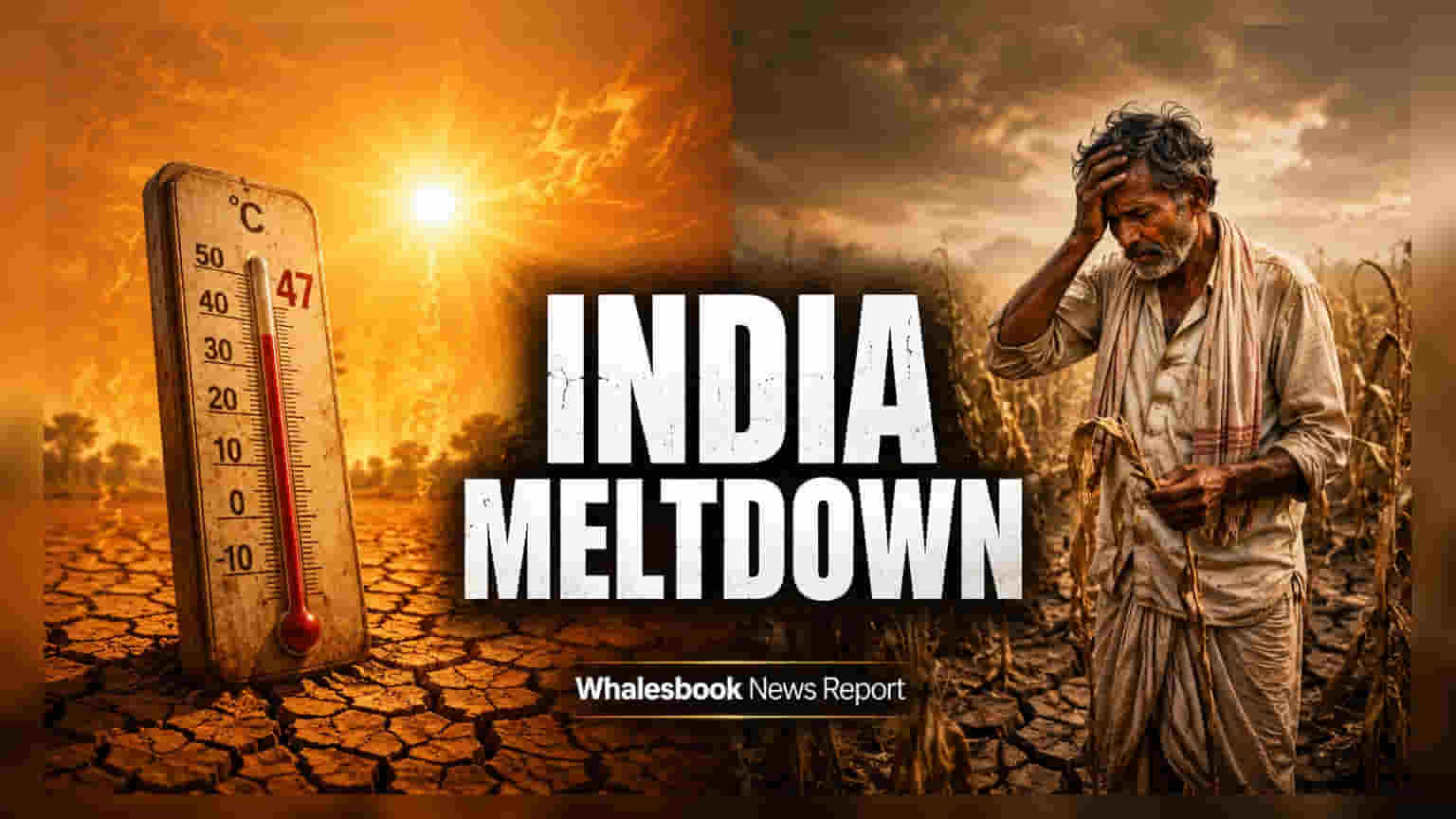


India's Scorching Summer Crisis
India is battling an extreme summer, with temperatures frequently soaring above 45 degrees Celsius (113 degrees Fahrenheit). Akola, Maharashtra, recorded a peak of 46.9C on April 26, underscoring the intensity of the heatwave across the nation. This severe heat has been linked to an increasing number of deaths, affecting essential workers like census staff and voters during recent elections, as well as people traveling. In late April, nearly all of the world's 50 hottest cities were located in India.
Health and Food Security Under Threat
The health effects of this intense heat go beyond heatstroke. Studies show rises in kidney injuries, sleep disruption, and the worsening of existing chronic conditions like diabetes, respiratory issues, and mental health problems. Agricultural output is severely hit, with farmers struggling to work and livestock suffering from extreme heat stress, leading to widespread crop failures. The United Nations has warned of significant strain on global food supplies.
Environmental Policy and Disaster Designation
While precise figures for heat-related deaths are still being compiled, the 16th Finance Commission has recommended classifying heatwaves as national disasters to streamline aid and compensation. However, bureaucratic delays may be hindering these efforts. Environmental advocates are also criticizing the widespread felling of trees in many urban areas affected by heat, often for infrastructure projects, which removes vital natural cooling.
Inequality and Climate Data Concerns
The current heat crisis highlights and worsens existing social inequalities. Impoverished and marginalized communities, lacking resources for air conditioning or escape, are hit the hardest. Harvard's South Asia Institute estimates that nearly 380 million Indians live in conditions exceeding human tolerance for heat. The government's data collection on heat impacts has drawn criticism from experts, with the India Meteorological Department's temperature reporting methods facing scrutiny.
Economic Ramifications of Extreme Heat
India's overall economic outlook is affected by the extreme heat. Agricultural output, a key part of the GDP, is at risk, potentially driving inflation and reducing exports. The energy sector faces higher demand from air conditioner use, straining power grids and risking outages that endanger vulnerable people. Manufacturing and construction also see disruptions due to worker productivity and safety issues. Historically, such extreme weather events have led consumers to cut spending on non-essential items as they prioritize basic needs and coping with the heat.