 Whalesbook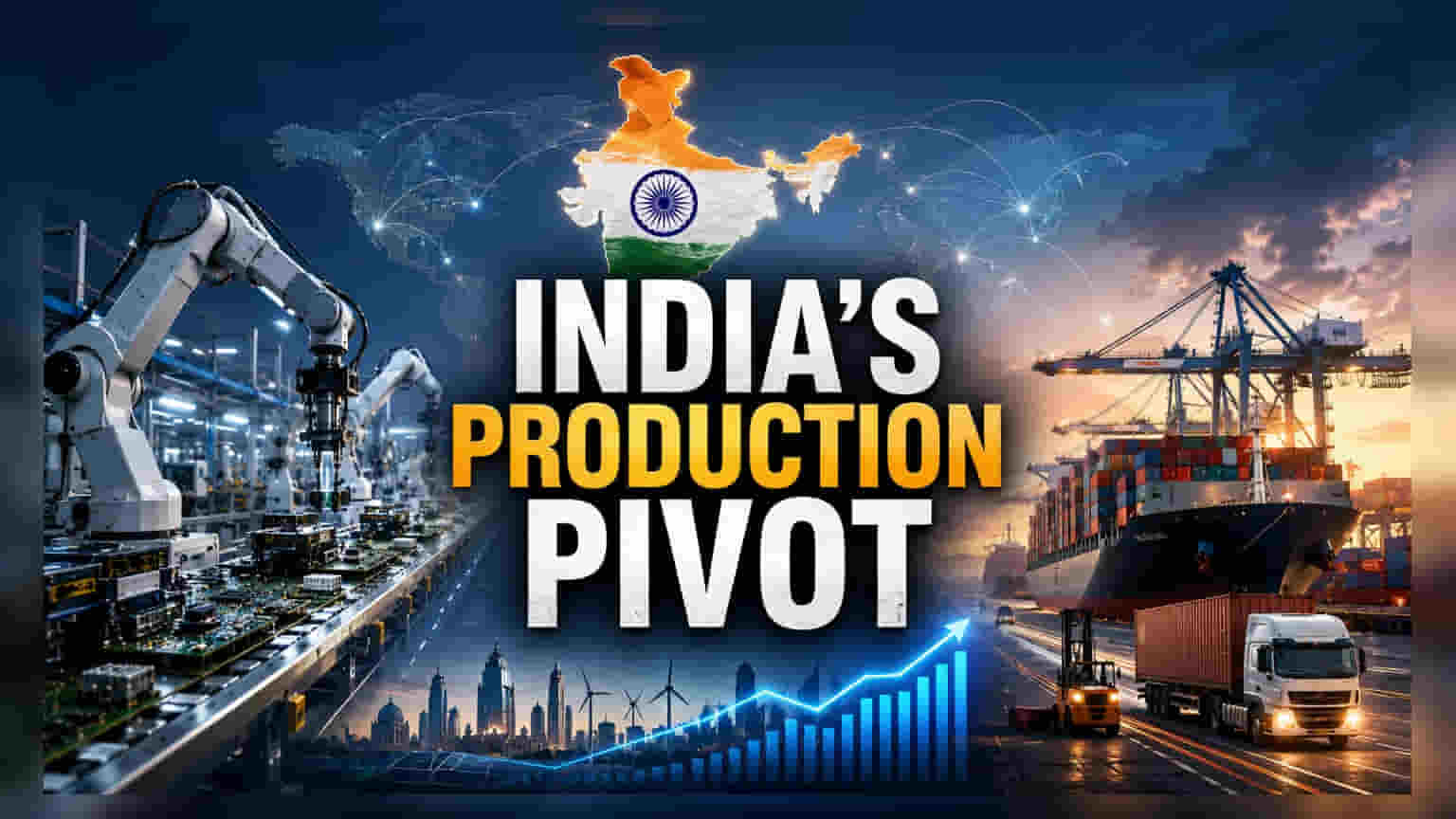


The Shift from Consumption to Production
The narrative surrounding India’s economic trajectory is undergoing a forced migration, moving away from its traditional identity as a massive, aspirational consumer market toward a more demanding role as a global supply chain participant. Commerce Minister Piyush Goyal recently leveraged a major institutional investor forum to articulate this transition, signaling that the government's policy focus has sharpened toward deep manufacturing and domestic R&D. By highlighting success stories like Hyundai and JCB, the administration is attempting to provide a proof-of-concept for foreign investors who remain wary of the friction inherent in large-scale operations in South Asia.
Assessing the Operational Reality
While the government points to the Jan Vishwas Act as evidence of a friendlier regulatory environment, investors are balancing these legislative gains against the realities of operating on the ground. When compared to regional peers such as Vietnam or Mexico, India’s attractiveness hinges on its sheer scale and the size of its domestic talent pool. However, the cost of logistics and the complexity of land acquisition continue to act as friction points that often offset the benefits of localized production. While the government projects a multi-decade expansion, historical data suggests that capital expenditure cycles in the manufacturing sector are highly sensitive to global demand fluctuations, creating a potential divergence between government long-term goals and corporate short-term risk management.
The Bear Case: Structural Dependencies
Critics of the rapid manufacturing push often highlight the persistent trade deficit and the historical difficulty in scaling light manufacturing into high-value innovation. Despite the government’s bullish stance, significant portions of the Indian manufacturing sector remain dependent on imported intermediate goods and components, particularly in the electronics and specialized machinery segments. This reliance leaves domestic production chains vulnerable to currency volatility and external supply chain shocks. Furthermore, while the decriminalization of corporate offenses is a positive signal, many multinational firms remain cautious about the consistency of judicial enforcement and the transparency of tax litigation processes, which have historically deterred long-term capital commitment in the industrial sector.
Market Outlook and Capital Flows
Investment sentiment remains cautiously optimistic, with recent inflows into the manufacturing sector suggesting that some firms are indeed diversifying away from traditional hubs. The next phase of this strategy depends heavily on the successful implementation of large-scale infrastructure projects that can lower the current cost of doing business. As the country aims to solidify its status as a top-tier investment destination, the focus will likely shift from policy announcement to execution metrics, specifically tracking actual foreign direct investment (FDI) conversion rates in the hardware and high-tech assembly sectors.