

India is on track to represent 9.7% of the world's economy by the end of the decade, according to new analysis. While China and the US hold larger global shares, India's steady growth in savings and investment indicates its rising influence. This shift offers a broader view of how developing nations are restructuring the global economic balance.
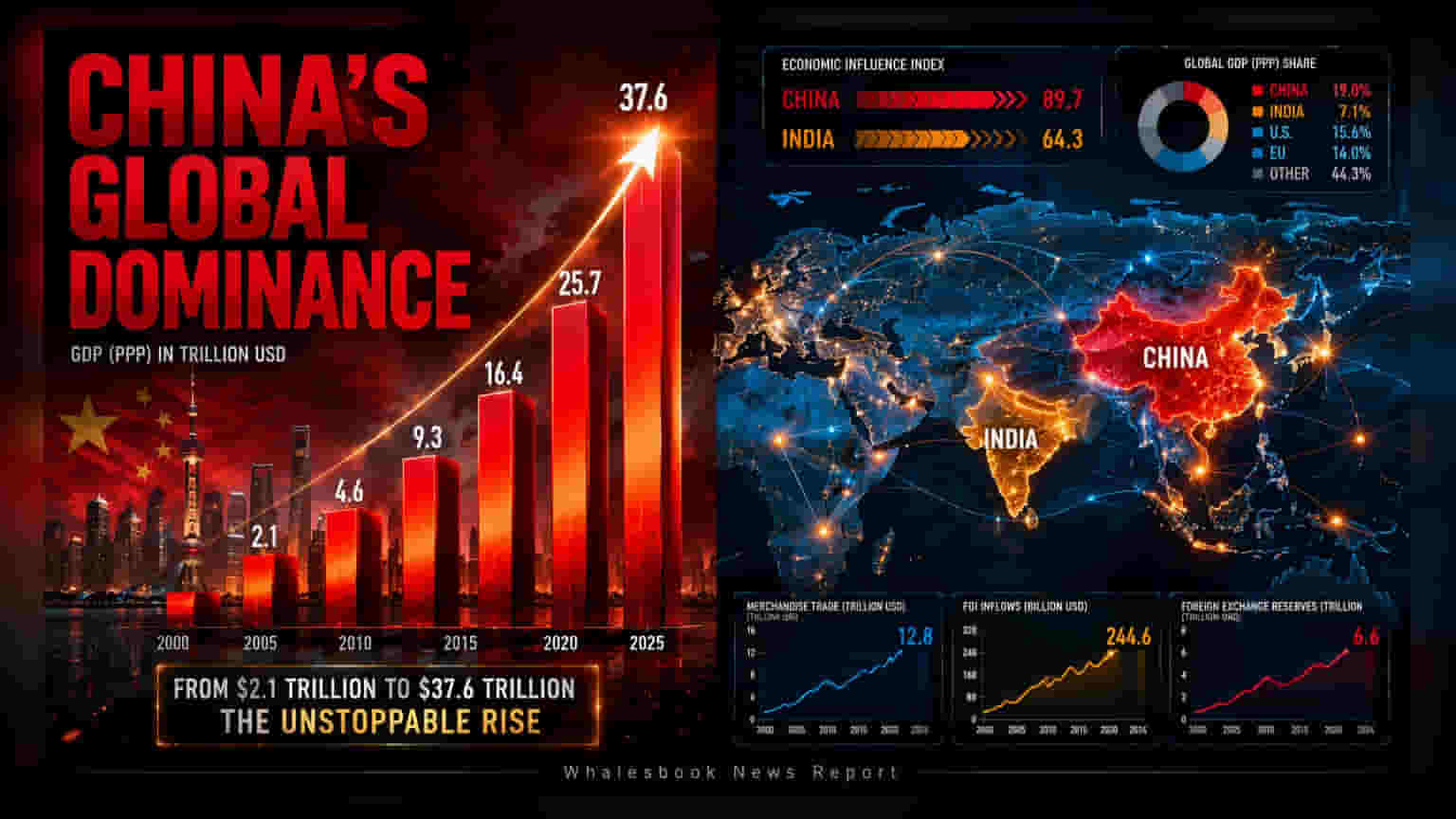
A recent working paper published by the Economic Advisory Council to the Prime Minister (EAC-PM) highlights a major shift in the global economic balance. Using purchasing power parity—a method that adjusts for differences in the cost of living and purchasing power between nations—the study shows how China has grown from a 4% share of global output in 1992 to nearly 20% today. This growth makes China a major contributor to global investment, currently accounting for about 30% of total world capital allocation.
India's Economic Trajectory
India has demonstrated a consistent upward trend in its global standing. The data indicates that India is set to reach an 8.2% share of world GDP in 2025. Projections from the International Monetary Fund further suggest that this share is expected to rise to 9.7% by 2030. A key driver of this performance is India’s robust domestic participation in global savings and investment, with the country’s contribution now exceeding 10% in these categories. This is an important indicator for investors as it points to strong local capital formation, which often supports long-term infrastructure and industrial development.
Global Power Dynamics and Comparisons
The report also details the evolving position of established economies. While the United States remains a central economic power with a 14.6% share of world GDP in 2025, its relative lead has changed compared to 1992, when it held a 20% share. Meanwhile, European nations have experienced a gradual reduction in their relative global economic footprint across several indicators. China has now moved into the position the United States held three decades ago, effectively changing the structure of international trade and investment influence.
What This Means for Investors
For investors, these trends reflect a long-term transition toward emerging economies. While global figures provide a high-level view, the core monitorable for India remains its ability to sustain high levels of domestic savings and investment. As the country moves toward a nearly 10% share of global output, the focus for market participants will likely remain on how effectively this capital is deployed into productive sectors such as manufacturing, technology, and infrastructure. Investors tracking these macroeconomic shifts may observe how government policy and industrial efficiency continue to influence the speed of this growth throughout the remainder of the decade.