

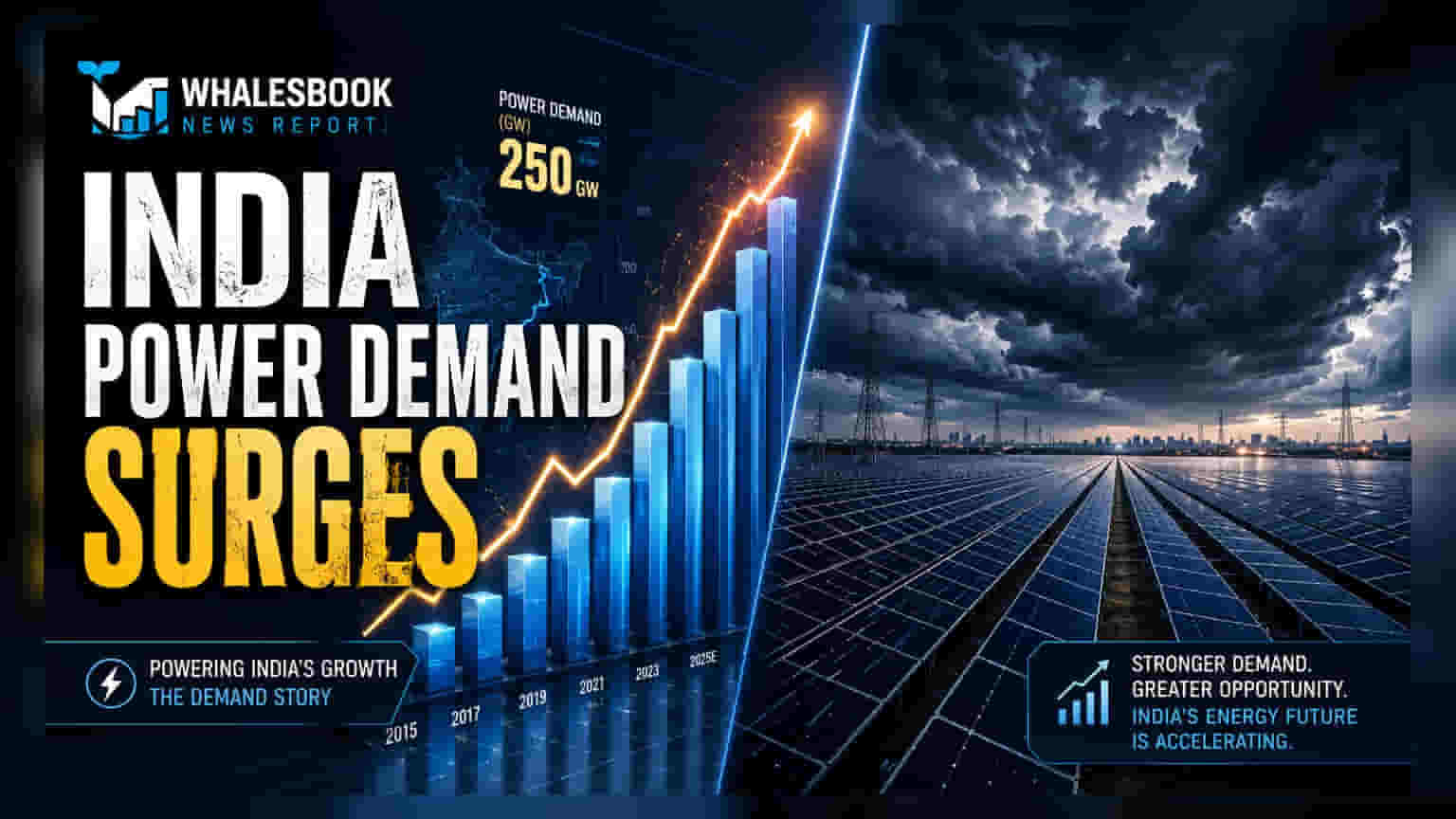
India's electricity demand is projected to grow 6% annually for the next five years, fueled by rapid renewable energy expansion. This outlook benefits power equipment makers and independent producers as the nation aims for 500 GW of non-fossil capacity by 2030. Investors are monitoring capacity additions and new energy storage integration.
India’s energy sector is entering a period of sustained growth, with national electricity demand projected to rise by approximately 6% annually over the next four to five years. This trend is supported by an aggressive push toward renewable energy, with research forecasts indicating annual capacity additions of 45 to 50 gigawatts (GW). As the country works toward its target of 500 GW of non-fossil fuel capacity by 2030, both equipment manufacturers and independent power producers are seeing increased activity across the sector.
The momentum is already visible in the early months of fiscal year 2027. Data from the initial two months of the year shows 6.8 GW of solar capacity and 712 MW of wind capacity added to the grid. This rapid pace of development is essential for meeting peak power demand, which climbed to 271 GW in May 2026, compared to 242 GW recorded for the full previous fiscal year.
Drivers of Sector Performance
For domestic solar manufacturers, the current environment offers meaningful opportunities for import substitution as local demand remains strong. Manufacturers are increasingly focusing on backward integration to secure their supply chains and improve cost efficiency. Meanwhile, independent power producers are shifting their focus toward more complex and reliable energy models. These include hybrid projects that combine wind and solar, as well as Firm and Dispatchable Renewable Energy (FDRE) initiatives, which are designed to provide steady power supply regardless of weather conditions.
The adoption of Battery Energy Storage Systems (BESS) is also playing a larger role in modernizing the power grid. By allowing electricity generated from renewable sources to be stored and used when demand peaks, BESS is helping to address the traditional intermittency issues of solar and wind power. This technology is expected to be a critical monitorable for investors as it directly impacts the efficiency and reliability of renewable portfolios.
Risks and Future Focus
While the long-term outlook is supported by government policy and rising consumption, investors should note that the sector is capital-intensive. Rapid expansion requires significant funding, which can put pressure on the debt levels of power companies if project execution is delayed or costs escalate. Additionally, the ability of manufacturers to maintain margins will depend on their success in managing raw material price volatility and successfully executing large-scale orders within defined timelines. Looking ahead, the most important updates for market observers will be the pace of project commissioning, the actual utilization rates of new capacity, and the progress of major energy storage tenders, which will dictate the next phase of growth for both public and private sector utilities.