

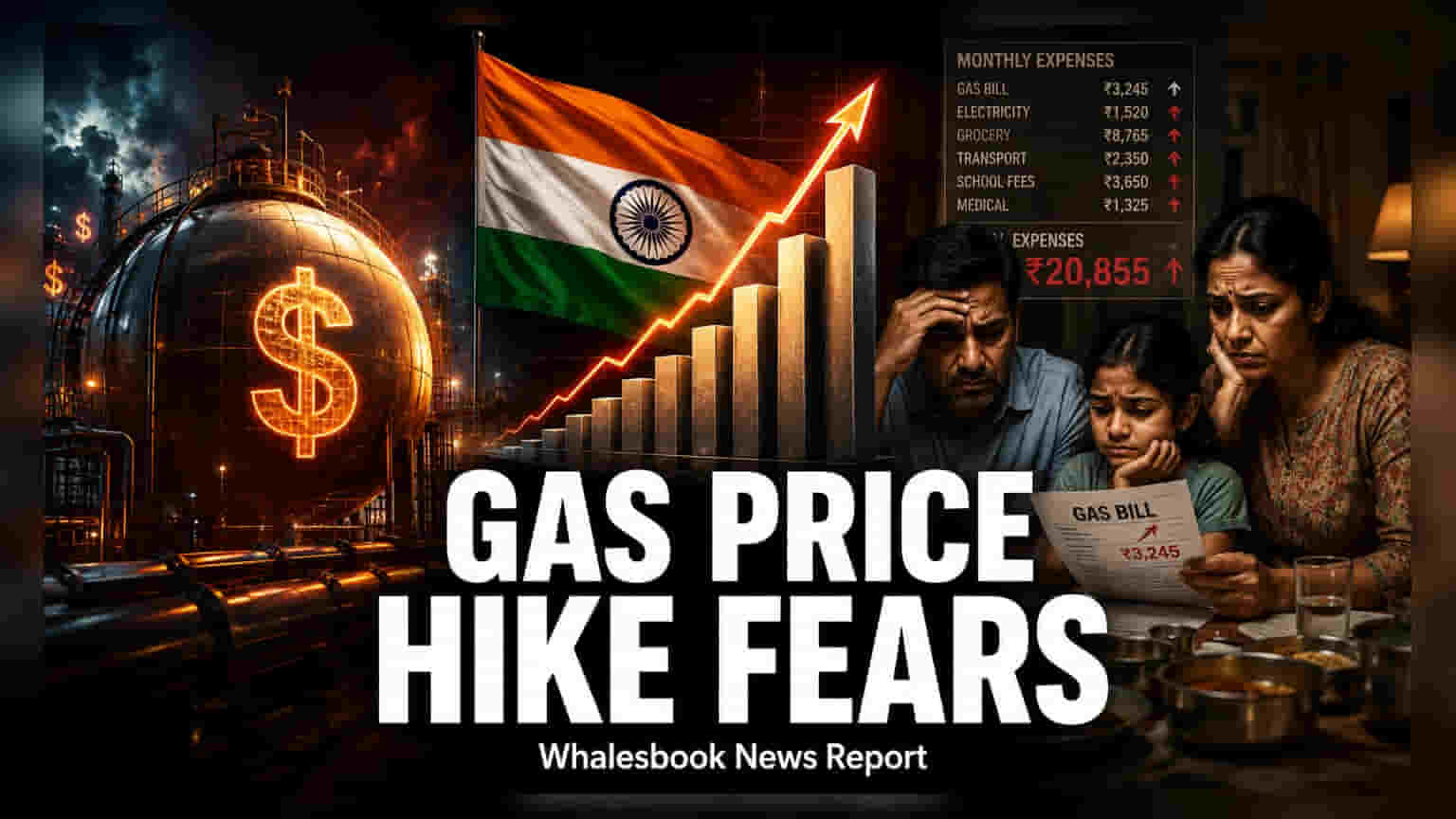
India is considering new charges on LPG and natural gas consumers to fund a $42 billion strategic fuel reserve. This initiative aims to protect the country against global supply disruptions, such as the recent crisis in the Middle East. If approved, the plan could increase household gas bills by approximately 2% and raise costs for industrial sectors like fertilizer, power, and steel.
The Indian government is currently evaluating a proposal to impose new levies on consumers of liquefied petroleum gas (LPG) and natural gas to finance a $42 billion strategic fuel reserve. This plan, which is currently awaiting Cabinet approval, represents a significant shift in India’s energy security strategy by aiming to store fuel for emergencies alongside its existing crude oil stockpiles.
The proposal suggests a levy of ₹1.29 per kilogram on LPG, which would increase the cost of a standard domestic cooking gas cylinder by approximately ₹18. For natural gas, the government is considering a charge of ₹1.43 per standard cubic metre. These small per-unit additions are expected to generate about $1.5 billion annually, which would be dedicated to building the necessary storage infrastructure.
Energy security has become a priority for India, the world’s third-largest oil importer, especially following supply chain challenges seen during the 2026 conflict in the Middle East. While India currently maintains government-owned crude oil reserves, it lacks dedicated strategic storage for natural gas and LPG. This creates a vulnerability compared to nations like Japan and South Korea, which maintain strategic reserves covering over 100 days of demand. India's current capacity for government-owned fuel covers less than 10 days of consumption.
From an economic perspective, the plan aims to shield domestic consumers and industries from volatile global price spikes and potential supply cutoffs. However, the proposal introduces potential challenges. A 2% increase in gas bills could lead to inflationary pressure on households. Additionally, industries that rely heavily on natural gas, such as power generation, fertilizer production, and steel manufacturing, may face higher operational costs if these levies are passed on to them.
Because the plan is still under inter-ministerial discussion, the final implementation and the mechanism for collecting these funds remain uncertain. The government is carefully weighing the benefits of long-term energy security against the immediate impact on consumer gas prices and industrial input costs. Investors and market observers should monitor the upcoming cabinet meetings for official announcements regarding the approval or modification of this levy structure, as it could have a direct impact on the profitability and operating margins of companies within the energy-intensive manufacturing and power sectors.