

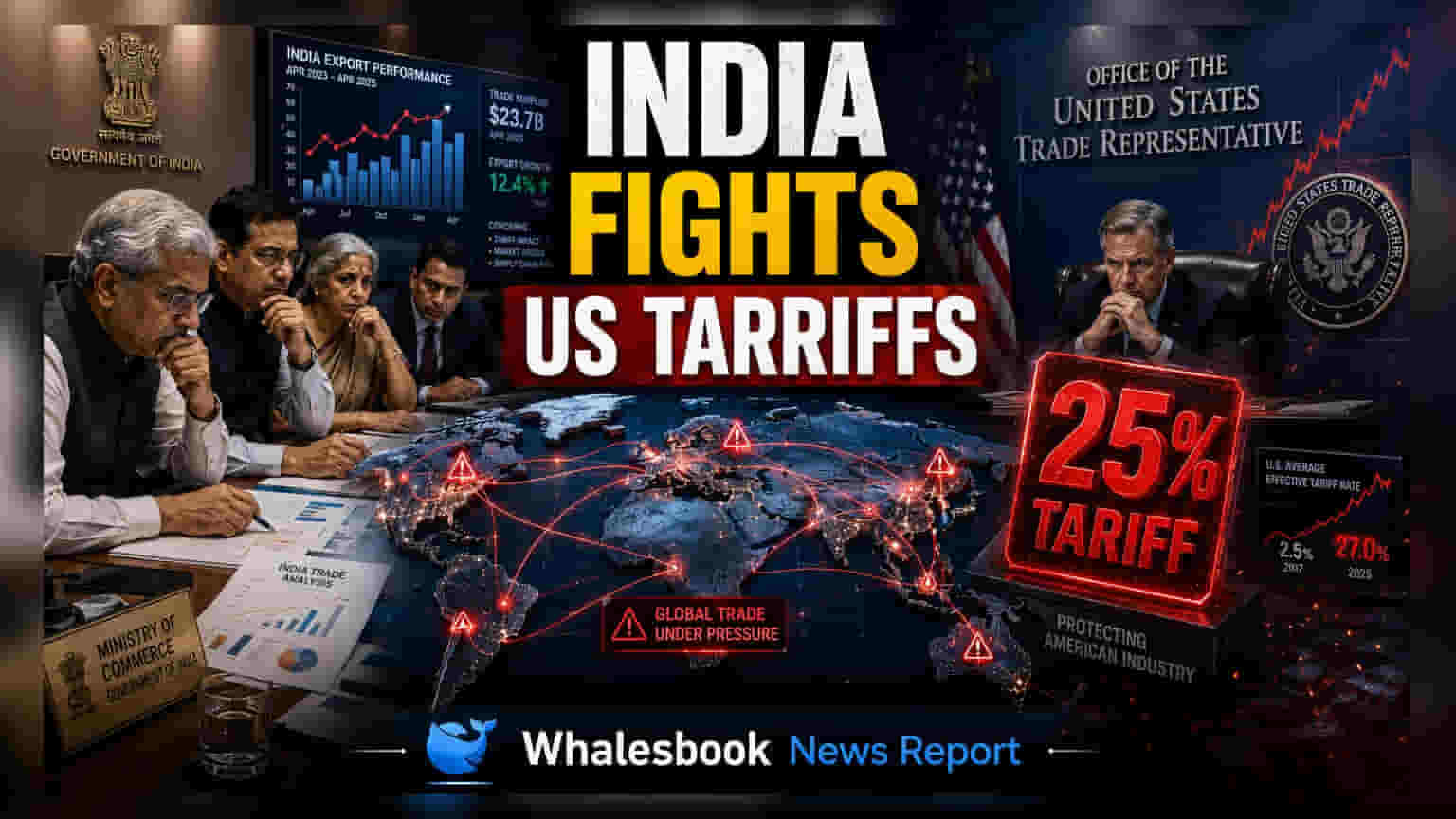
India has challenged a proposed 12.5% additional U.S. tariff on Indian goods, citing a lack of legal evidence. The government argues that current forced labor claims are unsubstantiated, warning that such duties could hurt trade. Key Indian manufacturers, including textile and solar firms, have formally joined the opposition to protect their competitive position.
The Indian government has formally challenged the United States Trade Representative’s (USTR) proposal to impose a 12.5% additional tariff on a range of Indian products. In a detailed nine-page submission, New Delhi argued that the USTR’s justification for these tariffs, which centers on concerns over forced labor in supply chains, lacks the necessary legal basis and country-specific evidence required for such trade actions.
Impact on Key Indian Industries
The proposed tariff move has drawn strong opposition from major Indian businesses that rely heavily on the U.S. market. Large corporations including Reliance Industries, Alok Industries, and Shahi Exports have submitted petitions against the move, alongside several prominent solar equipment manufacturers. These companies are concerned that the additional costs would make Indian goods less competitive compared to peers and potentially disrupt established supply chains.
Beyond large manufacturers, the impact extends to smaller specialized sectors. For example, Gujarat-based exporters of dehydrated onions and garlic, such as Parth Foods and Hanumant Foods, have pointed out that these tariffs would ultimately lead to higher prices for American consumers for essential food products. The industry stance is that these tariffs act more as a protectionist barrier than a genuine response to labor practices.
Legal and Evidence Challenges
India’s commerce ministry emphasized that the USTR has failed to satisfy the legal standards set under Section 301(d) of the U.S. Trade Act. The Indian submission argues that the U.S. failed to provide economy-specific evidence demonstrating that the absence of a forced labor import ban in India actually harms American commerce or distorts market conditions.
To support this, the government highlighted trade data showing that in sectors like tobacco and cotton, Indian imports have grown or shifted in a way that does not disadvantage U.S. industry. For instance, the ministry pointed to a rise in American tobacco imports from India—growing from $225,000 to $3.5 million—without creating a negative impact on U.S. companies. Similarly, the trend in cotton imports shows Indian goods gaining market share as imports from China have declined, suggesting that India’s export growth is driven by competitiveness rather than unfair labor practices.
Next Steps for Exporters
The situation remains in a negotiation phase, with the U.S. government yet to make a final determination on the implementation of these tariffs. For investors and businesses, the immediate focus is on whether the U.S. administration will accept the evidentiary requirements put forth by the Indian ministry or proceed with the tariffs regardless. The outcome of these hearings will be critical for sectors like textiles, solar, and processed foods, as any additional 12.5% cost burden could squeeze profit margins or force companies to pass costs to buyers, impacting overall export volumes.