

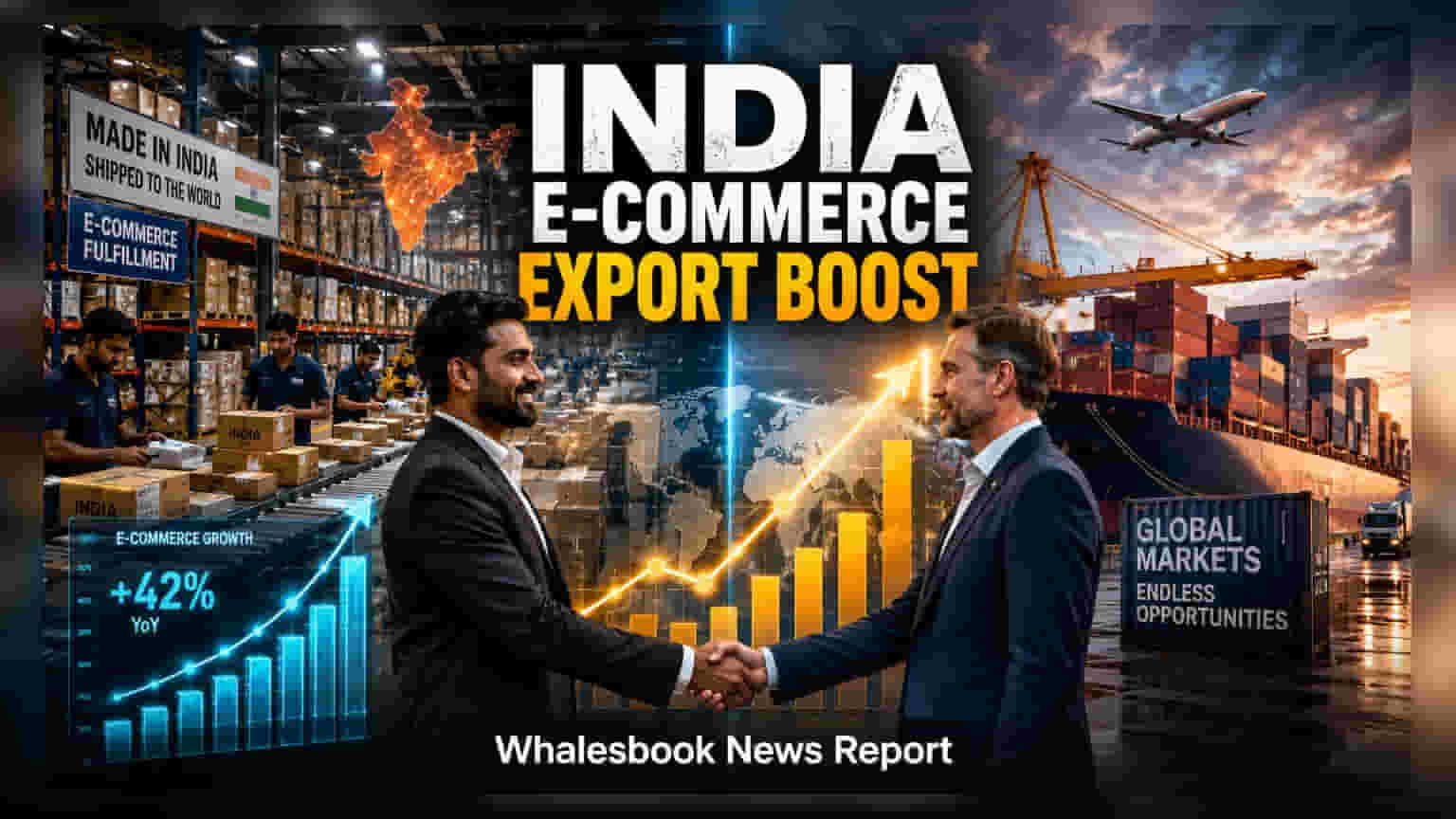
The government has officially launched the framework allowing foreign direct investment in inventory-based e-commerce, specifically for exports. By enabling global platforms to manage export inventory, India aims to scale its e-commerce exports significantly. Companies must strictly separate these export-only goods from domestic stock to ensure compliance with the new regulations.
The Directorate General of Foreign Trade (DGFT) has officially operationalized the new framework for inventory-based cross-border e-commerce, effective from August 5, 2026. This follows the policy announcement made by the Department for Promotion of Industry and Internal Trade (DPIIT) on July 23, 2026. The core change allows foreign direct investment in inventory-based e-commerce business models, but with a strict condition: this model can be used exclusively for the export of Indian-manufactured goods.
Strict Operational Compliance
To participate, companies must establish a separate legal entity and register as an 'Exporter-on-Record' (EOR) with the DGFT. The regulations are designed to prevent the misuse of this model. For instance, companies are prohibited from speculative stockpiling. All goods procured must be tied to confirmed overseas orders. Additionally, the EOR must maintain a digital repository for full traceability and physical segregation of export goods. To protect domestic sellers, any inventory designated for export is strictly forbidden from being diverted for sale in the Indian domestic market. The framework also mandates that EORs pay Indian sellers within seven days of goods acceptance, regardless of whether the final payment has been cleared by the overseas buyer.
Bridging the Global Gap
This policy shift is part of a broader goal to expand India’s share in the global digital trade market. Currently, India’s e-commerce exports are valued at less than $5 billion, which is a small fraction compared to countries like China, where the market is significantly larger. With global e-commerce trade projected to reach $2 trillion by 2030, the government is attempting to modernize logistics and allow Indian manufacturers, especially Micro, Small, and Medium Enterprises (MSMEs), to tap into global supply chains more effectively.
Implications for Businesses and Investors
For investors and market observers, the impact of this policy will depend on how efficiently companies can navigate the compliance requirements. Establishing a separate legal entity for export-only operations involves additional operational costs and administrative overhead, including annual certifications and digital reporting. There is also a risk of regulatory scrutiny to ensure that 'export-only' inventory does not leak into the domestic market.
While the policy opens a new avenue for growth, companies will need to balance these compliance costs against the potential for higher export volumes. The market will likely monitor the adoption rates of these norms by logistics firms and e-commerce platforms. The success of this initiative depends on whether the ease of doing business outweighs the increased monitoring and separation requirements set by the regulators.