 Whalesbook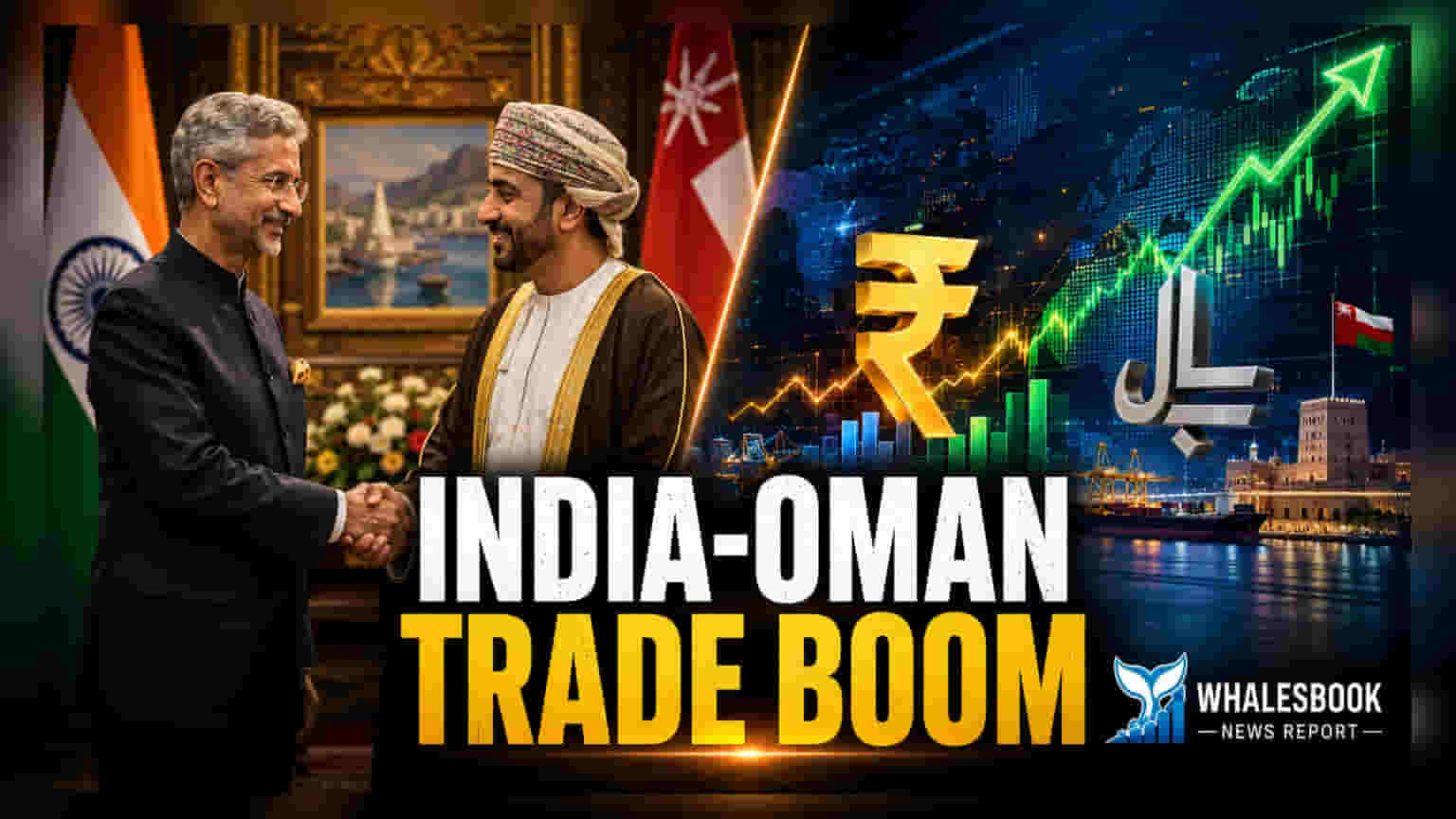


Beyond the Tariff Cuts
The activation of the India-Oman Comprehensive Economic Partnership Agreement (CEPA) represents a calculated move to deepen India’s footprint in the Gulf Cooperation Council (GCC) region. While the headline figure of 99% duty-free access serves as a potent diplomatic win, the real impact resides in the administrative harmonization between the two nations. By bypassing traditional bureaucratic hurdles, Indian firms—particularly in the pharmaceutical and engineering sectors—are effectively gaining a localized advantage over competitors from Southeast Asia and Europe who have historically vied for regional dominance.
The Pharmaceutical Regulatory Alpha
The most significant structural change involves the expedited 90-day marketing authorization for Indian generic drugs that already possess approvals from recognized global regulators like the USFDA or the EMA. This shift fundamentally alters the cost-to-market trajectory for Indian pharmaceutical exporters. By removing redundant local testing cycles, Indian drug makers can pivot inventory into the Omani market with unprecedented velocity. This efficiency is expected to improve working capital cycles for medium-sized pharma companies that often suffer from liquidity constraints during long international registration phases.
Strategic Sourcing and Competitive Risks
Access to Omani unpolished marble is a distinct tactical victory for the Indian stone processing industry, particularly for major hubs in Rajasthan and Andhra Pradesh. Historically, high raw material costs and import duties constrained margins for domestic processors; direct sourcing should, in theory, restore competitive pricing against synthetic alternatives. However, the agreement is not one-sided. The anticipated increase in agricultural imports from Oman, specifically dates and associated commodities, suggests that local Indian agro-processors may face increased pricing competition. Analysts remain focused on whether the volume of new export opportunities will adequately offset the pressure on domestic margins caused by this influx of competitive foreign goods.
The Structural Weakness
Investors should maintain a degree of skepticism regarding the immediate profitability of this trade corridor. Large-scale trade pacts are frequently plagued by non-tariff barriers that persist long after duties are abolished. Supply chain logistics and the volatility of freight rates in the Gulf region remain primary variables that could erode the projected gains from duty-free status. Furthermore, historical trade agreements between India and GCC partners have occasionally seen initial enthusiasm tempered by complex local compliance mandates that effectively act as shadow taxes on foreign businesses. Until trade volume data reflects actual adoption rates by Indian MSMEs, the market should view the CEPA as a long-term structural tailwind rather than an immediate revenue catalyst.