

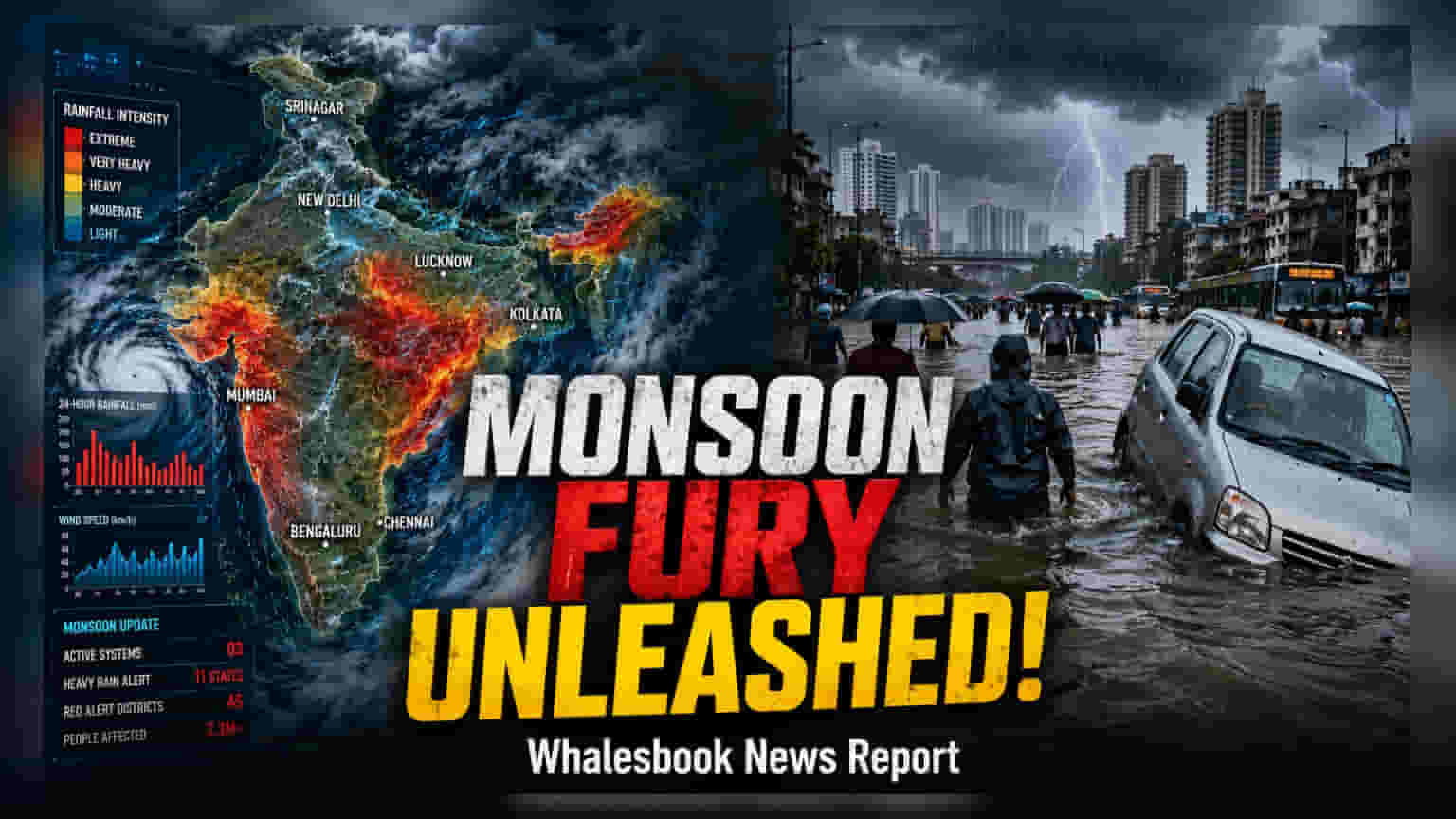
The India Meteorological Department (IMD) has issued yellow and orange alerts as heavy rains cause floods and infrastructure disruptions across multiple states. While these events create near-term pressure on supply chains and agricultural yields, resilient industrial and power demand is helping to stabilize the broader economic outlook.
The India Meteorological Department (IMD) has issued yellow and orange alerts as heavy to very heavy rainfall impacts several regions, including Delhi-NCR, Uttarakhand, and northeastern states like Assam and Nagaland. This intense weather phase has caused significant challenges on the ground, including floods, landslides, and major transportation disruptions, with official reports noting over 100 monsoon-related casualties so far this season [1].
For Indian market participants, the monsoon’s volatility is a critical variable to monitor. While the IMD’s forecast for August 2026 suggests rainfall at 94% of the long-period average, the uneven distribution of these rains is a point of concern [1]. The primary focus for investors is the potential impact on kharif crop yields, as any supply-side disruption from heavy rainfall could potentially lead to near-term food inflation [1].
The weather is also presenting operational risks for sectors tied to physical infrastructure and logistics. Waterlogging and landslides have led to train cancellations and route changes, which can temporarily disrupt the movement of goods across affected regions [1]. Companies that rely on efficient, time-sensitive supply chains may face temporary cost increases due to these logistical hurdles.
However, the broader economic impact is being viewed with nuance. While the agricultural sector and localized logistics are currently under pressure, other parts of the economy are showing resilience. Strong industrial activity and robust power demand are acting as balancing factors, helping to mitigate the overall economic pressure often associated with such severe weather events [1].
Investors will likely continue to track the progress of the monsoon through August. The key monitorables for the coming weeks will include upcoming consumer price index (CPI) data to gauge food inflation, as well as any updates from companies in the logistics and consumer goods sectors regarding supply chain stability and rural demand patterns.