

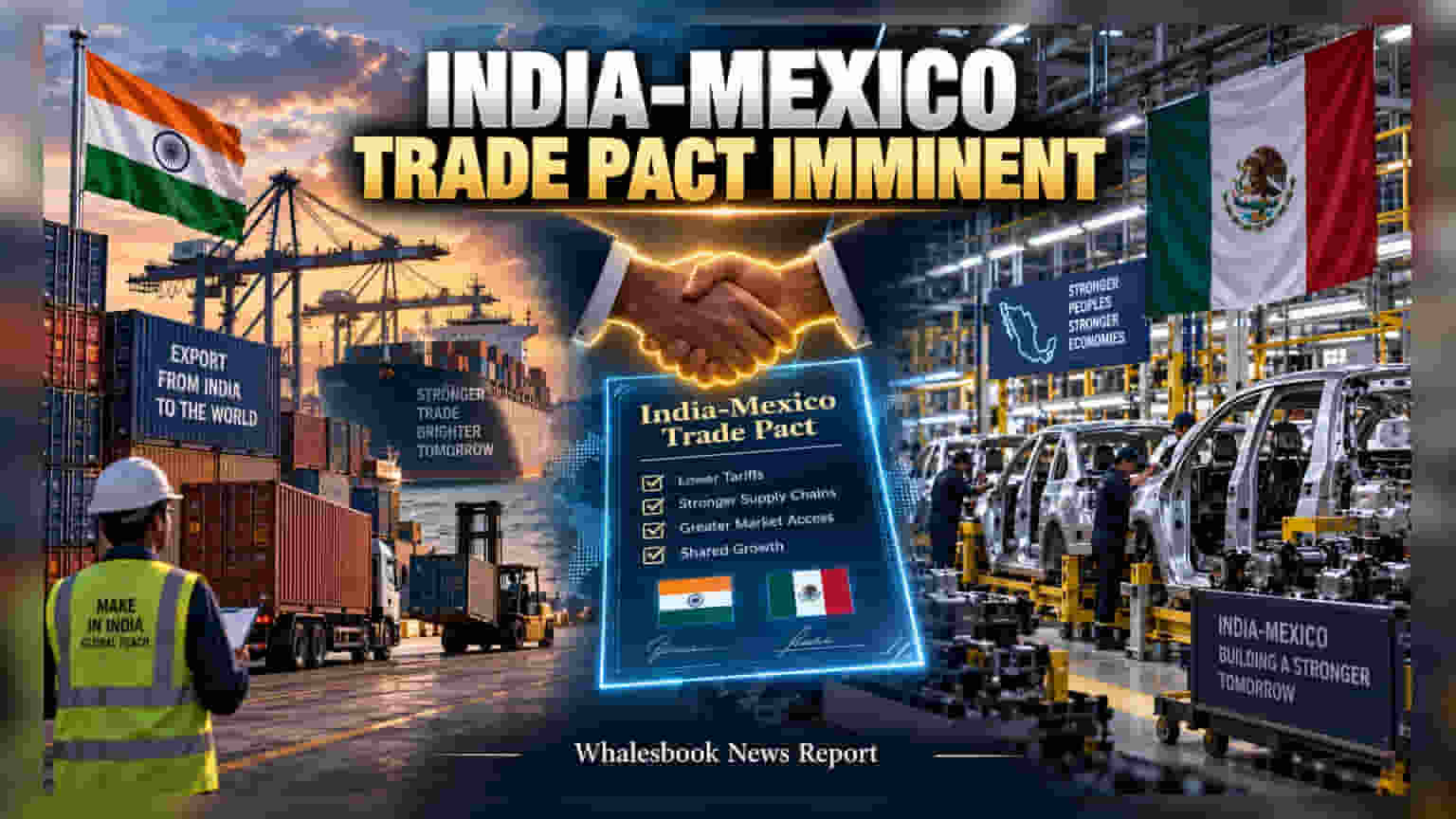
India and Mexico plan to formalize terms for a preferential trade agreement in early October to lower tariff barriers. The deal aims to support Indian exporters in sectors like automobiles, pharmaceuticals, and engineering by bypassing recent import taxes. Investors should watch how this pact helps Indian companies integrate into North American supply chains and improve trade margins.
India and Mexico are moving toward a new trade partnership, with officials scheduled to sign the Terms of Reference for a preferential trade agreement in early October. This step marks a significant shift in how the two nations handle trade hurdles and is designed to create a smoother path for Indian goods entering Latin American and North American markets.
The urgency behind this deal stems from Mexico’s recent policy changes, which introduced tariffs of up to 50 percent on over 1,400 product categories. For Indian exporters, these costs have made it harder to compete against partner nations that already have lower tariff barriers. This proposed agreement is expected to provide a crucial escape route from those high tariffs, specifically helping companies in the automotive, engineering, and chemical sectors to maintain or improve their profit margins.
Beyond just selling goods, the agreement is a strategic entry point for Indian firms looking to access the United States-Mexico-Canada Agreement (USMCA) region. As global companies seek to shift manufacturing to nearshore locations close to the United States, Mexico has become a central hub. By establishing this pact, Indian firms could find it easier to plug their supply chains into Mexico’s manufacturing ecosystem, effectively gaining a gateway to North American markets that was previously difficult to access due to high import costs.
During the 2025-26 period, bilateral trade between the two countries reached $7.83 billion, with India currently holding a trade surplus. The new deal aims to not only sustain this momentum but also tackle non-tariff barriers—such as complex customs procedures—that have historically slowed the movement of engineering goods and textiles between the two economies.
While the signing of the Terms of Reference is a positive step, it is just the beginning of the formal process. The real value for shareholders and investors will depend on the final details of the trade agreement, the specific list of goods that will qualify for tariff relief, and how quickly these benefits are implemented. Investors should track official updates on the scope of tariff reductions and whether the pact leads to a noticeable increase in export volumes for Indian manufacturers in the coming quarters.