 Whalesbook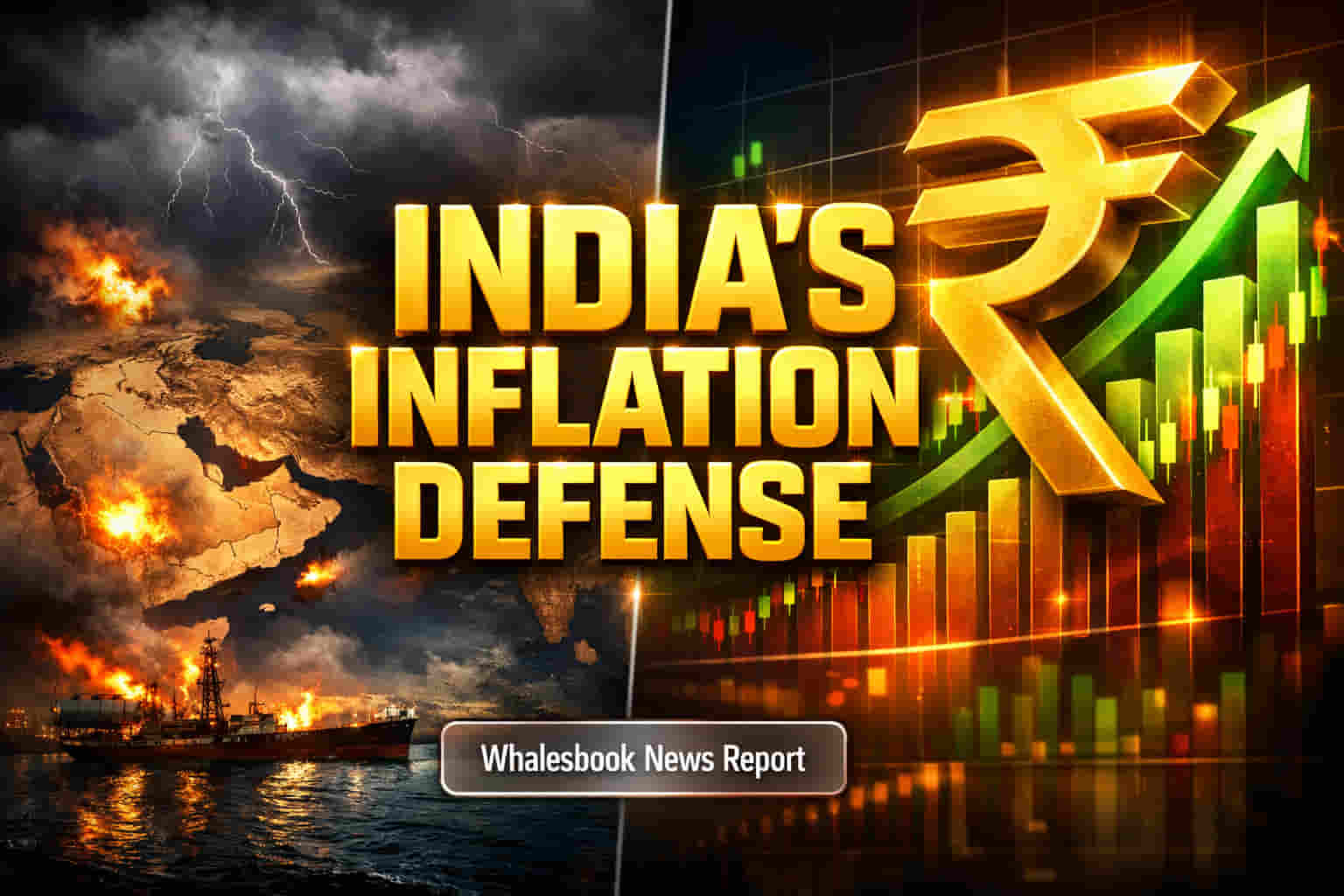


Markets React to Geopolitical Fears
India's main stock indexes, the BSE Sensex and Nifty 50, plunged more than 3% on March 9, 2026. This marked one of the largest single-day drops in the indices' history, reflecting deep investor worries. The sharp fall was triggered by rising geopolitical tensions in the Middle East and a significant jump in global crude oil prices. The Indian Rupee also hit historic lows, weakening past ₹92 per dollar to around ₹92.33. This came as global caution rose and investors sought safer assets like the U.S. dollar. The rupee's sharp depreciation, down about 5.84% over the past year, clearly shows the pressure from higher import costs and negative investor sentiment.
Economic Impact and Forecasts
The Finance Ministry stated that the rise in crude oil prices, from around $69 to $80 per barrel, is unlikely to have a significant effect on India's inflation currently. However, market sentiment tells a different story. Economists estimate that every $10 increase in oil prices could slow India's economic growth by about 0.5% and sharply raise its yearly oil import costs. A $10 per barrel rise could add $13-14 billion to India's annual import bill, potentially increasing its trade gap and pressuring the rupee.
Crisil forecasts inflation could rise to 4.3% in FY27 from an estimated 2.5% in FY26, partly due to expected price changes. The Reserve Bank of India's own policy report had projected that a 10% crude price increase could push inflation up by 0.3%, assuming costs are fully passed on.
Given India imports over 85% of its crude oil, with a large part coming from the Middle East, sustained prices above $80 per barrel pose a major economic challenge. The Strait of Hormuz, a key shipping route, handled about half of India's crude imports in February, further raising supply worries. India's current oil reserves are estimated by some sources to cover only 20-25 days of supply, highlighting its vulnerability compared to other countries. In response, G7 finance ministers are considering a coordinated release of 300-400 million barrels from strategic reserves to help stabilize energy markets.
Impact on Industries and Investors
Despite government assurances, the economic weaknesses highlighted by the oil shock are significant. Industries like aviation, paints, chemicals, and automobiles are facing pressure from rising fuel and raw material costs. For example, paints and specialty chemicals link about 30% of their production costs to crude oil prices. They have limited ability to pass on these higher costs due to market competition.
Oil marketing companies are absorbing some of the price volatility for now. However, sustained high prices could reduce their profits, possibly leading to higher prices for consumers later. The combination of a weaker rupee and higher oil prices greatly increases the risk of imported inflation. This could make monetary policy decisions harder and hurt company profit expectations.
The Reserve Bank of India might have limited ability to ease monetary policy as it tries to balance controlling inflation with supporting economic growth, especially if fuel prices eventually rise for consumers. Foreign institutional investors often sell emerging market assets during periods of geopolitical instability and dollar strength. This trend is evident in recent selling pressure, which domestic investors have partially absorbed. There's also a risk of wider government budget shortfalls if authorities are forced to offer fuel subsidies to help consumers.
Outlook
The path for India's markets and economic stability will largely depend on how long the Middle East conflict lasts and when oil prices stabilize. While a potential release of oil reserves by G7 nations offers temporary relief, the core geopolitical risks persist. The Finance Ministry's effort to project stability is challenged by a market already expecting significant drops.
If crude oil prices stay above $85-$90 per barrel, it will likely lead to higher imported inflation, a worse trade gap, and continued pressure on the Indian rupee. This situation will require close attention to global energy trends and domestic policy actions.