 Whalesbook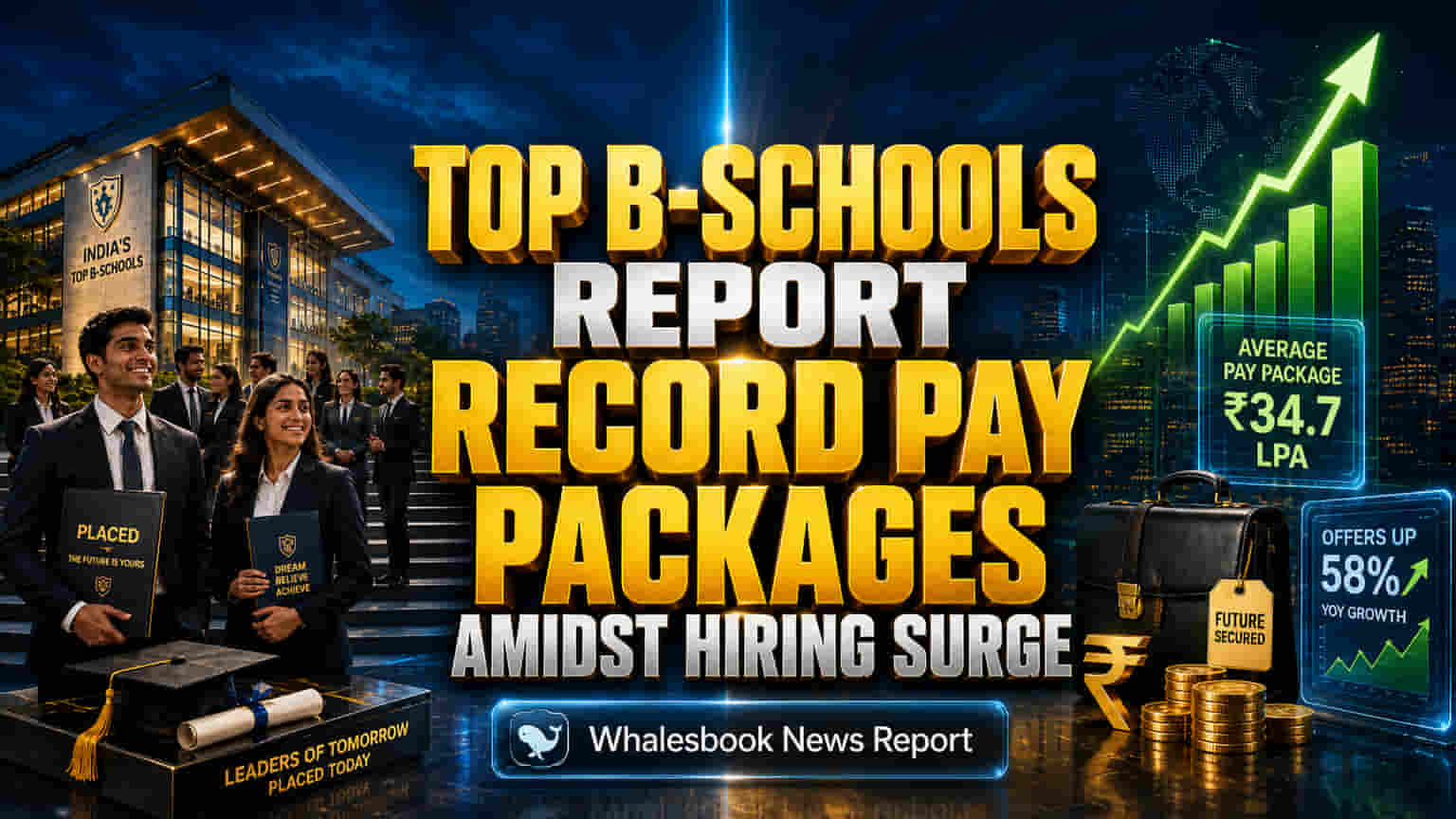


Higher Salaries Reported
This year's placement season for the Class of 2026 at top Indian business schools, including XLRI, SPJIMR, MDI Gurgaon, TISS, and IMT Ghaziabad, shows a measured recovery. Average compensation packages have risen year-over-year. This increase is mainly driven by strong hiring in the consulting and Banking, Financial Services, and Insurance (BFSI) sectors, indicating renewed confidence from traditional recruiters and the addition of new ones. However, beneath these figures, hiring strategies and the skills employers seek are undergoing significant changes.
Compensation Details
The graduating cohort has seen improved average and median salaries. XLRI Jamshedpur reported its average cost-to-company package climbed to approximately ₹31-32 lakh annually, with top offers reaching ₹75 lakh. SPJIMR Mumbai announced an average package of ₹33.75 lakh and a median of ₹32.85 lakh. MDI Gurgaon's PGDM program saw an average package of ₹29.5 lakh, with the highest offer at ₹97.5 lakh. Tata Institute of Social Sciences (TISS) recorded a mean salary of ₹28.69 lakh and a highest offer of ₹66 lakh. For IMT Ghaziabad's PGDM program, the average package was ₹18.89 lakh, and the highest offer reached ₹35 lakh. These numbers mark a significant increase from the previous year, signaling a positive trend after recent economic slowdowns.
Shifting Job Market Trends
Hiring in sectors like technology and startups, which were previously major growth areas, has slowed down. While more companies are participating in placements, they are making fewer offers per recruiter. This means the market is moving away from bulk hiring towards roles that require specialized skills rather than general qualifications. Pre-placement offers (PPOs) are now more critical, with institutions like SPJIMR noting that 46% of their students secured PPOs, emphasizing the importance of internship success in getting hired. Consulting firms, always strong in MBA hiring, are now prioritizing candidates with strong analytical and strategic skills for roles in strategy, operations, and transformation. The BFSI sector, including fintech, is increasing its hiring of specialists in AI/ML, cybersecurity, and risk analysis.
Concerns for Some Graduates
Despite the positive overall figures, the Class of 2026 placement season has nuances that warrant caution. Increased competition and the focus on specialized roles mean graduates lacking specific domain knowledge or strong internship experience may find the job search more difficult. The heavy reliance on PPOs, while advantageous for those who secure them, could disadvantage other students facing a less predictable direct placement market. Broad economic uncertainty also remains a risk to sustained hiring. Employers are increasingly scrutinizing MBA degrees, demanding practical problem-solving skills and adaptability over academic credentials alone. The need for hybrid skill sets, combining business knowledge with analytical and digital capabilities, could put graduates with traditional skills at a disadvantage. While new recruiters signal a dynamic market, established firms are also rethinking their strategies, possibly favoring highly specific roles over mass hiring.
Future Hiring Trends
The demand for MBA graduates is expected to stay strong, especially for those with digital skills, analytical abilities, and specialized knowledge. Future hiring trends will likely be influenced by the growth of AI and sustainability-focused careers, creating new specialized roles. Top business schools will continue to achieve high placement rates, but employers will increasingly focus on graduates' ability to adapt to changing industry needs and make a direct business impact. The market is shifting towards professionals who can deliver immediate value and navigate complex, fast-evolving environments.