

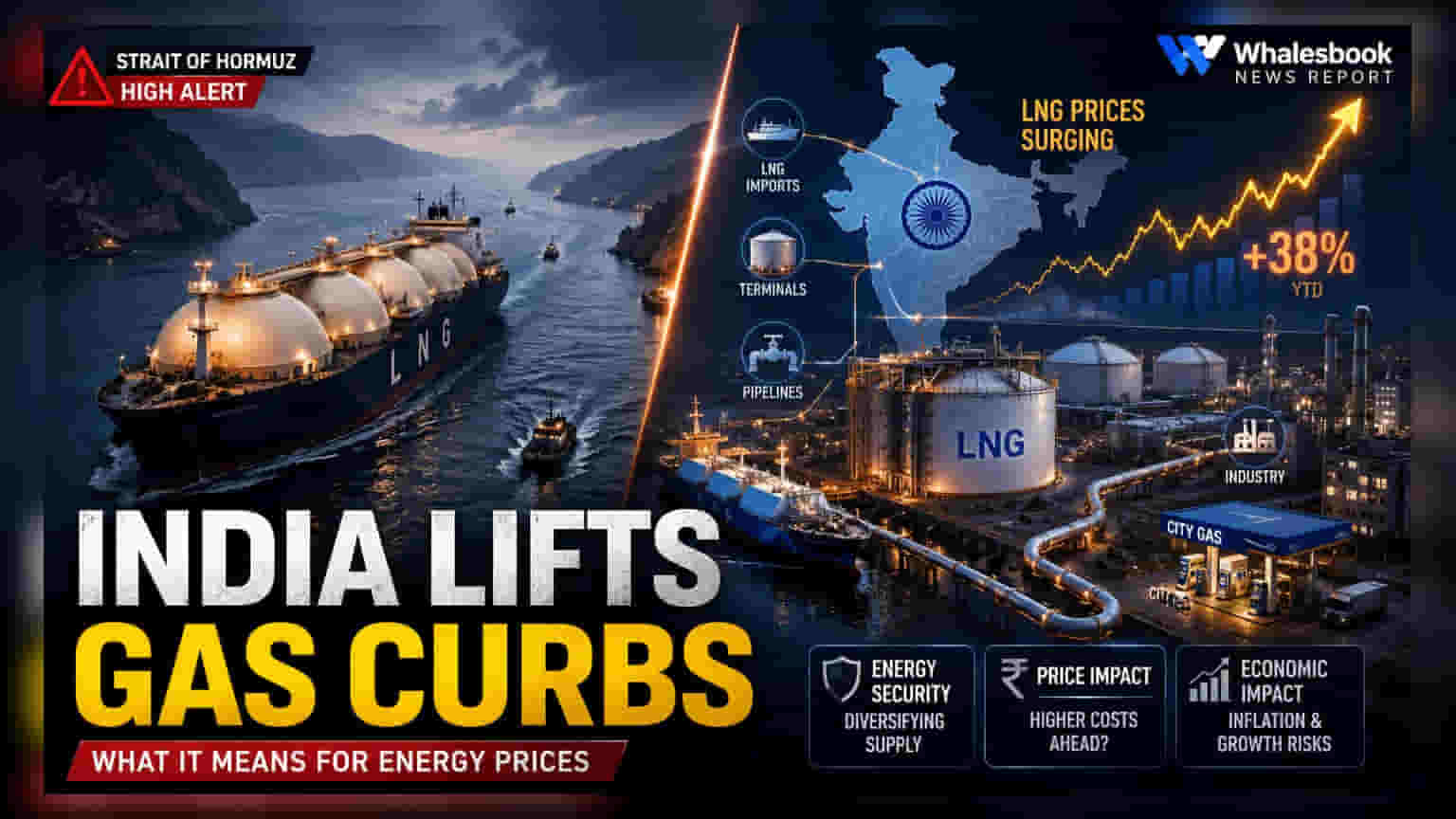
The Ministry of Petroleum and Natural Gas has removed emergency restrictions on natural gas supplies following the restoration of LNG shipments through the Strait of Hormuz. This normalization ends the prioritized allocation system for fertilizer plants and city gas distributors that was triggered by the West Asia conflict earlier this year.
What Happened
India has officially revoked the emergency regulations that governed natural gas allocation during the recent West Asia conflict. The Ministry of Petroleum and Natural Gas amended the Natural Gas (Supply Regulation) Order, 2026, on Saturday to remove the temporary provisions. These measures, initially implemented on March 9, 2026, were designed to manage energy security when shipments through the Strait of Hormuz were disrupted. With maritime traffic now moving through this vital energy transit point, the government has determined that the extraordinary power to prioritize or restrict gas supplies to specific industries is no longer necessary.
Impact on Energy Consumers
During the peak of the disruption, the government had implemented a strict allocation system. Households using Piped Natural Gas (PNG) and the transport sector using Compressed Natural Gas (CNG) were granted 100% supply priority. Fertilizer manufacturers were assured 70% of their needs, while industrial users and City Gas Distributors (CGDs) received 80%. These commitments were funded by curtailing gas availability to petrochemical plants and power generation facilities. The withdrawal of these curbs means that gas supply contracts and market-based allocation mechanisms can now return to normal operations, potentially reducing the operational strain on sectors that faced supply cuts.
The Strategic Energy Context
India is highly dependent on imports from West Asia, which accounts for approximately 40-45% of the country’s crude oil imports and roughly 65% of its Liquefied Natural Gas (LNG) supplies. As the world's third-largest oil consumer and a major LNG importer, any disruption in the Strait of Hormuz creates immediate inflationary and supply chain risks for the domestic economy. The removal of these curbs is a significant step toward stabilizing the energy procurement costs for industrial consumers, as reliance on expensive spot market LNG during the crisis period had placed pressure on profit margins for companies dependent on imported gas.
Risks and Market Monitorables
While the lifting of restrictions is a positive development for industrial users, investors should remain aware of broader energy sector risks. The primary monitorable is the sustained stability of maritime routes in West Asia. Any resurgence in geopolitical tensions could once again force suppliers to invoke force majeure clauses, leading to supply volatility. Furthermore, investors in companies heavily dependent on gas, such as fertilizer firms and city gas distributors, should track the impact of the return to market-driven pricing versus the subsidized allocation regime that existed under the emergency order. The long-term profitability for these sectors will depend on how quickly global LNG prices adjust now that the emergency demand-side controls have been fully removed.