

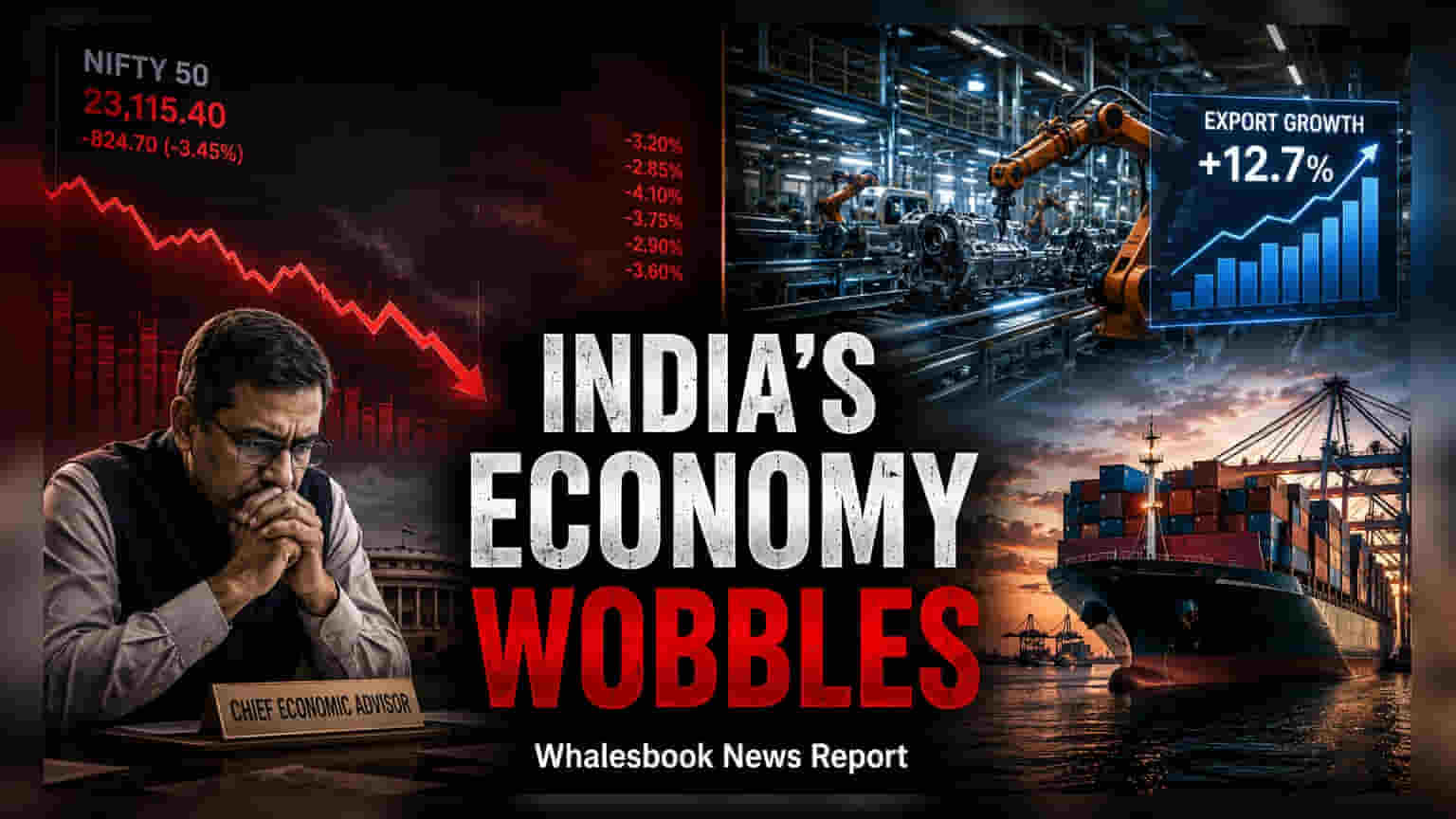
India's retail inflation rose to 4.4% in June, crossing the Reserve Bank of India's 4% target as food prices spiked. Data shows a cooling in consumer demand across urban and rural sectors, including lower car and tractor sales. While production and exports remain resilient, rising inflation risks may influence future interest rate decisions.
The Indian economy showed signs of cooling in June 2026, as consumer demand softened across both urban and rural segments. According to the Mint Macroeconomic Tracker, eight out of sixteen key high-frequency economic indicators fell below their one-year averages. This marks a shift from the stronger growth momentum witnessed earlier in the fiscal year.
Consumption Patterns and Declining Sales
Discretionary spending, often seen as a health check for the economy, faced notable pressure. Passenger car and van sales, which grew by over 30% in April, saw growth drop to 15.3% in June. Similarly, rural demand—often tracked through tractor sales—showed a deceleration, growing at 11.9% in June compared to 19.6% in the previous month. The aviation sector also experienced a contraction, with domestic air passenger traffic falling by 1% in June, reversing the 9.5% growth recorded in May.
Inflation Trends and RBI Targets
Inflationary pressures have emerged as a primary challenge, with the Consumer Price Index rising to 4.4% in June, exceeding the Reserve Bank of India’s 4% target. Food inflation climbed to 5.3%, acting as the main driver for the overall price increase. While improved sowing for kharif crops like paddy and pulses may provide some supply-side relief, persistent food inflation remains a point of concern. Additionally, wholesale inflation reached 9.87% in June. Analysts are now monitoring global crude oil prices, which have hovered near $85 per barrel; a sustained trend at this level could further increase costs for businesses, potentially impacting broader inflation and influencing the central bank's interest rate policy.
Resilience in Production and Exports
Despite the cooling in consumption, industrial and trade sectors displayed resilience. The core sector, which tracks major industries like steel, cement, and electricity, saw growth accelerate to 5% in June from 3.2% in May. Infrastructure-led activity and a 4% increase in rail freight movement suggest that investment-linked sectors are maintaining momentum. Furthermore, exports from eight labour-intensive industries saw a strong rebound, growing by 12.1% in June after experiencing a contraction in the previous month. This recovery in the export market is a positive factor that may help sustain factory output and support employment levels.
Investors will now monitor whether the current inflation spike is temporary or if it will lead to more restrictive monetary conditions. The next key updates to watch include the upcoming monthly trade data, further developments in crop yields as the monsoon progresses, and official commentary from the Reserve Bank of India regarding interest rates and inflation expectations for the remainder of the fiscal year.