

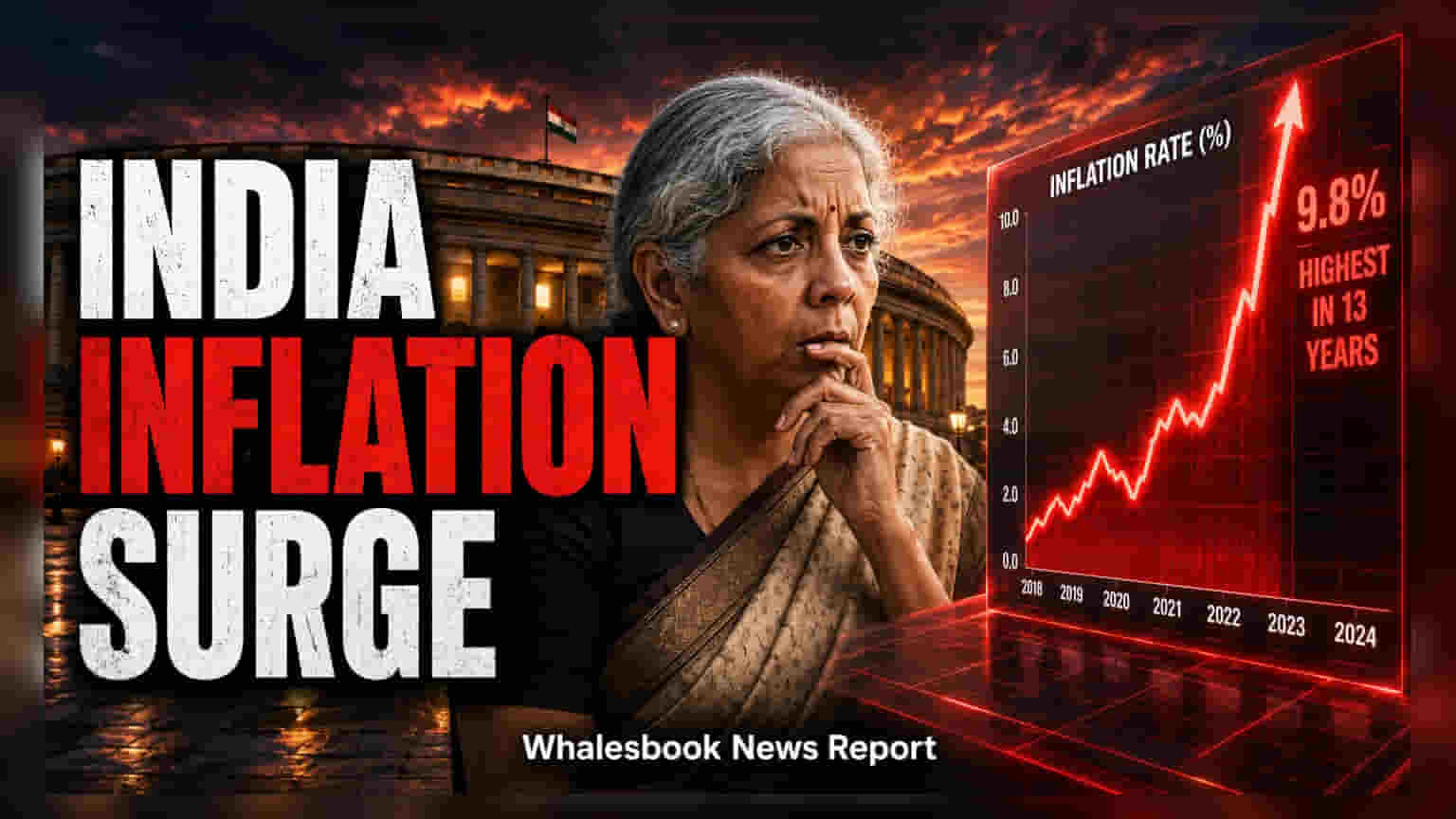
India's retail inflation is expected to reach 4.24% in June, marking the first time in 18 months it has exceeded the Reserve Bank of India's 4% target. Rising food costs and recent fuel price adjustments are primary drivers behind this uptick, which investors are monitoring for potential impacts on future interest rate decisions.
India's consumer price inflation is projected to rise to 4.24% for June 2026, according to recent economic estimates. This anticipated reading marks a notable shift, as it would be the first time in 18 months that the headline inflation rate has climbed above the Reserve Bank of India’s (RBI) primary target of 4%. The data follows a period where headline figures had largely remained within the central bank's comfort zone, making this latest print a focal point for market observers and policymakers.
Drivers Behind the Inflation Uptick
The projected increase is primarily attributed to rising costs in essential categories. A recent adjustment in fuel prices has contributed to the headline number, but food inflation remains the most significant area of concern for household budgets and broader economic stability. Economists point toward potential supply-side pressures on items like cereals, with weather-related patterns such as El Niño cited as a risk factor that could keep food prices elevated in the coming months. If these projections hold, it would represent the highest headline inflation figure recorded under the current series and the first breach of the 4% threshold since January 2025.
Stability in Core Inflation
While headline inflation is expected to rise, core inflation presents a different picture. This measure, which excludes volatile items like food and fuel to provide a clearer view of long-term price trends, is expected to remain steady at approximately 4%. This suggests that while immediate shocks from food and energy are pushing up the overall index, demand-driven price pressures across the wider economy appear to be relatively contained for now.
Investor Context and Next Steps
For investors, the primary implication of this inflation data lies in how it may influence the Reserve Bank of India’s monetary policy. The central bank has historically used interest rates to manage inflation, and a sustained breach of the 4% target may limit the scope for any future rate cuts. Higher inflation often increases the cost of borrowing for companies, which can impact profit margins and consumer spending power. The next important monitorable will be the official release of the consumer price index data, followed by any commentary from the RBI regarding its outlook on food supply and interest rate trajectory. Investors will likely look for signs of whether this rise is a temporary spike caused by immediate shocks or the beginning of a more persistent inflationary trend.