 Whalesbook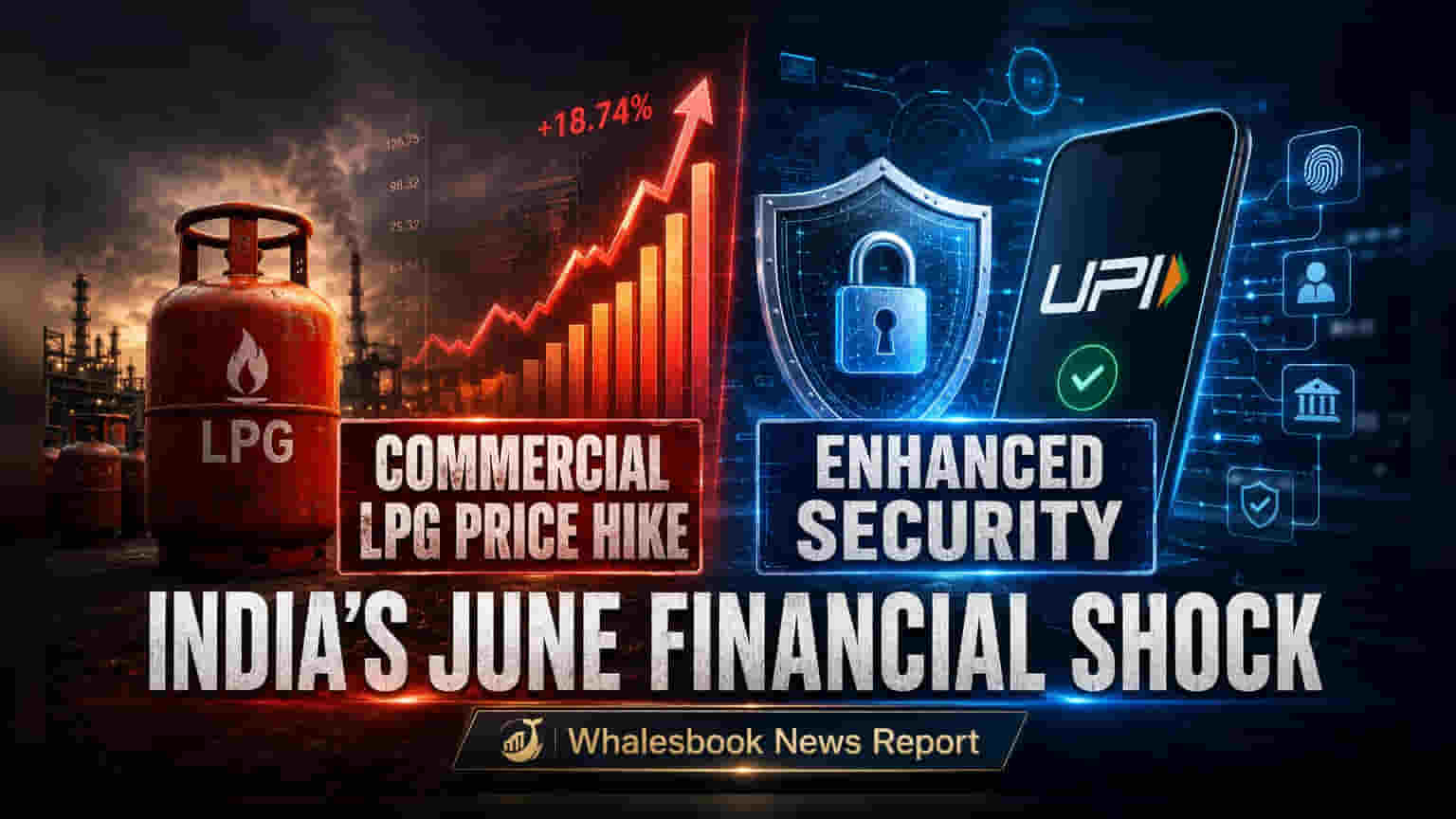


The Commercial Cost Escalation
Fuel pricing adjustments effective June 1 have placed upward pressure on commercial operational expenses. Oil marketing firms enacted a price hike for 19-kg commercial cylinders, with Delhi rates reaching Rs 3,113.50. This shift primarily impacts the hospitality and restaurant sectors, which face tighter margins as utility overheads climb. By isolating the commercial segment from household-grade LPG, regulators aim to manage fiscal subsidies while passing actual market volatility costs onto commercial entities. The concurrent rise in 5-kg Free Trade LPG units suggests a broader pricing recalibration across non-subsidized fuel tiers, potentially influencing service sector inflation in the coming quarter.
Industrial Policy and Solar Supply Chains
The implementation of the Approved List of Models and Manufacturers (ALMM) for all subsidized and net-metering solar projects marks a aggressive turn toward protectionist energy policy. By mandating the use of domestically approved modules, the government seeks to foster an indigenous manufacturing base. However, this transition introduces significant friction for project developers who previously relied on cost-efficient, high-volume imports. The dependency on domestic production capacity may trigger temporary supply bottlenecks and elevated capital expenditure for utility-scale developers. Market observers remain wary that these constraints could delay project commissioning schedules as the sector adjusts to the diminished flexibility in supply chain procurement.
The Digital Payments Security Tightening
UPI transaction protocols are undergoing a structural shift toward multi-factor authentication for high-value transfers. By integrating biometric verifications—such as facial recognition and fingerprint scanning—alongside traditional PIN entry, financial authorities are attempting to preempt sophisticated fraudulent activities. While this enhances platform integrity, the friction inherent in these additional security layers could temporarily dampen transaction velocity among high-frequency retail users. The ongoing testing of EPFO-linked UPI withdrawal systems indicates a push toward centralizing provident fund accessibility, though the lack of a formal launch underscores the technical hurdles involved in securing large-scale government-backed digital disbursements.
Macro-Fiscal Risk Factors
Taxpayers face a critical administrative window with the June 15 advance tax deadline. With the requirement to remit 15% of total estimated annual liability, the threshold remains sensitive for those whose cash flow is currently hampered by rising utility costs. The Income Tax Act’s provision for a 1% monthly interest penalty acts as a rigid enforcement mechanism that can disproportionately affect small-to-medium enterprises during periods of liquidity tightness. As these regulatory and cost pressures converge, businesses must navigate the narrowing window between mandatory compliance and the rising operational costs of the energy and digital transition.