

India's July retail inflation rose to 4.45%, a 19-month high driven by rising food prices. Meanwhile, Tata Sons Chairman N Chandrasekaran announced he will not seek reappointment in 2027, creating leadership uncertainty. SEBI also clarified the stability of the new closing auction session, while the government reviews UPI transaction costs.
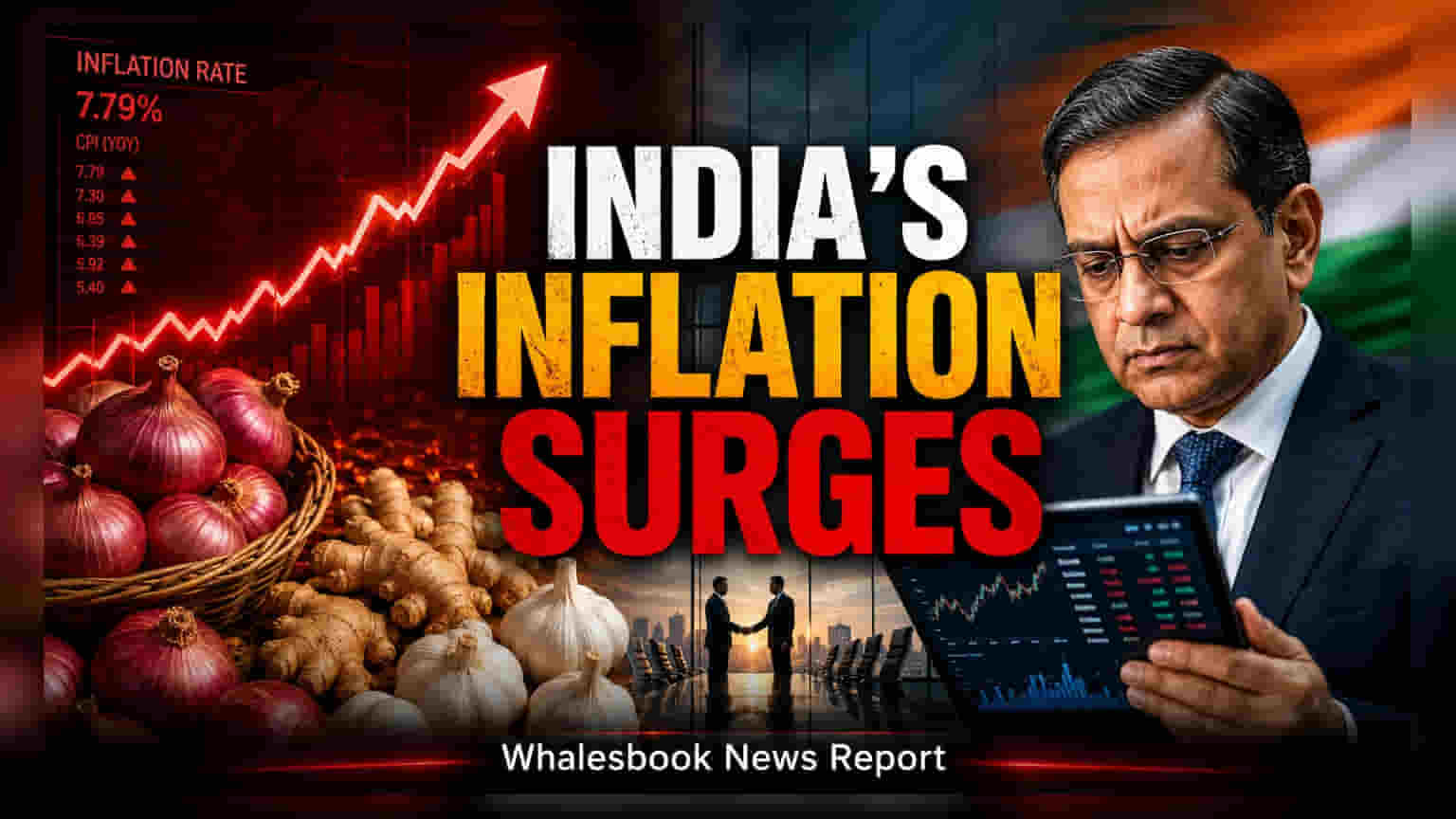
India's retail inflation accelerated to 4.45% in July, marking a 19-month high, compared to 4.38% in June. The rise is primarily driven by sharp increases in the prices of vegetables like onions, ginger, and garlic, pushing food inflation to 5.52%. While this upward trend is notable, core inflation—which excludes volatile food and fuel prices—remained stable at 3.9%. This suggests that the current inflation rise is largely due to supply-side constraints rather than broad-based demand pressure, which may provide the Reserve Bank of India with the flexibility to maintain current interest rates for now.
In a significant corporate development, Tata Sons Chairman N Chandrasekaran has confirmed he will not seek reappointment when his tenure concludes on February 20, 2027. This announcement ends months of speculation and follows the recent departures of other board members. The leadership transition comes amid ongoing discussions regarding the group’s governance structure, particularly given that Tata Trusts controls approximately 66% of the conglomerate. Investors should remain aware that leadership changes in such a large conglomerate often bring a period of uncertainty, which can lead to volatility in Tata Group stocks.
Separately, the Securities and Exchange Board of India (SEBI) has addressed recent market concerns regarding the new closing auction session (CAS). SEBI Chairman Tuhin Kanta Pandey stated that the regulator has found no evidence of manipulation within the new system, which replaced the previous volume-weighted average price mechanism. The regulator emphasized that it is actively monitoring the system to ensure market transparency and is considering proposals to allow wider access for foreign portfolio investors in commodity indices.
Finally, the Finance Ministry is evaluating the sustainability of the Unified Payments Interface (UPI) ecosystem. The operational cost for UPI transactions is estimated to reach ₹20,700 crore for fiscal year 2027, significantly exceeding the ₹2,000 crore budget allocation. To manage this gap, the government is exploring strategies such as reintroducing a merchant discount rate on specific high-value transactions or implementing a tiered incentive structure. The impact of any such policy shift will be a key factor for players in the fintech and payments industry to track in the coming months.