 Whalesbook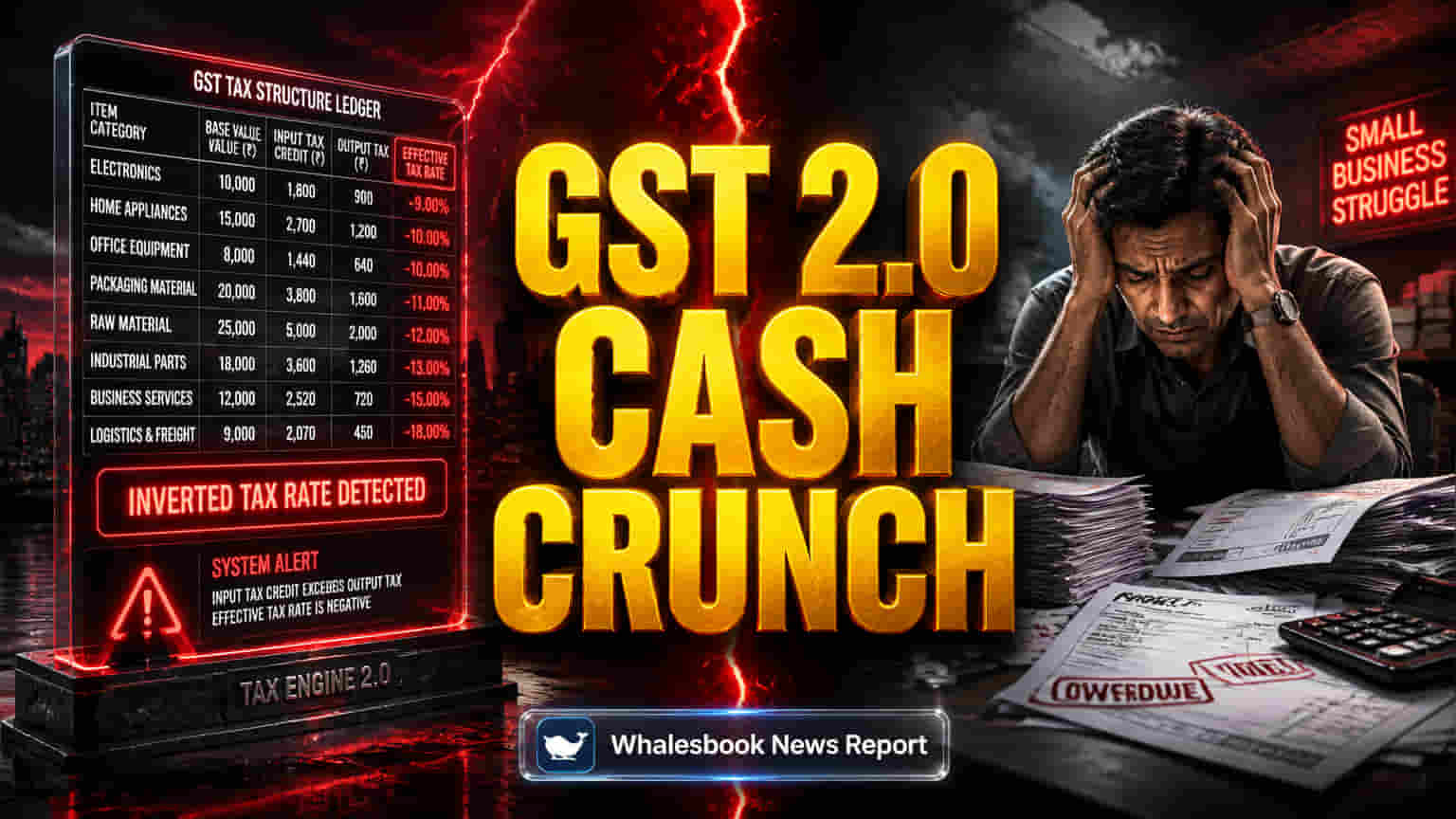


GST 2.0's Trade-Off: Simple Rates, Complex Problems
The Goods and Services Tax (GST) 2.0 reforms, effective September 22, 2025, overhauled India's tax system. They eliminated the 12% and 28% tax slabs, moving most items to a simpler 5% or 18% rate, with luxury goods at 40%. The goal was to boost spending and ease compliance, supporting India's economic growth target of 6.5-7.6% for FY26. Manufacturing has shown strength, with its Purchasing Managers' Index (PMI) staying above 50, indicating growth. Yet, a key structural issue has surfaced: inverted duty structures (IDS) are persisting or worsening.
How Inverted Duties Hurt SMEs and Key Industries
Although GST 2.0 cut rates for many consumer goods and fixed issues in areas like textiles, it worsened inverted duty structures for food processing and electric vehicles. An inverted duty structure means tax on raw materials is higher than tax on the finished product. This forces businesses, especially MSMEs with tight margins, to pay more GST upfront than they can claim back from sales. Billions get stuck as Input Tax Credit (ITC) refunds, often delayed by red tape. These delays can tie up 13% of a small business's working capital for months. Some factories in sectors like bicycles and sewing machines reportedly shut down every 10-15 days because of this cash flow crisis. The working capital shortage disrupts daily operations and makes Indian manufacturing less competitive than imports, which don't face this refund issue. Despite official promises, the underlying tax rate mismatch persists.
The Core Issue: Liquidity Drain for Businesses
The core risk stems from the policy's focus on boosting demand through rate cuts, rather than ensuring tax neutrality. When input taxes are higher than output taxes, especially for services and capital goods, it creates a constant drain on business liquidity. This is a significant concern as India's federal tax-to-GDP ratio (around 11.7%) is lower than countries like the UK or South Africa (around 24%). Long refund delays don't just cut profits; they can encourage informal business practices. Unclear GST rules on refunds also add to the confusion, risking legal disputes and uneven enforcement. MSMEs are particularly vulnerable, lacking the large company capital buffers to survive lengthy refund delays. This threatens their survival and impedes India's goals for manufacturing growth and formal economic activity.
Experts Weigh In: Mixed Results and Future Concerns
While GST 2.0 is praised for simpler tax slabs and potential inflation control in some areas, analysts highlight ongoing issues with inverted duty structures. For example, a Bank of Baroda analysis noted varied price effects: auto and appliance prices fell, but food and personal care prices rose slightly due to higher input costs, partly offsetting GST savings. Experts believe sustainable growth requires aligned input and output taxes, not just simpler rates, along with efficient refund systems. The continuing liquidity crunch for MSMEs is a major worry, potentially undermining the reforms' goals. It shows the challenge of prioritizing demand without fixing core tax structure imbalances. India's economic future will depend on resolving these liquidity problems and improving tax compliance.