

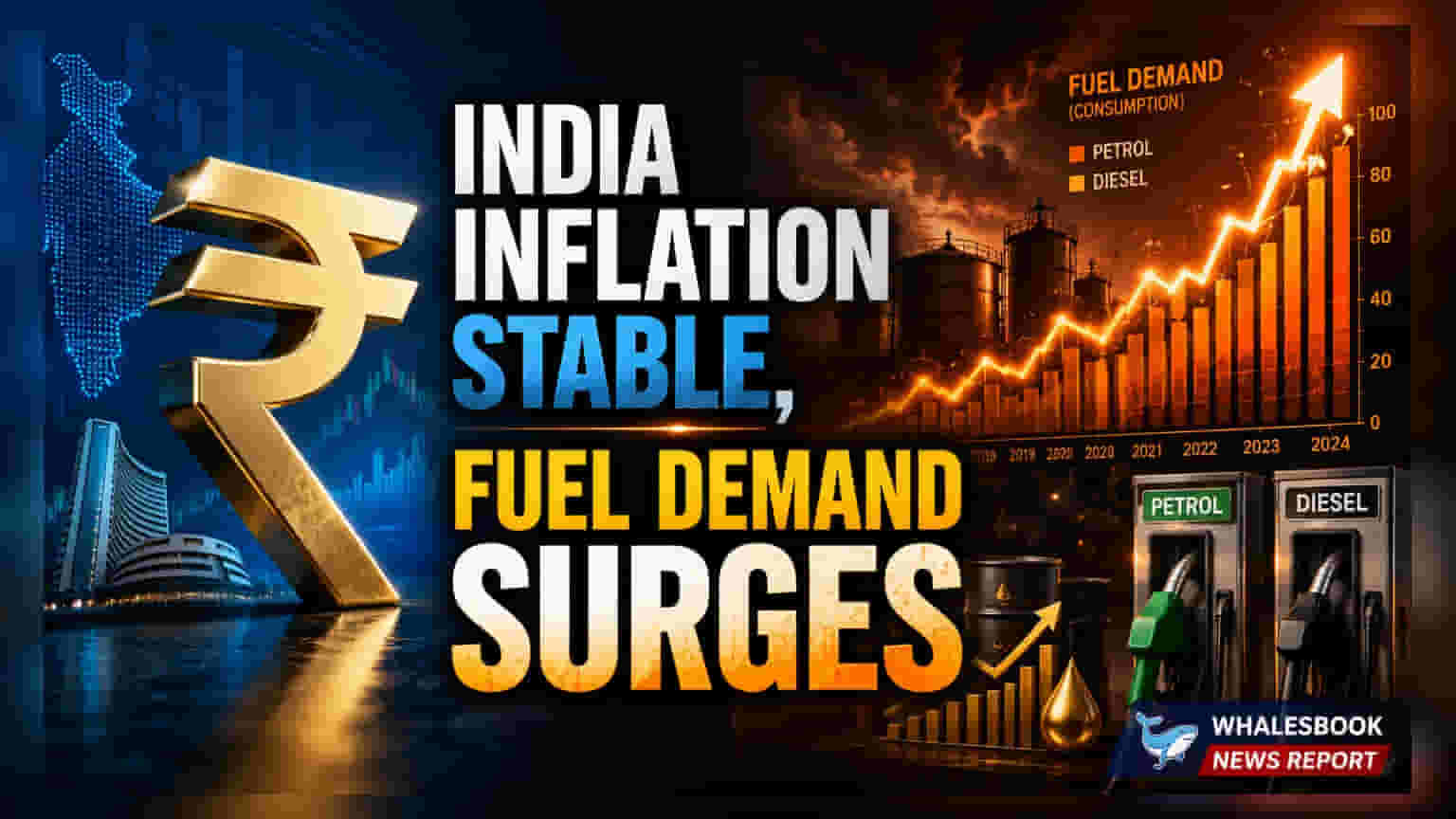
India’s petrol demand grew by 7% and diesel by 5.5% year-on-year in June, signaling strong energy consumption. Meanwhile, the Reserve Bank of India maintains its inflation target, with potential for a long-term decline.
What Happened
India reported a healthy increase in fuel consumption for June 2026. According to preliminary data from the Petroleum Planning and Analysis Cell (PPAC), petrol demand rose by 7% compared to the same month last year, while diesel demand increased by 5.5%. Simultaneously, the Reserve Bank of India (RBI) has kept its inflation target steady. RBI Governor Sanjay Malhotra recently suggested that there is potential for a long-term reduction in inflation, provided it remains well-anchored within the current framework.
Why Fuel Demand Matters
Fuel consumption, particularly diesel and petrol, serves as a primary indicator of economic activity in India. Diesel is the backbone of the transport and logistics sector, meaning a 5.5% rise often reflects higher movement of goods and industrial activity. Similarly, rising petrol demand points to steady personal mobility and consumer spending. For investors, these figures provide a glimpse into the health of the oil marketing sector and the broader economy, as sustained demand supports the revenue models of major oil companies.
The Inflation and Policy Link
The stability of the inflation target is a crucial factor for the stock market. When inflation remains anchored, it provides the central bank with more flexibility regarding interest rate policies. High inflation often forces the RBI to keep interest rates elevated, which increases borrowing costs for companies and can pressure profit margins. A potential long-term reduction in inflation, as indicated by the RBI Governor, would be a supportive factor for corporate India, as it could eventually lead to a more favorable environment for credit growth and capital spending.
India-Japan Energy Cooperation
Beyond domestic demand, India is actively working to improve its long-term energy security. India and Japan have recently agreed to strengthen energy ties, with a specific focus on developing a strategic petroleum reserve ecosystem. This collaboration is intended to hedge against global supply shocks and price volatility. For investors in the energy sector, this move indicates a structural attempt to mitigate risks associated with India's high import dependency for crude oil.
What Investors Should Track
Investors may look for upcoming monthly data from the PPAC to see if this demand trend continues through the second quarter of the fiscal year. Furthermore, the focus will remain on the Monetary Policy Committee meetings, where any shift in the RBI's stance on interest rates will be the next major trigger for sectors sensitive to borrowing costs, such as real estate, automobiles, and banking.