

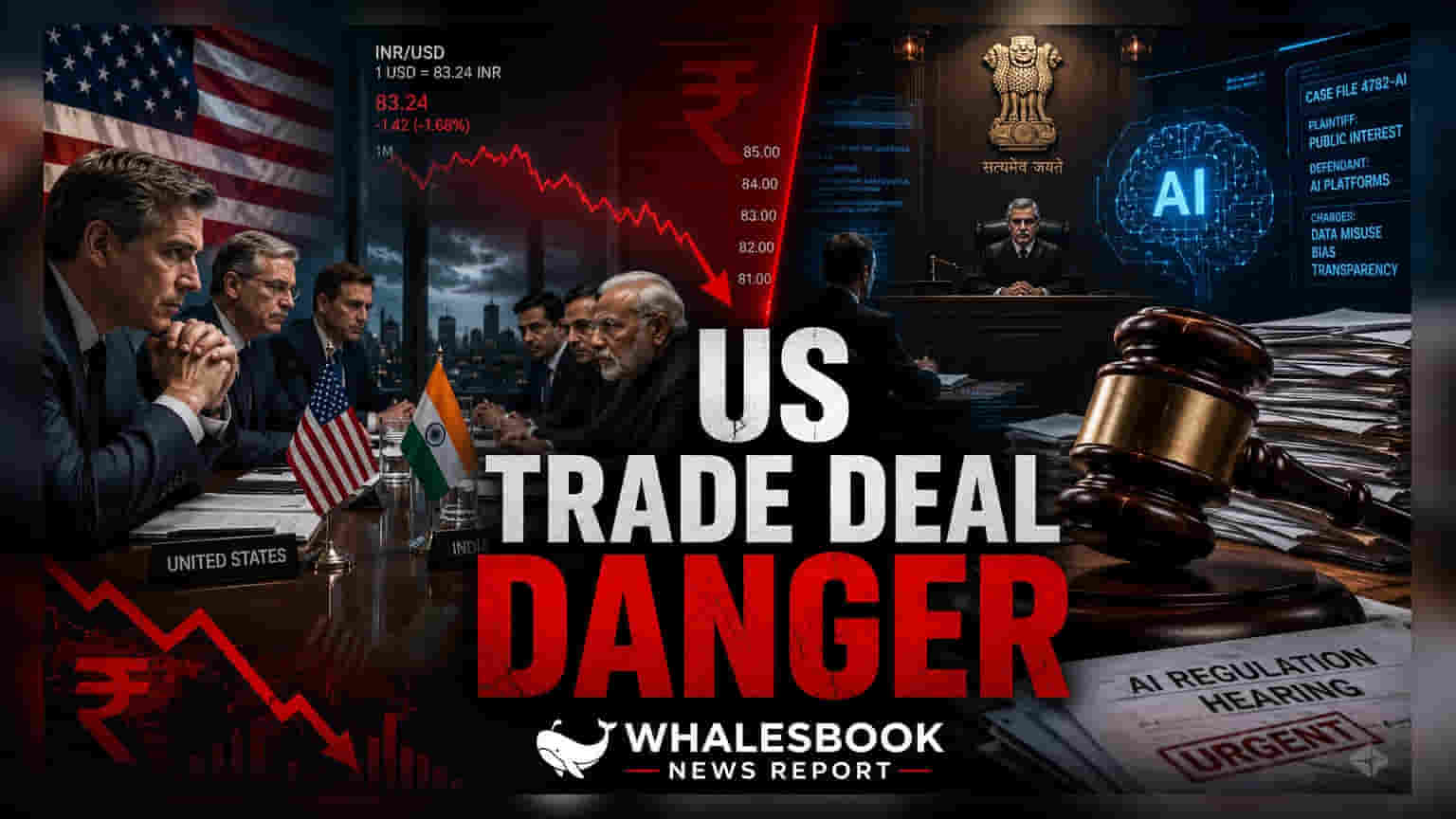
India is under pressure from the US to finalize a trade agreement, raising concerns over potential future tariffs and agricultural imports. Experts urge caution, suggesting that any deal must protect local farmers and industries from unfair competition. Investors are watching how this develops, as trade policy shifts could impact domestic market stability.
What Happened
India is currently navigating complex trade negotiations with the United States. Reports indicate that Washington is pushing for a trade deal that includes significant access to Indian markets. However, critics and trade experts are advising the government to exercise extreme caution. The primary concern is that the proposed framework may not provide enough protection against future US tariffs or guarantee equitable trade terms for Indian businesses.
Why This Matters for the Domestic Economy
The core issue for India involves the potential entry of cheaper US agricultural products into the local market. If India agrees to lower trade barriers, it could negatively affect the pricing power and profitability of local farmers and domestic agro-based industries. For investors, this creates uncertainty in sectors that rely on protective tariffs to compete with international imports. Any significant shift in trade policy could influence the performance of stocks within the domestic agriculture, retail, and manufacturing sectors.
The Tariff and Currency Risk
A major point of contention is the lack of guaranteed protection against future tariff hikes. Even if an agreement is signed, Indian stakeholders worry that the US could still impose new duties, undermining the stability of the deal. Beyond tariffs, there are broader concerns regarding currency volatility. India’s economic strategy remains focused on balancing global trade integration while maintaining enough domestic leverage to protect its own industries from sudden policy shifts by major trading partners.
Judicial Warnings on AI in Legal Systems
In a separate development that highlights the intersection of technology and regulation, the Indian Supreme Court has raised concerns about the use of Artificial Intelligence to generate fake legal precedents. While this is a regulatory and legal matter, it underscores the growing pressure to manage risks associated with new technologies. For corporations, this signals that regulators are becoming more vigilant about AI-driven processes, which may lead to stricter compliance requirements for companies using automation in legal, financial, or administrative roles.
What Investors Should Track
The most important monitorable for investors is the government's official response to the trade deal proposals. Market participants will watch for any signs that India is protecting its agricultural and manufacturing sectors from unfavorable import conditions. Additionally, any updates regarding tariff structures or trade quotas will be crucial for assessing the long-term outlook for sectors sensitive to international trade. Tracking management commentary from companies with high exposure to imports or exports will also provide clarity on how these shifting policies may affect future profit margins.