 Whalesbook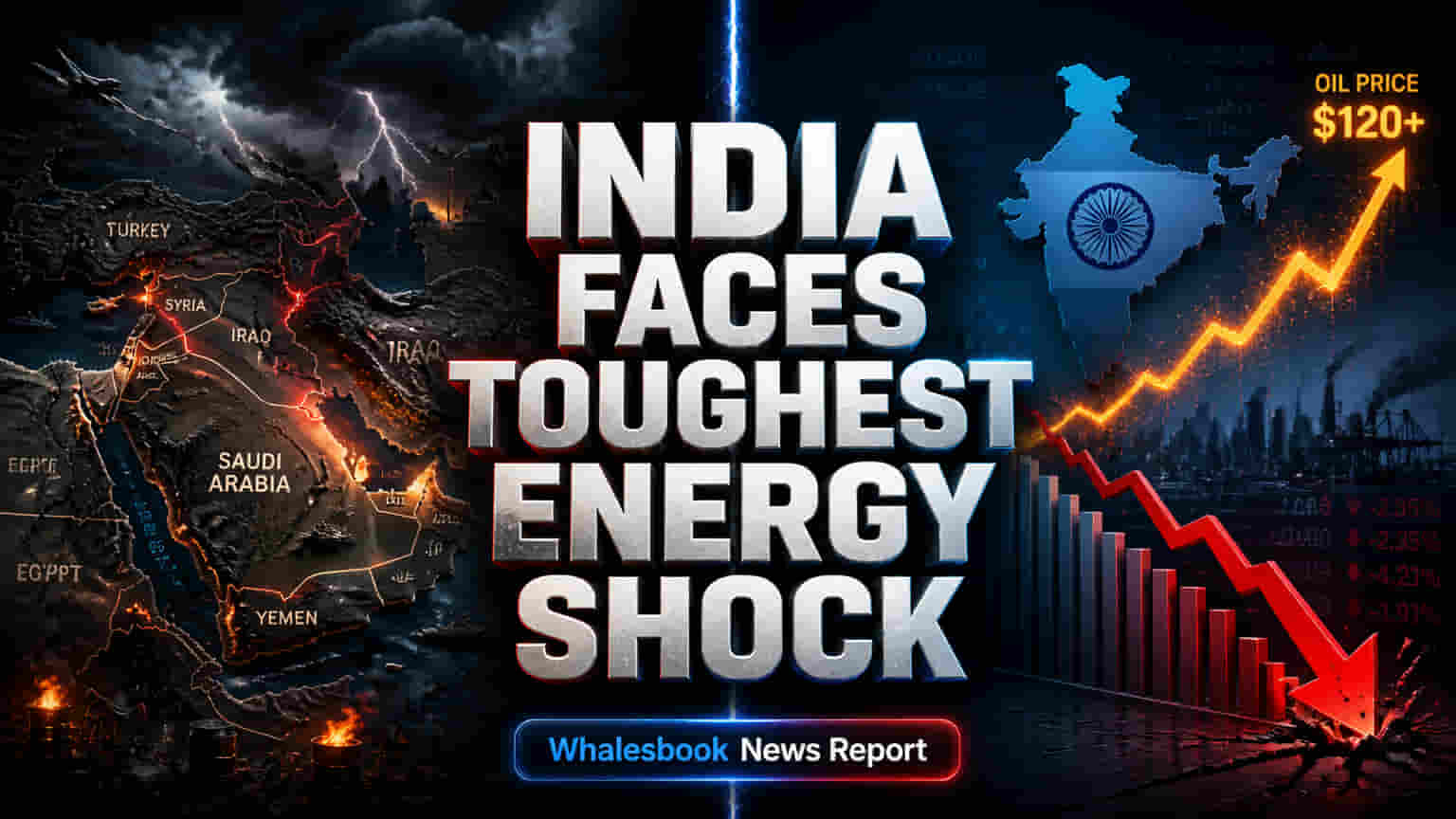


Energy Shock Spurs India's Strategic Shift
India's economy is navigating a turbulent period, with the ongoing West Asia conflict triggering a major energy shock. This crisis is increasing pressure on inflation and fiscal stability. More importantly, it's a key reason for India to speed up its strategic changes, focusing on building industrial strength by strengthening supply chains for critical minerals and preparing for the transformative impact of Artificial Intelligence on the nation's workforce.
Oil Prices Surge, Inflation and Deficit Concerns Grow
The West Asia conflict has drastically altered global energy markets. Brent crude prices climbed past $108 per barrel in March 2026, briefly hitting $120 – sharply higher than before. This price surge directly fuels inflation, with CPI inflation expected to average around 5.1% for FY2026-27, potentially moderating from earlier peaks. The fiscal deficit target for FY2026-27 is set at 4.3% of GDP, a planned reduction from 4.4% in revised estimates for FY2025-26, showing a commitment to careful spending despite external pressures. However, the widening current account deficit (CAD) remains an ongoing challenge, projected between 1.8% and 2.1% of GDP for FY2026-27, a noticeable increase from the prior year. This widening is made worse by disrupted trade flows through critical routes like the Strait of Hormuz, affecting both energy imports and overall trade balances.
Securing Critical Minerals, Navigating AI's Job Impact
India's import dependency isn't limited to fossil fuels. The country relies heavily on minerals like lithium, cobalt, and nickel, which are vital for its clean energy transition and manufacturing goals. With 100% import reliance for some key minerals, India is exploring strategies such as a six-month strategic reserve and sourcing from multiple countries to manage supply risks. Meanwhile, AI is poised to significantly change the job market. Projections suggest AI could create around 170 million new jobs by 2030, but also risk displacing 92 million traditional roles, particularly those involving routine tasks. India's IT sector is already seeing layoffs and a shift towards "AI-native" companies, highlighting the need for upskilling and adapting to "AI-plus" roles. India's economic outlook remains positive, with GDP growth forecasts around 6.5-7% for FY2026-27, but it is complicated by these evolving dynamics and global uncertainty. Despite these challenges, India's fiscal discipline, with a debt-to-GDP ratio at 19.1% and substantial foreign exchange reserves, offers strong protection against outside shocks.
Risks to Inflation, Supply Chains, and Jobs
The prolonged conflict in West Asia poses significant upside risks to inflation, which could challenge the central bank's management and domestic consumption. Sustained energy price volatility may pressure fiscal targets, requiring difficult choices between supporting growth and reducing the deficit. High import dependence on critical minerals presents an underlying weakness, especially with China dominating processing capacities, creating supply chain risks. Furthermore, the rapid advancement of AI, while promising new jobs, carries the potential for substantial job losses and a widening skills gap. This necessitates continuous adaptation and policy intervention to prevent widening inequality.
Economic Growth Outlook Remains Positive Despite Challenges
India's economic path for FY2026-27 is expected to remain largely robust, supported by strong domestic demand and continued public investment, with GDP growth projected between 6.5% and 7.4%. The government is using its fiscal room, built over a decade of careful spending, to manage the immediate fallout from geopolitical events and invest in capital projects. Policy efforts focus on improving energy security through diversification and strategic reserves, alongside steps to streamline trade and boost domestic manufacturing. Adapting to AI-driven changes in the labor market is becoming a critical part of this strategy for the future, aiming to harness its potential for new job creation while reducing displacement risks.