

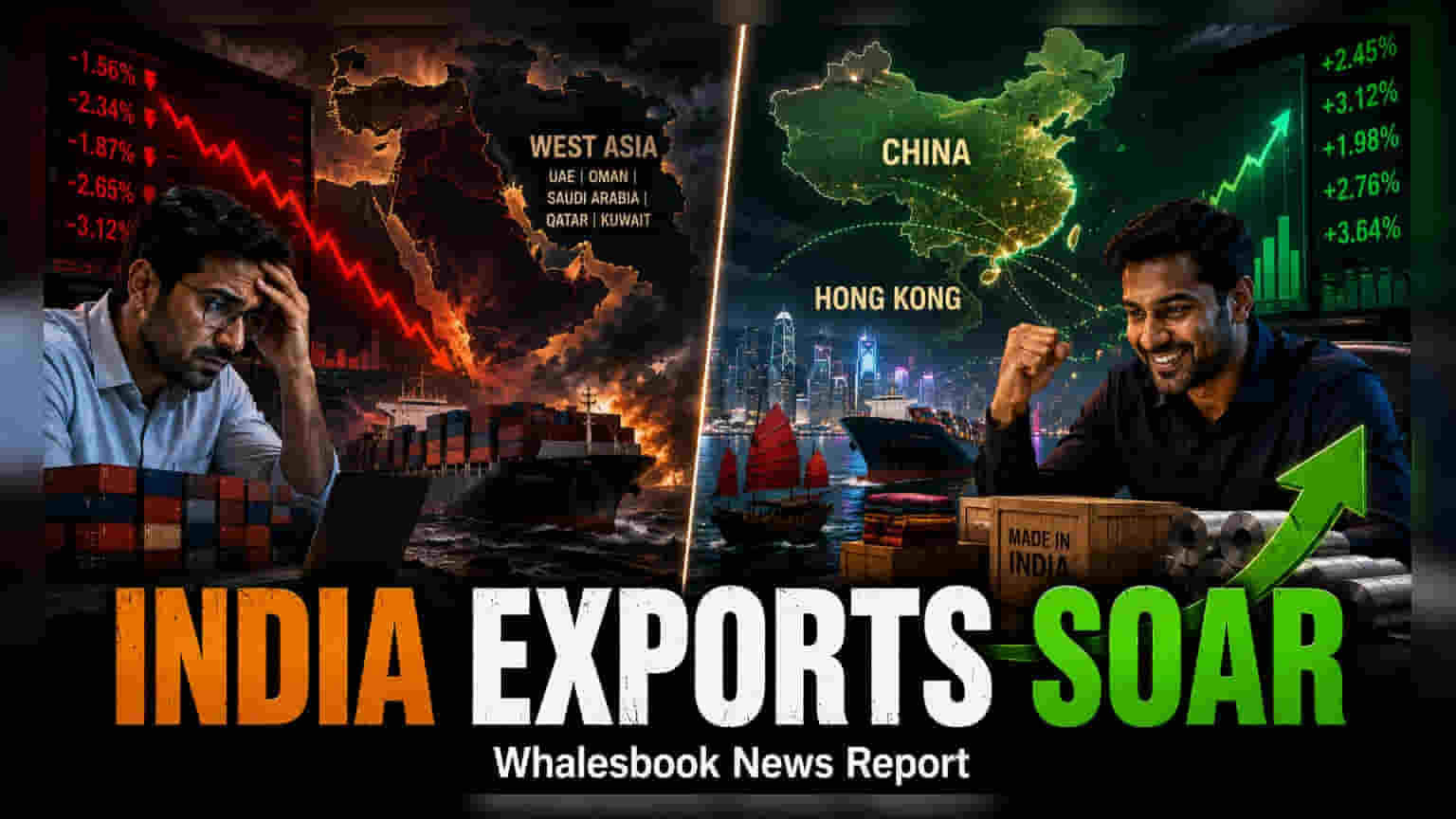
India’s merchandise exports rose 19.6% to $44.2 billion in July 2026. The growth reflects successful market diversification and a recovery in West Asian trade routes, supported by improved operations at regional ports.
India's merchandise exports showed strong momentum in July 2026, reaching $44.2 billion. This represents a 19.6% increase compared to the same month last year. The growth highlights a resilient recovery following earlier volatility in the year, particularly during the March-June period, where export trends were more mixed. The latest performance indicates that the country’s strategy to expand its reach beyond traditional partners is delivering tangible results.
A key driver of this success has been the active diversification of trade destinations. As geopolitical challenges earlier in the year caused disruptions in West Asia, Indian exporters strategically redirected shipments to alternative markets. These include China, Hong Kong, Singapore, and nations across Africa, such as Tanzania and South Africa. By tapping into these growing economies, Indian businesses have managed to balance demand and maintain the flow of goods even when major trade lanes faced pressure.
The trade relationship with West Asia has also shown signs of stabilization. In July 2026, exports to the West Asian region grew by 8.62%, reaching $5.7 billion. This recovery has been aided by operational improvements at key maritime gateways. Cargo movement has become more efficient through ports in Oman, including Duqm, Sohar, and Salalah, as well as UAE-based facilities like Fujairah and Khor Fakkan. These operational adjustments have helped mitigate the shipping delays and logistical hurdles that had hampered trade earlier in the year.
Despite this recovery, several challenges persist that investors and businesses are monitoring. Geopolitical volatility in the region remains a sensitive factor, particularly concerning the Strait of Hormuz, a critical bottleneck for energy and trade flows. Any disruption here could spike freight costs and delay shipments. Furthermore, high global energy prices continue to influence domestic inflation and the country's current account deficit. For smaller enterprises, known as MSMEs, these conditions translate into ongoing pressure on working capital and logistics costs. Additionally, industries heavily reliant on raw material imports from West Asia remain cautious, as any further operational bottlenecks could affect manufacturing output.
The sustainability of this export growth will depend on how effectively global trade routes remain stable and how input costs for manufacturers evolve. The next phase for investors will be to track the trend in freight rates, crude oil prices, and whether the diversification into African and East Asian markets can sustain the current export pace in the coming months.