 Whalesbook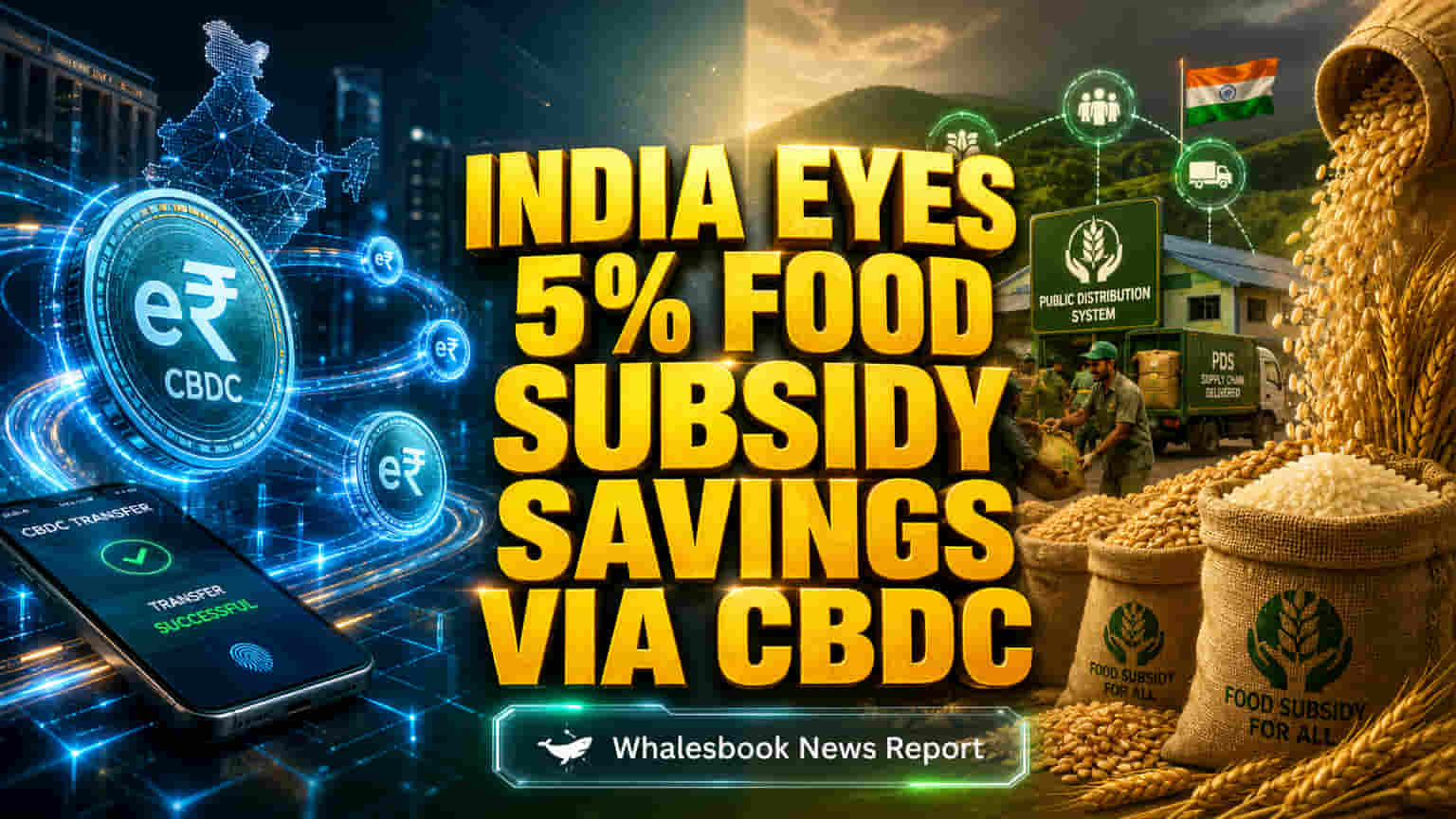


India Expands Digital Rupee Food Subsidies
India is expanding its Central Bank Digital Currency (CBDC) food subsidy program to new areas, moving beyond initial pilot phases. By June, programmable digital tokens will be used in the Public Distribution System (PDS) for Chandigarh, Dadra and Nagar Haveli, and Daman and Diu. This step is seen as an evolution from cash transfers and the traditional way of distributing physical grains. It aims to improve how subsidies are used and make distribution more efficient. The move addresses ongoing problems in the PDS, like stock gaps and unfair entitlements, by using digital currency.
Programmable Tokens Ensure Subsidy Use
The main feature of this reform is that the digital rupee can be programmed. Unlike regular cash transfers (DBT), where money might be spent on other things, these CBDC tokens act like digital coupons. They are specifically for buying approved food items like wheat and rice. This 'purpose-bound' feature means subsidy money is used as intended for food security. Officials estimate that proper use could save 4% to 5% on subsidies, a notable amount for India's large food subsidy program. The digital tokens will be in beneficiaries' digital wallets, giving them more control and creating a clear, traceable transaction history. This is a significant change from the often unclear system of physical distribution.
Balancing Digital and Traditional Welfare
This new CBDC subsidy system is designed as a 'middle path' to balance the risks of direct cash handouts and the traditional physical distribution system. While cash transfers (DBT) deliver funds directly, the money can be spent elsewhere. The physical system has often suffered from losses, shortages, and errors, meaning beneficiaries didn't always get their full share. The CBDC model, supported by the Reserve Bank of India, offers a digital way to get money directly to people while controlling how it's spent, similar to a digital coupon. This fits with the 'Digital India' goal to boost digital tools and government services. Many countries are exploring CBDC use, and India is among the first to use programmable money for social benefits. The system also makes operations smoother for shop dealers, allowing quicker payments and better stock management based on actual customer demand.
Concerns Over CBDC Subsidy Rollout
However, the expansion of CBDC for food subsidies also brings significant risks. A major concern is worsening the digital divide. Although the system accounts for feature phones and those without devices, relying on digital wallets could leave out people who don't have consistent smartphone access or digital skills. This could create a new barrier to receiving essential aid. The built-in control of programmable CBDCs also raises privacy and surveillance concerns. While tracking every transaction offers high oversight, it could also be used for government overreach or to block people from financial services. Building the necessary technical systems for a nationwide CBDC rollout is a huge task. This involves risks of technical failures, cyberattacks, and reliance on a complex, central system. Projected savings of 4-5% are appealing, but reaching them depends on successful rollout and uptake, which has been mixed in other CBDC trials. Past subsidy reforms have faced difficulties, and this digital program may too. The aim to ensure 'every grain, every rupee' is similar to past promises, but proving it works for all kinds of people will be the real test.
Future Steps and Potential Impact
The rollout in Chandigarh and the two Union Territories will serve as an important test for the CBDC food subsidy model. Success here will guide how quickly and widely it expands nationally. If this program proves effective and reaches everyone, it could lead to similar uses of programmable currency for other welfare programs, changing how the government provides services in India. The government's focus on using technology for its social safety net shows a long-term plan for digital governance and financial inclusion, aiming to boost accountability and efficiency in public services.