

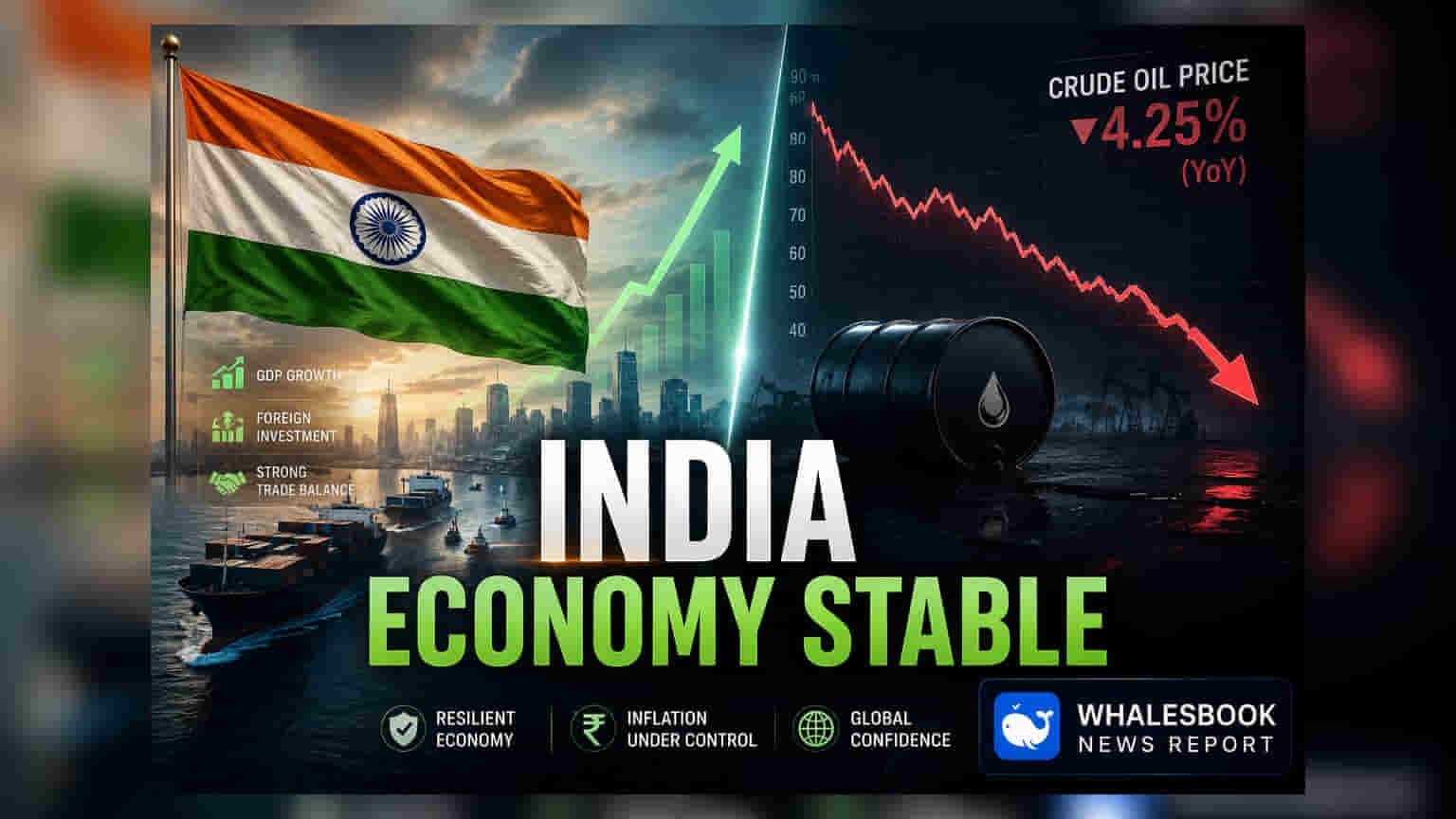
India’s economy shows resilience as crude oil prices soften to $70 per barrel, easing inflation concerns. While high-frequency indicators like GST and PMI remain strong, the primary risk to domestic growth is a weak monsoon that may impact rural demand. Investors should watch for the government’s fiscal deficit management as subsidy costs rise.
The Indian economy has demonstrated stability despite global geopolitical disruptions in West Asia, according to recent analysis from SBI Capital Markets. A significant drop in Brent crude prices to approximately $70 per barrel has provided relief to the global energy market, lowering inflationary pressures that were previously expected to weigh on central banks and consumer spending.
Industrial and Domestic Demand Indicators
Domestic economic activity remains steady, supported by consistent growth in key metrics. Indicators such as UPI transaction volumes, credit growth, electricity demand, and automobile sales show sustained momentum. India’s manufacturing Purchasing Managers' Index (PMI) continues to rank among the highest globally, reflecting strong industrial output. Furthermore, gross GST collections for June showed healthy year-on-year growth, bolstered by import-related tax revenues. Direct tax collections also trended upward, rising 15% year-on-year as of mid-June, indicating stable corporate and personal income tax inflows.
Fiscal and Monsoon Challenges
Despite the positive demand outlook, the government faces fiscal hurdles. The budget has been stretched by excise duty cuts on petroleum products and higher subsidy allocations for urea imports. Exchange data indicates the fiscal deficit reached 9.6% of the full-year target within the first two months of FY27, signaling that spending on infrastructure and subsidies is requiring careful monitoring.
The most significant domestic risk identified is the uneven monsoon season. As of early July 2026, nationwide rainfall levels are below normal, with particular deficits in central and eastern India. This shortfall has delayed crop sowing and may reduce rural purchasing power in the second half of the fiscal year. Any significant hit to agriculture could slow consumption in the FMCG and rural-dependent sectors.
Capital Spending and External Stability
Public capital expenditure remains a core driver of the economy, with the Railways and Defence ministries leading the deployment of funds. This consistent investment is helping to maintain momentum in industrial production. On the external front, the Indian rupee has shown improvement from recent lows, and government bond yields have remained relatively stable. While corporate bond markets showed signs of recovery during June, investors continue to monitor the impact of higher tax refunds on net GST growth and the overall sustainability of state-led capital spending programs as the monsoon progresses.