

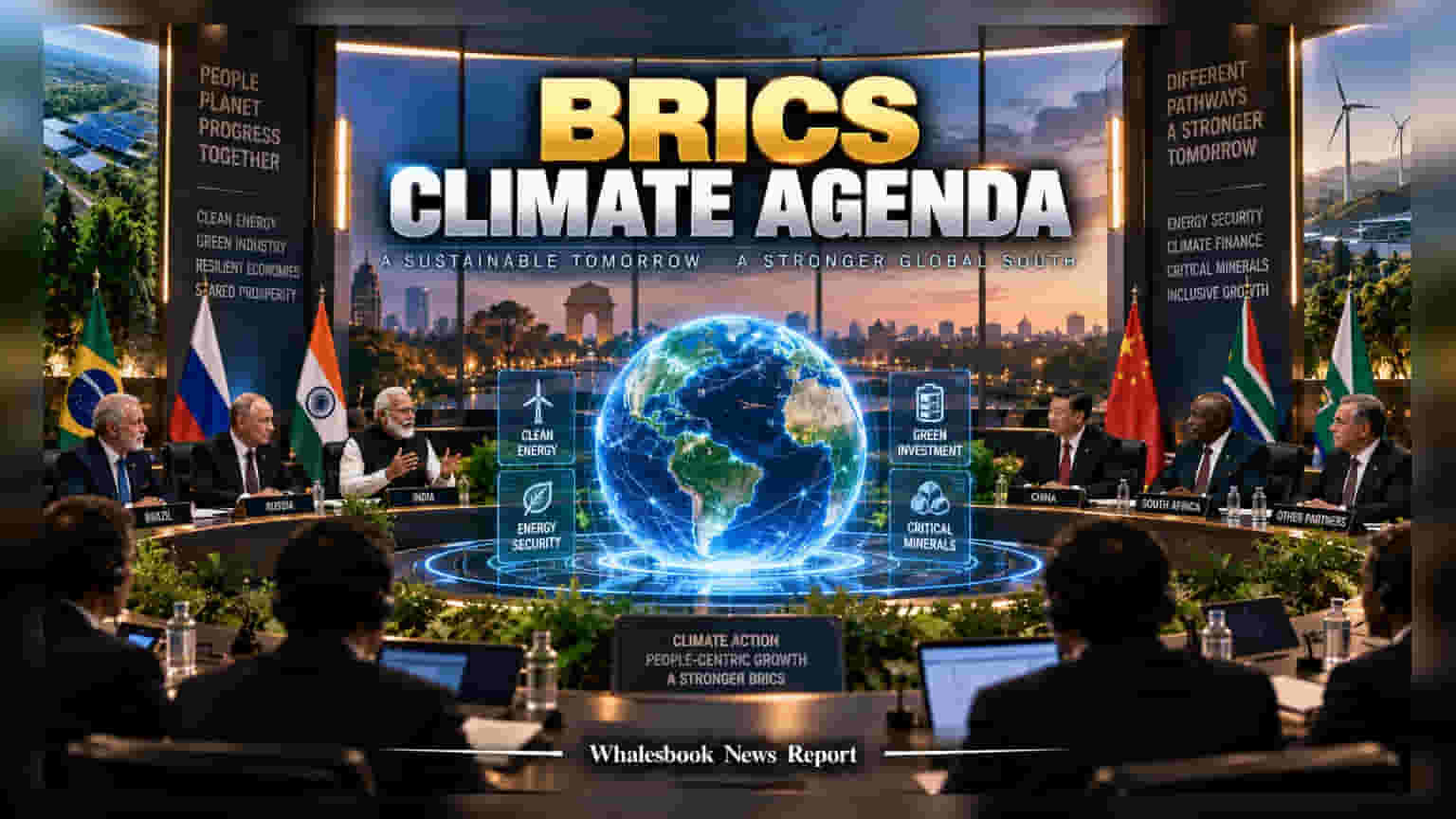
India, as the incoming BRICS chair, is centering its agenda on sustainable development, local critical mineral processing, and affordable green finance. This policy shift prioritizes energy security and economic flexibility for developing nations. The primary focus for the bloc is achieving a USD 1.3 trillion climate finance target by 2035 to support infrastructure growth.
India’s upcoming tenure as the chair of the BRICS bloc marks a significant strategic pivot in how emerging economies approach climate action and industrial development. Rather than adopting a universal standard for decarbonization, the focus is shifting toward an approach that respects national development timelines and energy security needs. For India and its BRICS partners, the priority is to balance industrial expansion with environmental goals without stifling economic growth.
Prioritizing Flexibility and Energy Security
The current policy stance rejects the idea of a one-size-fits-all energy transition. Officials within the bloc are advocating for individual development pathways that prioritize smart grids, hydrogen technology, and robust energy storage. This flexibility is intended to allow member nations to transition at a pace that prevents sudden energy shortages or industrial disruption. For policymakers and observers, this means that energy regulations across member nations may increasingly favor local industrial capabilities rather than rigid global standards that often favor developed economies.
Local Processing of Critical Minerals
Resource sovereignty has become a major theme in the bloc’s recent discussions. There is a coordinated push to change the economic model from merely exporting raw commodities to establishing domestic processing and refining facilities. By keeping the value-addition process within the Global South, nations aim to secure more stable supply chains for the materials required in modern green technologies. This shift is designed to protect member economies from the price volatility and supply chain vulnerabilities often seen in the global raw material market. India’s leadership is emphasizing that critical resources should not be used as leverage in geopolitical disputes, calling instead for networks that empower local manufacturing and economic independence.
The Challenge of Climate Finance
The most significant hurdle facing this strategy remains the availability of affordable capital. While the bloc has established a target of USD 1.3 trillion for climate-related funding by 2035, the actual implementation depends heavily on securing low-cost, concessional financing. Without access to affordable capital, the cost of building large-scale renewable infrastructure remains a barrier for many developing countries. The New Development Bank is expected to play a central role in this architecture, moving beyond symbolic support toward providing the necessary liquidity for tangible project execution.
Investors and policymakers will be monitoring upcoming summits for signs that these diplomatic agreements are maturing into operational funding mechanisms. The success of this agenda will depend on the bloc's ability to create transparent, cost-effective frameworks that can attract the necessary investment without imposing unsustainable debt burdens on member nations.