 Whalesbook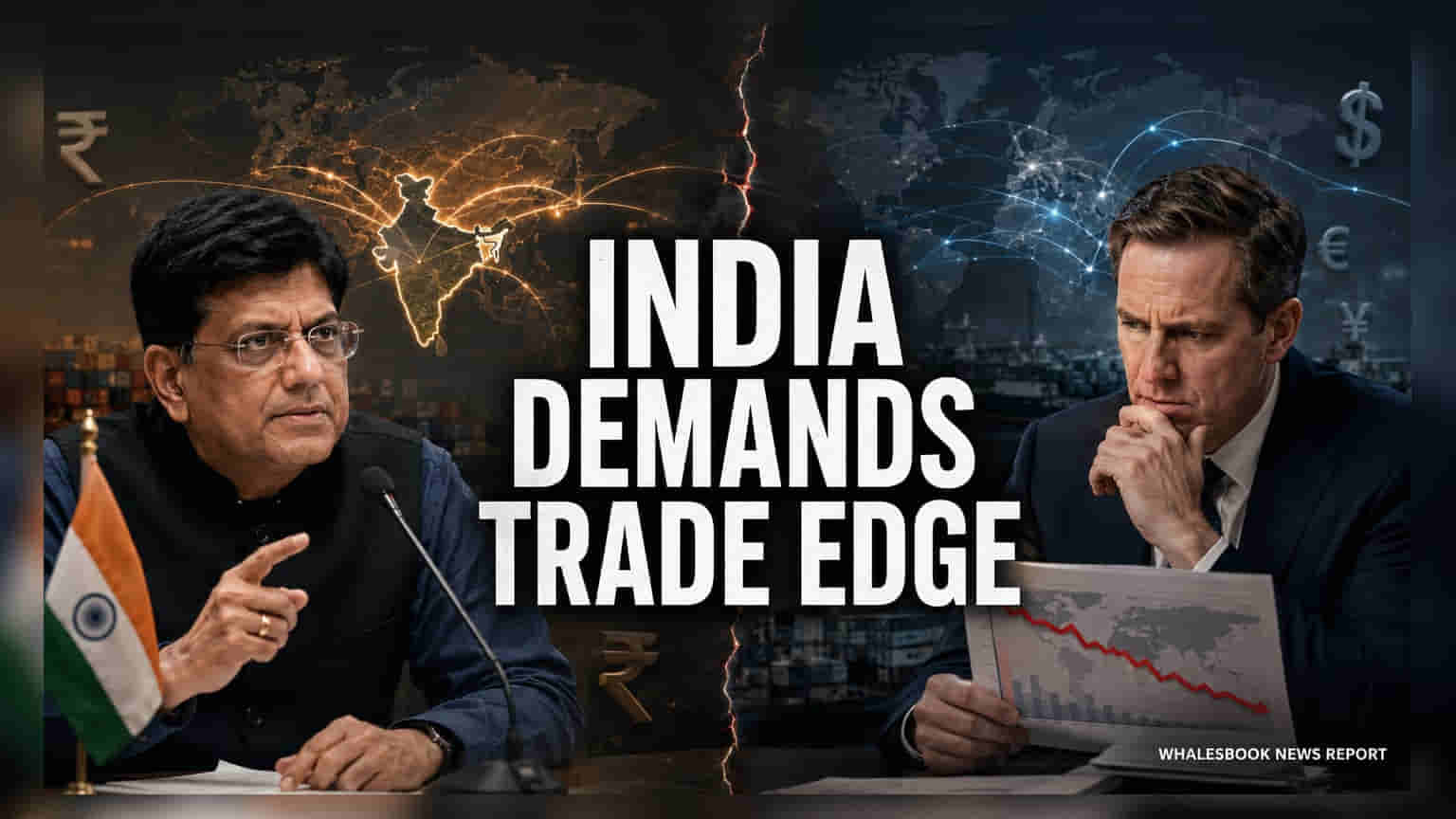


The Geopolitical Bargaining Chip
The current negotiation deadlock stems from New Delhi’s insistence on institutionalizing a tariff advantage that transcends standard bilateral terms. By demanding an 18% cap, India is effectively attempting to preemptively neutralize the volatility introduced by recent US global tariff shifts. This push for structural differentiation is designed to isolate the Indian manufacturing sector from the supply chain migration that has benefitted Southeast Asian nations. For New Delhi, the deal is less about raw trade volume and more about securing a predictable cost floor that competitors cannot access.
The Impact of Regulatory Friction
The negotiations have reached a bottleneck due to the intersection of domestic US jurisprudence and international trade policy. The invalidation of previous reciprocal tariff frameworks by the Supreme Court forced the American delegation into a defensive posture, manifesting as the broad 10% global tariff and the looming specter of Section 301 penalties. While Commerce Minister Piyush Goyal suggests the framework is nearly complete, the technical reality involves navigating complex, non-negotiable US legal mandates that often conflict with India’s demands for specific exemptions. The arrival of the US team, led by Brendan Lynch, signals that while political will exists to finalize the agreement, the divergence on protectionist mechanisms remains wide.
The Forensic Bear Case
Optimism regarding a rapid resolution ignores significant structural risks to the Indian economy. Should India fail to secure a Section 301 exemption, the resulting tariff exposure could jeopardize the competitiveness of its textile and engineering exports. Furthermore, the persistent reliance on Russian energy imports remains a point of friction that could trigger secondary sanctions or retaliatory US trade barriers. Analysts note that unlike Vietnam, which has successfully integrated into various high-tech global supply chains, India’s export profile remains vulnerable to sudden shifts in American protectionist sentiment. If the US persists with a rigid legal approach, any agreement that does not grant India permanent immunity from these investigations may be viewed by domestic stakeholders as a hollow victory, potentially stalling industrial capital expenditure.
Future Outlook
Strategic success hinges entirely on whether USTR Jamieson Greer can reconcile the demand for preferential treatment with the US administration's mandate for stricter enforcement of existing trade laws. If the two nations reach a compromise—specifically a formal waiver from punitive investigations—expect a surge in investor confidence regarding Indian manufacturing stocks. However, if the current impasse continues, the resulting uncertainty will likely force firms to delay long-term capacity expansion in favor of maintaining liquidity to absorb potential tariff hikes.